16 minutes ago
U.S., Canada, France share research on missing submarine
Periskopi(3 years ago)
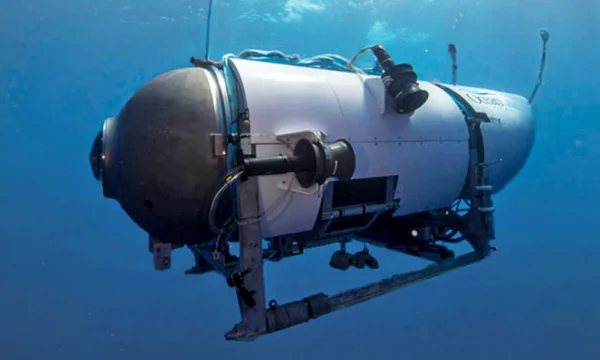
(3 years ago)A multinational search-saving team is continuing search by sea and air for the missing submarine, Titan. The submarine of five tourists on board left on Sunday towards the ruins of Titanic, but lost contact an hour and 45 minutes after leaving. Rescue teams are in competition with the time when the submarine is believed to have [...]
The submarine of five tourists on board left on Sunday towards the ruins of Titanic, but lost contact an hour and 45 minutes after leaving. Rescue teams are in competition with the time after the submarine is believed to have only a few hours of oxygen supplies left.
The Titan submarine, operated by the headquarters company in the United States, OceanGate, was headed toward the sunken Titanic on Sunday at 8: 00 a.m. local time. The submarine lost contact with the supporting ship less than two hours after leaving for the Titanic in the Atlantic Ocean.
Titan launched the 96-hour expedition of oxygen supplies, said the Oceangate company, meaning supplies can be spent Thursday morning. But experts said how long oxygen supplies can last depends on some factors, such as if the submarine still has electricity and how calm passengers stay aboard it.
US Coast Guard said Wednesday that Canadian planes have heard underwater noises.
The search-saving teams have released several research devices in the area where noises have been detected, but officials have warned that detected noises may not have come from the Titan submarine.
“When you're in the middle of the search-saving teams, you always have hope”, said Coast Guard captain Jamie Frederick, during a news conference Wednesday.
“As far as noises are concerned, we don't know what exactly they are”.
Frederick added that the analysis of the data received from sonar buoys “is unclear”.
Parts of the sinking Titanic are 2,810 feet [3,810 m] deep in the sea, over 40 miles [640 km] south of Newfland, Canada.
Passengers in Titan had paid $250,000 each for the expedition. / REL/