17 minutes ago
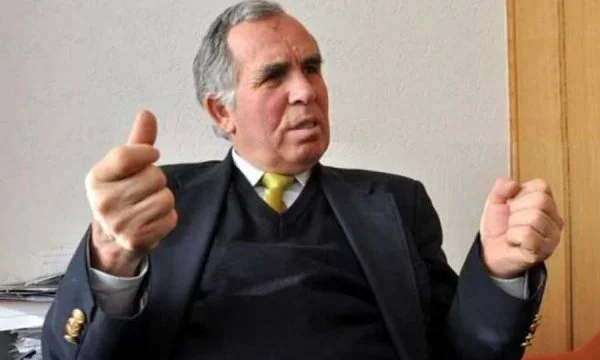
Baraliu: Pressure on Major Kosovo, Serbia petled
Periskopi(3 years ago)
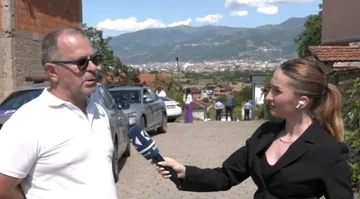
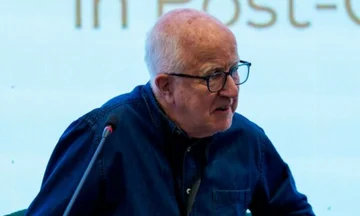
(3 years ago)The international factor's demand for new elections in the country's four municipalities north is being viewed as spontaneous and well understood by university professor and former Election Election Commission Chairman Mazum Baraliu. The country's president, Vjosa Osmani, held a meeting with Serbia's president, Aleksandar Vuciq, with [...]
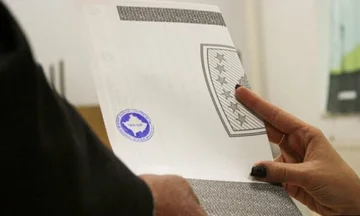
The country's president, Vjosa Osmani, yesterday in Chisinau, Moldova, held a meeting with Serbia's president, Aleksandar Vuciq, at the request of French President Emmanuel Macron and German Chancellor Olaf Scholz, where EU High Representative Josep Borrell was present. The latter after this meeting has disclosed three requirements that have been submitted to Kosovo for the immediate extension of the situation in the country's north: New local elections in the north immediately; Security of the participation of Kosovo Serbs and the beginning of work on establishing the Association of Serb-run municipalities, within the EU facilitated dialogue.
And those demands are viewed by Professor Baraliu as a well-involved effort by the international community to reduce tensions, but spontaneous and well-informed by the deployment centres in Brussels and Washington.
From such spontaneous, uncontaminated demands, I don't think much can be expected. In Macron and Scholz's proposal, we have a decoupling with the demands of American diplomacy on the issue in the north of”, Baraliu stressed in RTK.
He misappreciated international policy against Belgrade, while saying we only have <x0-political attractive to Vuchiqi” but not also” punishment”. In fact, it has said that even though Serbia has been the cause of the last four wars in the Balkans, it continues to be spoiled and unprecedented by Europe.
“The cause of the problem is Serbia. It is causing these problems and this identification has not been made by the international community”, Baraliu added.
He has said the country's president and prime minister appear quietly to have accepted holding new elections in four municipalities in the country's north, but according to him this process is problematic.
The first “Penge is the dignity of the state and those mayors there, because they are elected democraticly. They have legitimacy, not great, but they have legality, so those people can't easily be manipulated by anyone and probably not manipulated. The second obstacle is that without their resignation we can have elections there. If Serbs want to come out, they have the possibility that 20 per cent of them -- who have the right to vote from that part of the country -- will be declared by a petition and address the mayor of each municipality, but this is hardly happening. But it has to happen by law, and if that happens, the mayor accepts that list as petition for extraordinary new elections sends to the CEC and she makes a decision and then is obliged to announce the president, who is then in charge of announcing the new elections. This procedure is a little complicated, but our laws allow for holding elections. This promise appears to have been highlighted by the president yesterday” by Baraliu.
He has said he cannot be asked by the Kosovo government that Serbs who are manipulated, blackmailed are in every way afraid of Belgrade every day to ensure their election appearance.
He has praised this pressure by internationals as unfair and unprecedented, until he has requested different EU policy approaches to Kosovo and the Balkan region in general.
The EU's wrong policy over all these years towards Kosovo and the Balkans, but also towards Ukraine, is one to be changed. Europe has its own problems. Let Europe be unified, let it be unique and cohesive in domestic politics and act directly in the interest of the peoples of Europe and the Balkans in this case. Europe is not achieving this, and is coming and putting pressure and blackmail on a young, fragile state”, Baraliu is now expressed.
He expects the new elections in the north will be imposed by the international factor, but has said it loses state dignity.