13 minutes ago
The audience confirms it: KEK traded more expensive energy than bid
Periskopi(3 years ago)
(3 years ago)Kosovo Energy Corporation- KEK last year for the same amount of purchased electricity has paid higher costs compared to what would be paid if initial electricity sales bids were accepted. National Audit Office - KEK has broken the rules of trading [...]
Kosovo Energy Corporation- KEK last year for the same amount of purchased electricity has paid higher costs compared to what would be paid if initial electricity sales bids were accepted. National Audit Office - KEK has broken the rules for electricity trading, writes Periscope.
According to the ZRRE's Procedure for Electricity Trade, among other things, the selective criterion for short-term energy purchase is the most favourable economic cost of the offer, while the selective criterion for short-term electricity sales is the highest price of the bid to meet all tender requirements. Further, the law specifys that in cases when no valid offer for short-term energy purchase or sale has been accepted, the bidding process will be repeated.
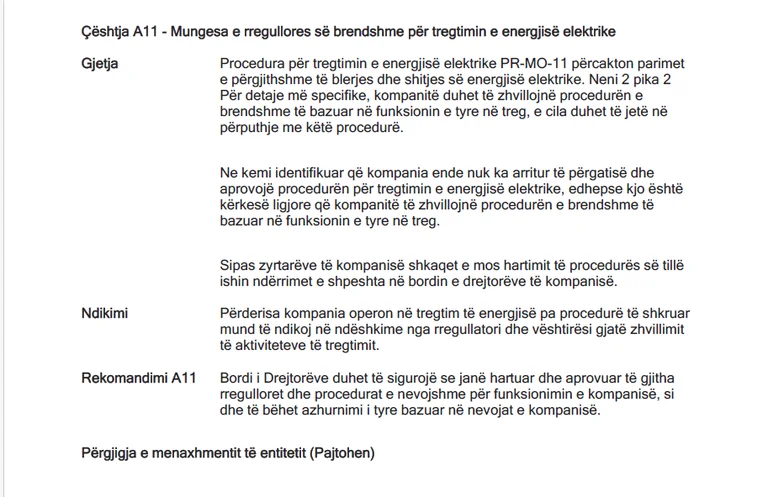
According to the audience, KEK aimed at achieving that the most favourable price had repeated auctions and in cases where bids were valid and why procedures by the Energy Regulatory Office- Z THREE, in such cases it requires that auctions not be repeated. The audience has found that as a result of repeat auctions, two cases have been identified, with KEK contracting higher prices than prices at initial auctions. In two other cases, contractions were lower than initial prices from initial auctions.
In the annual KEK Financial Mirrors Report, the audience wrote that this occurred because the corporation had estimated that auction prices were not favourable.
“As a result the company for the same amount of purchased energy has paid higher costs compared to what would be paid if initial bids” were accepted, the report said.
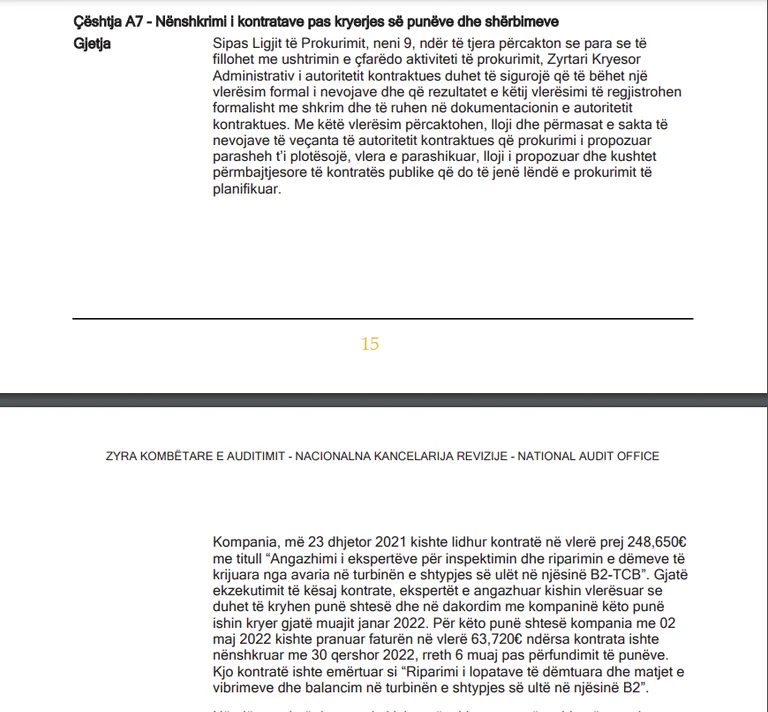
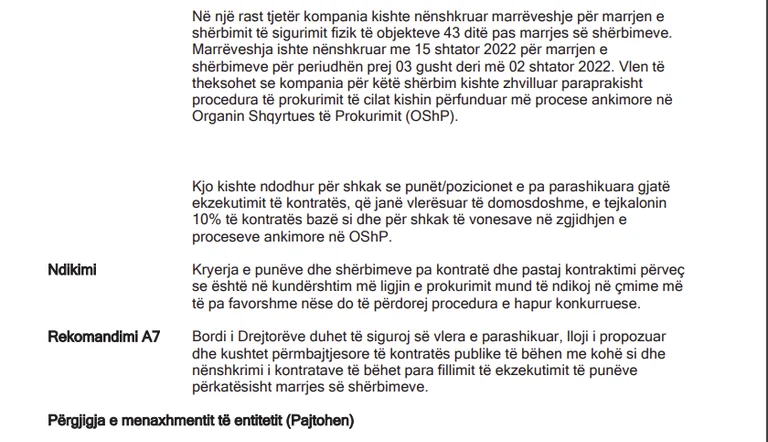
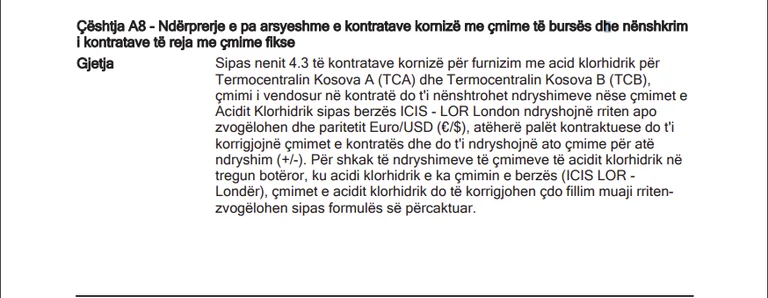
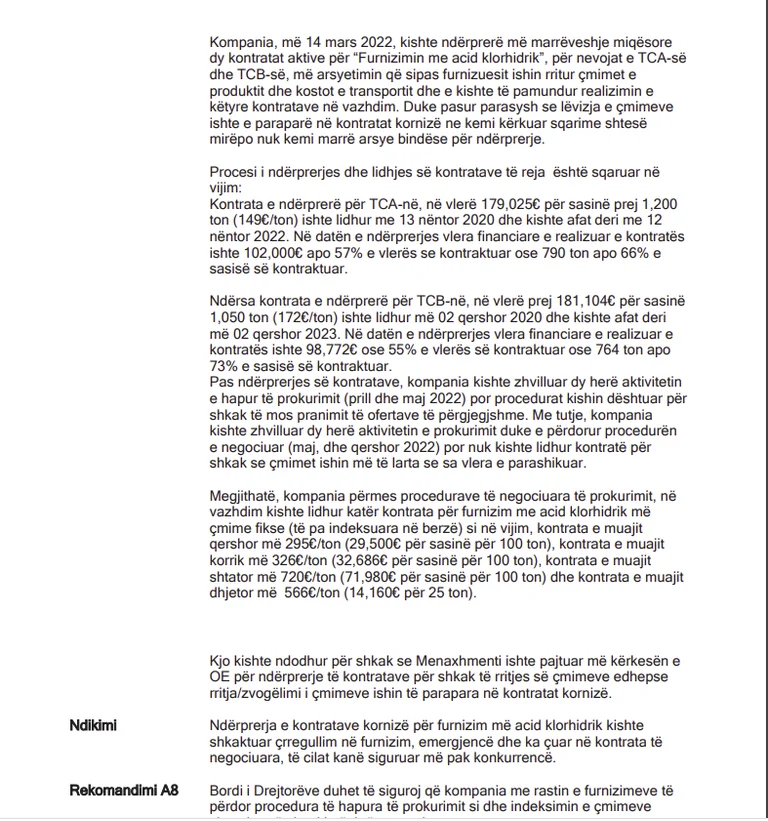
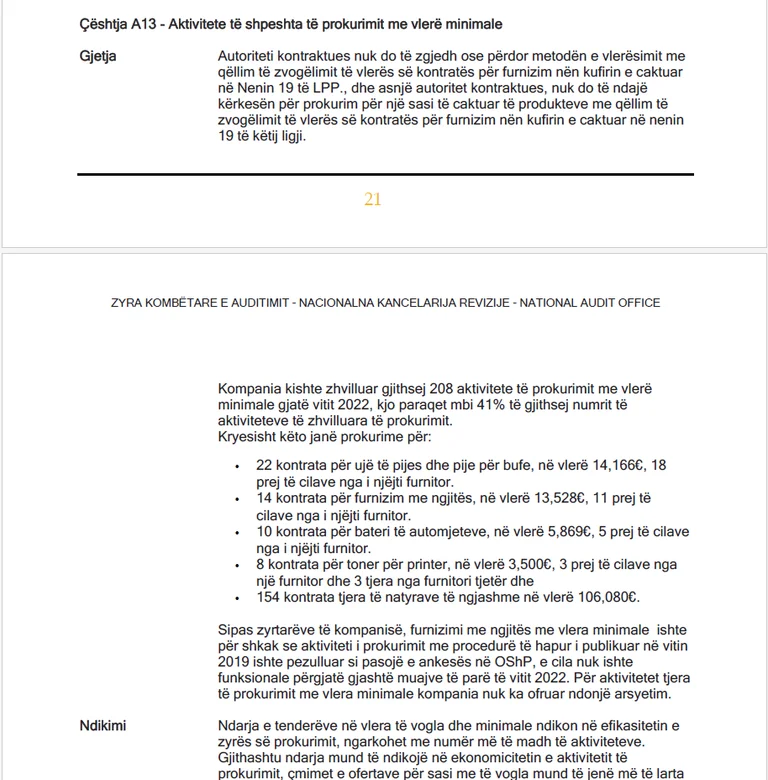
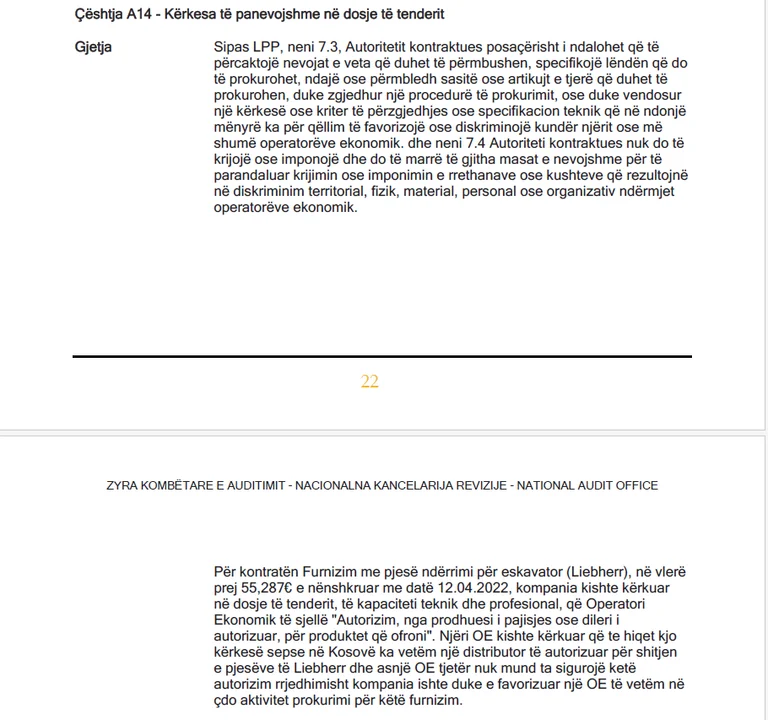
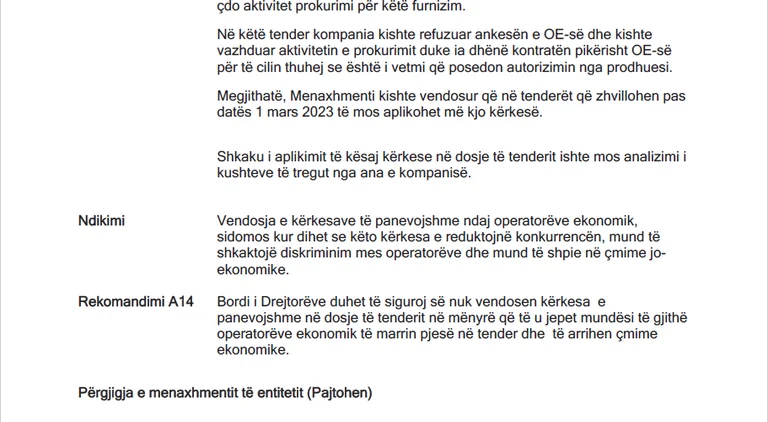
The audience has found a series of other violations of the Corporation's contracts through procurement procedures; as unreasonable disruptions of stock prices and the signing of new contracts with fixed prices, which then caused supply disorder, and emergency taking place in negotiating contracts, which have provided less emergency. The audience has also found unnecessary demands on the tender file, undermining free competition, signing contracts after performing jobs, etc..
We remember that KEK chief chief Nxhim Krasniqi already takes place in custody under suspicion of colliers with tender. /Periscopi/