3 minutes ago
1500 people are recognized as the victim of sexual violence, Rushiti: The deadline for application not to be limited
Periskopi(3 years ago)
(3 years ago)The Kosovar Centre for the rehabilitation of Torture Survivors (QKRMT) has asked state institutions not to limit the deadline for verifying the status of victims of sexual violence. This because, according to them, the process of making the decision to become recognised by status is quite difficult and takes time for survivors of violence. [...]
This because, according to them, the process of making the decision to become recognised by status is quite difficult and takes time for survivors of violence.
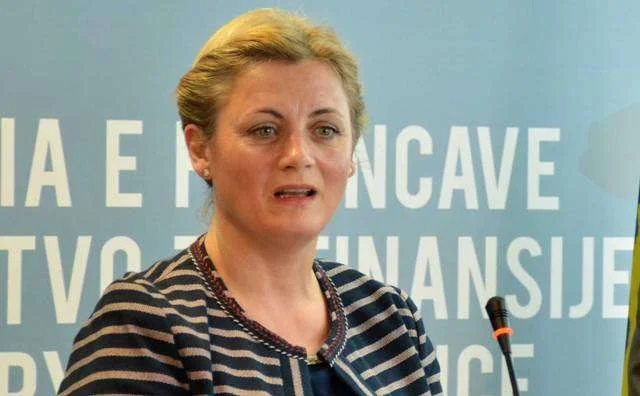
Feride Rushiti, director of the CKRMT, has said that given that victims of sexual violence are still stigmatized and prejudgmented, it is important both with international conventions and the experiences created in Kosovo that the deadline is not limited.
Rushiti added that so far in the Commission around 2,000 people have applied, where 1,500 of them, including men and women, have gained status. But according to her, the 230-euro pension they receive is only a symbolic one.
The number of those who applied to the Commission, I think, is about 2 000, while about 500 of them here have also gained the status of survivors of sexual violence, receiving a personal pension worth 230 euros, worth which is nothing but a symbolic to recognize the pain and suffering that have been experienced during the period of war”, Rushiti said.
War crimes did not preparanet, nor did the right to war crimes have to be long-term. Crime, which still in our society stigmatized, is prejudged cannot be spoken in the family, so it is very important also on international conventions and experiences created in Kosovo so that this deadline is not limited. Because survivors of the sex violence of war have their own difficulties, they are painful processes until they make the decision to go and recognise you as status. Therefore, we as nongovernmental organisations along with the parliamentary human rights group have requested and addressed our needs so that the timetable is not limited, the right to administrative reparation, as we have called it, not to be extended to the two-year period”, she said.
She said it is important for these victims to be conscious of society and family that they have the most likely to make the decision to begin the process of recognition of status.
The first “is important to send this encouraging message to society as well as to their families, if society and institutions are extended and the legislation is timed, it automatically sends the positive message to family members and survivors. The second one needs to be worked at the level of community awareness and family to increase the number of those who trust with the shaku to institutions. The third one you need, it's a difficult process, you need these women in ambush many times, it's family circumstances that condition them, wives, children, circumstances, so it's a lot of factors that can afford to go for a certain time. For this reason we have seen where deadlines are not limited so as to make you cheaper and more likely a greater number of women and men who have experienced this crime”, she said.
QKMT Director stressed that women and men who have experienced sexual violence during the war face numerous challenges ranging from the aspect of mental and physical health, the aspect of social integration to the aspect of economic integration.
“Their challenges are from the aspect of mental and physical health, from the aspect of social integration, from the aspect of economic integration. Let's not forget that this crime for most women and men who have experienced it has wiped out their dreams of life. Most of them have never made it out of their lives until after a normal life. Therefore, challenges continue in the family, challenges continue in society, in integration, so I think that our institutions, our iú society, are in debt to offer dignified treatment and not restrict this right from”, she said. /EO