16 minutes ago
Scholz: EU to keep promises, continue normalisation of Kosovo- Serbia
Periskopi(3 years ago)
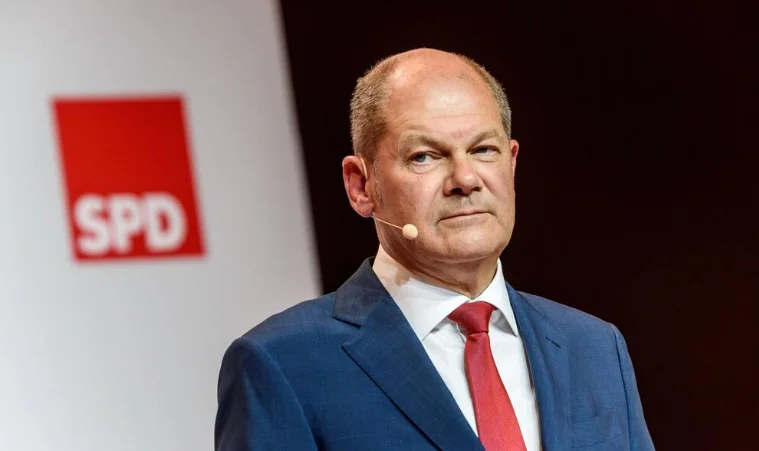
(3 years ago)German Chancellor Olaf Scholz called on the European Union to keep its promises to Western Balkan countries for their EU integration. In a speech to the European Parliament for Europe's future, Scholz also called for continuing to normalise relations between Kosovo and Serbia. “Europe must be opened to [...]
In a speech to the European Parliament for Europe's future, Scholz also called for continuing to normalise relations between Kosovo and Serbia.
“Europe should be opened to others. Key decisions for Europe were those last year, when we decided to work for an enlarged Europe. We have told the Western Balkan countries, as well as Ukraine, Moldova and perhaps Georgia, that they have the country in Europe“, Scholz said.
The geopolitical Europe must keep its promises. Promises must be held against the Balkan countries we are promising membership for 20 years now. The normalisation of reports between Kosovo and Serbia must continue. Integration reforms must continue. The negotiation process with Northern Macedonia should also be advanced. Enlargement should not be the only motive for reform, but must be considered“, the German Chancellor said.
Of the Western Balkan countries, Montenegro and Serbia have made mostly progress in EU membership negotiations, while Albania and Northern Macedonia have opened these negotiations last year. Bosnia and Herzegovina has received candidate country status, while Kosovo has applied for EU membership last December.
The European perspective of Western Balkan countries has been promised since 2003, when representatives of EU member states, gathered at a summit in Thessaloniki, Greece, have adopted a joint declaration to that end.
Speaking on Europe Day, marked 9 May, Scholz said that the most unified “Europe, the easier it will face challenges”.
“We should be even more open to others. We need an enlarged and reformed EU, a geostrategic EU. Rarely have we been more united than we have now faced with Russia's aggression [in Ukraine]”, Scholz said.
The German Chancellor also said that the European Union is working to improve the regime of sanctions against Russia due to the invasion of Ukraine.
Responding to a question of whether he is in favour of the proposed expansion of sanctions with the involvement of Chinese companies, Scholz said the goal is to improve existing sanctions and that the future package of sanctions will not be the last. REL