7 minutes ago
Lack of information, unable to find the unsurgents necessary access to Serbian archives
Periskopi(3 years ago)
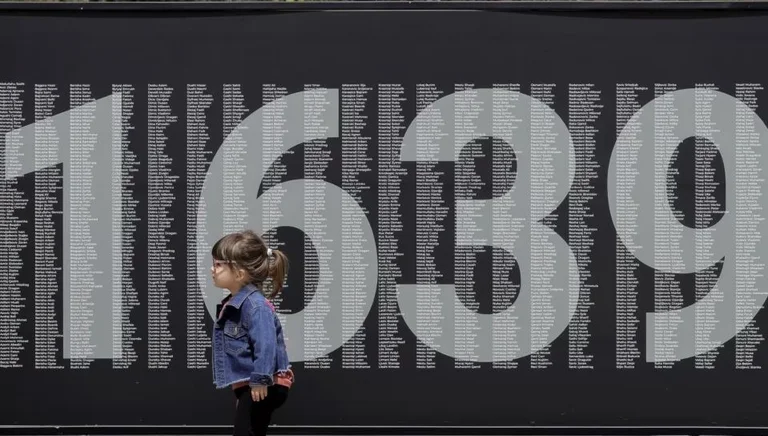
(3 years ago)Lack of information from the Serbian state and the unwillingness to co-operate has caused for nearly three years no excavations in Serbia. As a result, the Serbian state is continuing to hide the fate of over 1600 missing persons in the recent war in Kosovo. And competent persons taken [...]
And the competent ones involved in digging out the found ones appreciate the matter as challenging. They say access to Serbian institutions' archives is necessary.
The Garage Conception by the Government Commission for the ICTY, says that on the basis of information, there are morto remains of the two war victims in space called “Muslim believers' <x0).
“In the case of locations in Zubin Potok's municipality, we are looking at additional information, in an effort to establish the possible location for mass cemeteries in the case we call a group of intellectuals, and at the same time we are working on information on the possibility of two locations, since on the basis of the data we have, there should be also the mortore remains of the two victims of the war in the cemetery space of Mitrovica in the part known as the Muslim cervars of the believers, said Gara.
Since 2021, Gara says they have failed to establish a location for excavations among the Dreth-Kowder villages. Says there was an dig from UNMIK time.
Therefore, Gara finds access to Serbian institutions necessary.
“In the case of location among the villages of Dreth-Kallder, there has been ongoing excavations even during UNMIK's time, then EULEX's, and we as institutions in the autumn of 2021 we have been engaged in this location, but unfortunately so far it has not been able to establish the location, on the basis of the movement of the location or corpses because we have said there is a kind of hesitation from the Serbian side for non-co-operation. Therefore, access to archives of Serbian institutions is most necessary and I believe that on the basis of this information, we will be able to establish the possible location”, he said.
The challenger also sees Ditor Haliti, forensic anthropologist at the Institute for Legal Medicine. He for Online Economics says their work depends a lot on information.
Because our work really depends a lot on information, and these field activities are all based on certain information. Information is then naturally processed by the police, and it co-operates with the Prosecutor or Court of which issue a warrant, under which we are obliged to go out and dig and do our work”, says Hallit.
As a result of lack of information, the IML is awaiting information from law institutions.
He says there are doubts based that there are still bodies buried in Serbia. For this, he hopes in co-operation with the Serbian side.
This really planned year we only have two field activities in terms of digging, this is the first and the second will be in Podujevo. The others are working but in the absence of concrete and precise information, we are forced to wait further for the police and prosecutors to do their job so that they issue new orders for this year, which of course we will go and address. But the most disturbing of us are the lack of information from the Serbian state, because, as you know, a thousand bodies have been exhumed and repatriated from Serbian territory and there are doubts based on the fact that we still have bodies there that are buried and hidden”, he said, as he says about the excavations at Podujevo, the victim is not connected to the last war but that is on the list of missing persons.
“Aty suspected of a victim but not connected to wartime but is on the list of missing persons and should be addressed by us, in order to eradicate him, identify his identity and then get him off the missing persons list. There is no case that is special”, Haliti said.