8 minutes ago
Visa liberalisation to change employee history in Kosovo private sector
Periskopi(3 years ago)
(3 years ago)On January 1st, 2024, when visa liberalisation begins to be true for Kosovo citizens, private sector workers in Kosovo, regardless of the nature of the work, will be treated differently, however more dignified, and their work will be assessed, which means they will have higher salaries than so far and [...]
It should be clearly said that visa liberalisation for Kosovars (finally, as issues, practically closed), will radically change the history of workers in Kosovo's private sector.
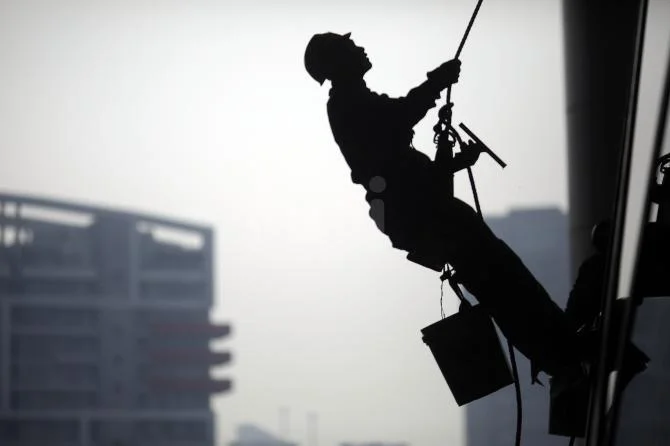
From now on, more precisely on January 1st, 2024, when it begins to truly liberalise visas for Kosovo citizens, Kosovo workers, employed in the private sector, regardless of the nature of the work, will be treated differently, however dignified, and their work will be appreciated more realistically, which means more will be paid, so they will have higher salaries than until now and by no means 170 euros than it was the minimum wage in Kosovo so far. This change, at least, will condition visa liberalisation, as it would impose the best comprehensive treatment of workers in the private sector. With more favourable treatment of workers, besides more acceptable salaries, the payment of extra hours of work, weekend work payments, working payments at night hours, maintenance for employees and clothing in the labour process, their journey, their workplace and vice versa, work contracts, etc.
Otherwise, private employers will easily be without jobs. Kosovo workers, who so far necessarily have “bowed their heads to work according to employers' dictates, after visa liberalisation, without one without two can say goodbye, because real opportunities will be created to try to work, even temporarily, in any Western European country. And don't be fooled by any of the employers that easily and cheaply, workers can be replaced “ikanak”. If any private owner is thinking that he will easily compensate the absence of Kosovo workers with workers from the Far East, Pakistan and Bangladesh, Turkey and other countries, because, under any conditions of workers' commitment from these countries, imported “workers will cost more.
Meanwhile, the fear of abandoning Kosovo, respectively, at risk of lack of workers in numerous private Kosovo companies, is real. This danger and alert to it has been demonstrated since the first days after Kosovo's involvement with the COVIID 19 pandemic and its consequences, when Europe well, especially strong, economically and financially disseminated their concern for the obvious absence of workers of all the threshing floor, and together, to an incredible extent, tamed the employment opportunities of foreigners, so unacceptable so far.
Kosovo Private Sector Union Chairman Yusuf Azemi recently said of the country's media, that private companies in the country have a serious lack of qualified workers. He also cited concrete figures of the “ , adding that the youth “remains a concern for them because since 2021 over 100,000 people have released Kosovo”.
While, according to circumstances connoisseurs, in 2022, even in spite of many procedures to be equipped with working visas, some 60 thousand Kosovo citizens, mostly young and young, have released the country.
According to Azem, although owners do not want to be declared on this issue, there is a shortage in every sector, but there are also cases when underqualified workers are replaced by no proper qualifications. He has announced that a small wage increase in some employers, but disturbing, according to Private Workers' Union representative, remains the salaries of technical workers committed to performing services as contractors from central institutions, and that even further continue to be paid up to 180 euros.
In such cases, then, from January 2023, there is no longer any need to express any concern or grief. Owners of companies, both of them and cleaners, who pay 180 euros for a month, will probably be left without workers.
Visa liberalisation will shock the labour market to a large extent, while if Kosovo's employers are not citizens for that, the consequences will primarily bear them, then in the chain, society and state. Then they must know how they will be found and what they will do next. But they must be very clear that when citizens of this country start to travel visa-free, the current labour market will be greatly disturbed. While, sensitivity, the rate of this disorder will depend heavily on each Kosovo employer, respectively. Kosovo workers will be speculated to abandon their job here, only when their employers' attention is turned to them, when they will be treated as they deserve and how they really value it. Otherwise, with visa liberalisation and the extreme liberalisation of employment opportunities in Germany, Italy, this state, which is alarming that it urgently needs 1 million workers, it is impossible to halt the momentum of abandoning jobs in Kosovo.
It's a simple account: Why would a 17-year-old worker stay here for 170 euros a month when it is known that most of the prices of all the products needed for a family, especially basic food products, are cost - relatively close to prices in most European countries, or much higher than there? Thus, much remains in the hands of our employers, easing the problem caused by the departure of workers to countries where they offer the most favorable condition for them. If, without wasting time, they start treating more justly, which means better conditions and more acceptable salaries, however, there will be less <x0 selector “1>. Or, in some way, it will be influenced not to meet ominous predictions that if the private sector continues to deal with the workers with the current conditions that are beyond the minimum, which in the first year after liberalisation, the “labour market in our Republic will be reduced to as much as 150,000 workers. These are the facts of the consequences and the expected developments after the visa-free trips of Kosovars, which although officially reportedly should serve for tourist tours, family issues or similar ones, and in no case means work permits or other benefits, Kosovars are known, will take the most of their work, even temporarily, or even 90 days, as much as we allow a visa-free regime.
While, the statements of Kosovo Deputy Prime Minister Besnik Bislim, made immediately after signing the visa liberalisation decision, that “visa liberalisation will enable contacts among people, strengthen our ties with the EU, confirm the EU's commitment to the region and increase business, educational and cultural activities for our citizens”, are more curious talk expressed in solemn cases, as if it were the signing of freedom of movement without visas.
Of course, visa liberalisation is expected to have a positive impact on Kosovo's overall economic and social development. The money earned in the workplace, everywhere in countries where Kosovars would roam after January 1st, 2024, they would initially bring them to their homeland, their families. This is the first, even symbolic, gain in possible economic development by the travel freedom regime. Visa liberalisation for Kosovo will provide other good opportunities, especially for businesses.
“In the economic aspect, the business community will have access to new contacts and partnerships with European companies, but at the same time, also for service delivery, because many production companies in Kosovo have not been able to move so far, what it has done to wait for services, or other things, connoisseurs say. Representatives of the country's economic associations, even predict liberalisation will save Kosovo around 20m euros annually. All of this, because, according to them, “citizens paid very high financial time to obtain a business visa, family union, tourist visa or work, while the visa term was high at”.
However, visa liberalisation will also have costs, of course, for fragile Kosovo, which despite the obvious and largest poverty in Europe, has spent not little to have these workers, to educate them and to enable them for the labour market. But now there are no dilemmas, no further speculations, from now on in Kosovo workers cannot be paid “with a piece of bread” as in the past, as the unionist representative says. From now on, the Kosovo worker also has options. While the employer seems to have the only alternative: to treat workers properly and appropriately, or to remain without them. /Economic Bouletin