7 minutes ago
Vera 2022: Hotest From the Beginning of Metering
Periskopi(3 years ago)
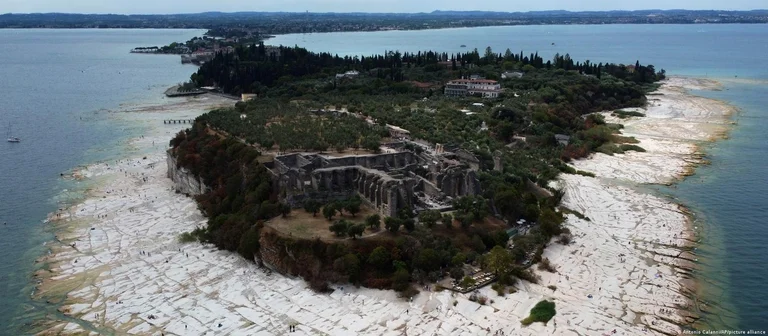
(3 years ago)According to the EU climate change service, Copernicus, Europe has never had such a hot summer since the start of temperature measurement. Melting Alps also reached a new record. Climate developments broke several records simultaneously in Europe in 2022, the EU service announced the change [...]
Climate developments broke several records simultaneously in Europe in 2022, the EU climate change service in the EU, Copernicus, announced. This was the hottest summer recorded since the start of measuring temperatures. Melting glaciers in the European Alps was as high as ever before, and the entire last year was the second in measured heat ever.
The temperatures in Europe, according to Copernicus, rise about twice the global average. The waiting “Clima will be very, very different than the climate in which we grew”, Copernicus Director Carlo Buontompo told reporters.
Extreme waves of heat and drought
The summer of 2022 was marked by a severe drought, which, according to Copernicus, affected more than a third of Europe, affecting agriculture, transport, and energy supplies. Partially, the fact that in last winter less snow than usual and the wave of the great heat in summer made the situation worse.
Europe's south also significantly increased in number of days, considered days of extreme heat stress (intensive between 38 and 46 degrees Celsius). These temperatures are considered dangerous to health. Besides that sunlight radiation in Europe was as intense as ever in the last 40 years.
Ice of glaciers Reaches Record Melt
According to the Climate Change Service, the European ice Alps were melted more than ever before. Alpine glaciers lost more than five cubic miles [5 cu km] of ice. If this ice mass were crushed into a cube, the corners of the cube would be about five and a half times higher than the Eiffel Tower.
In addition, the concentration of greenhouse gases increased during the past year. The concentration of both carbon dioxide and the extremely powerful methane increased. “Reducing greenhouse gas emissions is necessary to prevent the worst impacts of climate change”, said Copernicus Deputy Director Samantha Burgess.
There are a lot of possibilities in Europe to adapt to”, said Daniela Schmidt, professor of geosects at the University of Bristol in Great Britain. Options related to supply and demand, they consist among other things in infrastructure investments. But population education is also needed, for example, for new types of land exploitation, ways to save and use water more effectively.