3 minutes ago
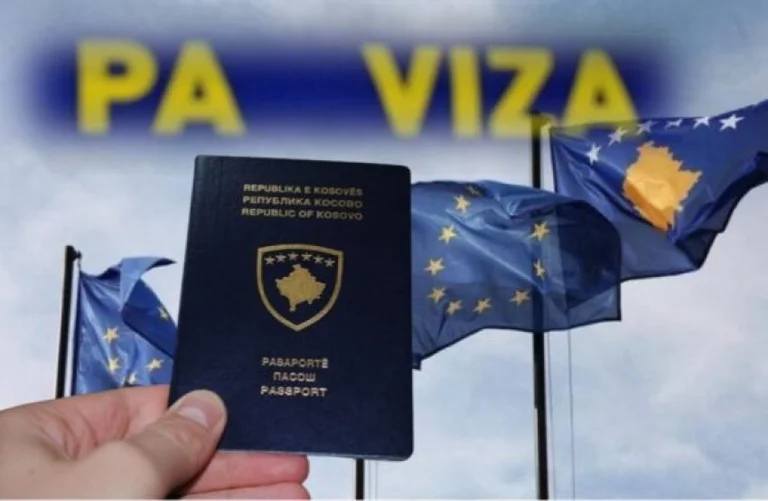
End of series: On January 1, 2024, we finally move without visas
Periskopi(3 years ago)
(3 years ago)Today, on April 18th, European Parliament has voted for Kosovo's LIBERALIZE visaisation. The vote has just ended in the European Parliament. This vote occurred after what happened in LIBE on March 23rd, where visa liberalisation for Kosovo was finally approved. Otherwise, on 9 March, the EU Council of Ministers has voted for visa liberalisation for [...]
Today, me April 18European Parliament has voted for LE BELIEF visa of Kosovars.
The vote has just ended in the European Parliament.
This vote occurred after what happened in LIBE on March 23rd, where visa liberalisation for Kosovo was finally approved.
Otherwise, on 9 March, the EU Council of Ministers has voted in favour of visa liberalisation for Kosovars, writes Isander newspaper.
Tomorrow, April 19th, the legal act for visa liberalisation will be signed, while the only step that must be taken after that is to publish the decision in the EU Official Journal and enter into force.
The legal act for visa liberalisation for Kosovo is expected to be signed by European Parliament President Roberta Metsola, and Sweden's Minister for Europe Jessica Roswall, whose country currently heads the EU Council.
Kosovo's first deputy prime minister, Besnik Bislimi, and Kosovo Foreign Minister Donika Gervala, are also invited to attend the signing ceremony.
By January 1st 2024, visa liberalisation will enable Kosovo citizens to travel freely in what is known as the Schengen area, consisting of 27 European states.
This regime allows visa-free travel to up to 90 days within six months of the Schengen area member states.
Visa-free travel should serve for tourist visits, family or similar issues, and in no case does it mean work permits or other benefits.
Kosovo, currently, is the only country in the Western Balkans whose citizens cannot move freely into the Schengen area.
This, despite the fact that the European Commission, since 2018, has confirmed several times that Kosovo has met all the conditions for visa liberalisation, but have been some member states that have consistently expressed reservations.