9 minutes ago
Interview/ Dr. Zivorad Kocevski: Patients with surgical breast zoom
Periskopi(3 years ago)
(3 years ago)Various from the implants used in the past, modern implant production technology allows for their life expectancy. Implants that have been used in the past have had life expectancy for 10 years, while the implants produced today have minimal stability of 20 years, but there are implants that offer eternal guarantees. So if [...]
Various from the implants used in the past, modern implant production technology allows for their life expectancy. Implants that have been used in the past have had life expectancy for 10 years, while the implants produced today have minimal stability of 20 years, but there are implants that offer eternal guarantees. So if implants hold the same shape and position as in the early years after surgery, then there is no need to change“ ) Dr. Zivorad Kocevski, a specialist in plastic surgery, reconstactive and aesthetic.
A sufficient indicator of the popularity of this intervention is the figure of nearly 2 million aesthetic breast - zoom operations annually. To be correct, 160,000 were conducted in 2018, according to data from the American Association for Aesthetic and Plastic Surgery.
Interview:
For some women, breast zooming is a way to feel safer, while for others it is part of rebuilding the chest because of various conditions. How did the idea of developing this surgical procedure arise? What women are candidates for this type of surgical intervention, and how much does age play in making the decision?
With the development of modern society, people in the last two centuries give greater importance to their appearance. As the emphasis is given on its appearance and satisfaction, people feel more secure in themselves. Thus, with plastic surgery and restructuring, aesthetic surgery begins to develop. In particular, developing rebuilding and aesthetic breast surgery begins in the 19th century.
The first breast - zooming effort was made by Austrian physician Robert Gersuny in 1890, who used a wax oil injection. Some years later, in 1906, Dr. Tansin made the first attempt to rebuild the breast to a female patient after the full mastechtomy intervention (full breast care). Thus begins a new era in breast reconstruction with the help of m - containing muscle skin. Latissimus dorsi.
During this period of surgical breast zooming, there have been many experiments on the use of fat tissue and its transfer to the chest area, the establishment of polyvinal sponges, and the injection of the silicon. But these experiments resulted in a large number of unwanted intraoperative and postoperative complications, so much of the female population avoid these procedures.
In the 20th century, with the development of business show, successful breast-enhancing interventions to a series of stars in the field of acting as Marilyn Monroe, Lana Turner and Ava Gardner return women's interest in breast zooming. Thus, in 1961, Dow Corning, after 9 years of dedicated to this problem, managed to make the first silicon implant for breast zoom. That is why he became a modern pioneer in developing this aesthetic procedure. Today, its method, in spite of the large number of modifications of the very implants and surgical procedure, provides the basis for the development of the world's most popular aesthetic procedure, the breast enlargement.
A sufficient indicator of the popularity of this intervention is the figure of nearly 2 million aesthetic breast - zoom operations annually. To be correct, 160,000 were performed in 2018 (according to data by the American Association for Aesthetic and Plastic Surgery).
As for female candidates for this type of surgical intervention, medical indicators refer to patients who have mastetoctomy because of breast cancer, tubular - breast patients, breast asymmetry, and patients with Poland syndrome. In terms of aesthetic indicators, they include patients disgruntled with the size of their breasts, as well as the presence of aptical (dependent) breast, especially after the lactation period.
At the same time, age does not play a part in making the decision to zoom in. Patients should be old - fashioned, emotionally mature and psychological. The most common age group that chooses surgical breast zooming includes women between the ages of 25 and 35, but it is not uncommon for older patients to take an interest in the aesthetic or restorative treatment of their breasts, especially patients in the fourth or fifth decade in which breast matektomia has been developed because of the presence of cancer.
What does it look like and how does the breast zoom operation work?
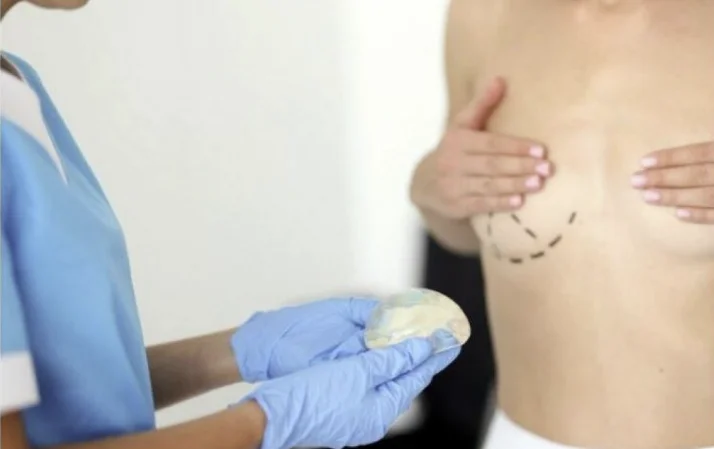
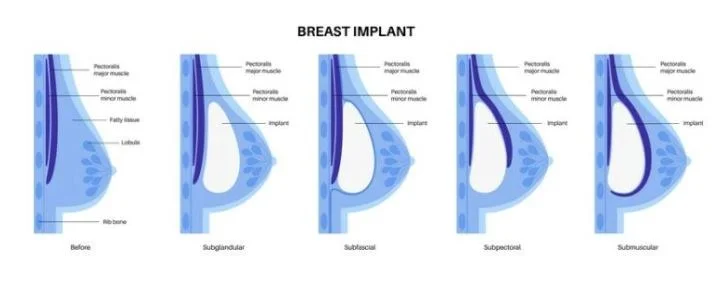
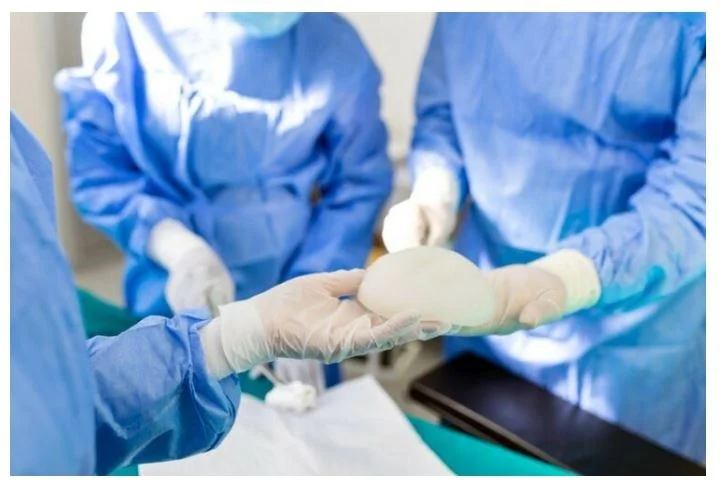
Using implants is the most common method of breast surgery. Operational procedure is conducted under general anesthesia. The breast - zooming implant is a prosthesis that, depending on the material within the capsule itself, the silicon, polyuretan, or a prosthesis filled with salt solution. Depending on the size and type of implants that the patient has chosen, the plastic surgeon determines which type of cutting is more appropriate.
All decisions regarding the position of cutting and installing implants are taken by the surgeon in agreement with the patient after detailed consultation and based on the patient's physical insinuations. During the surgery itself, the implant is placed in a previously formed pocket, which, depending on the earlier assessment, the implant can be placed under the breast tissue, namely. submarine implantation, or it can be placed under the muscle of the chest. Subtector implanting. As for the shape of the breast zooming implants, size and appearance/form of round or anatomic implants that are determined before surgery in consultation with the patient. There's a wide variety of implants, but they're generally soft and flexible.
After implanting, the surgical wound closes in several layers - muscle layers, facial layers, subsurgeons, and then becomes skin sewn. This method of closing the surgical wound is designed to reduce the blood pressure of the surgical wound itself, thus preventing the formation of extensive and warped wounds.
A frequent question from patients is how big will the sign be after surgery?
Although the implant is of large size, it is soft and highly flexible, allowing in most cases the operational wound to be between 5 and 6cm. That's enough to set implants, so the size of the impression/mark will also move within this dimension. The second most common question about breast surgery is, how long does the operation last? As during each operation, to achieve the best outcome and to avoid all possible complications, the operation lasts until its conclusion. In most cases, however, breast - zooming surgery lasts between 90 and 120 minutes.
Which women should not think about performing the breast - zoom operation?
As the largest number of patients to come for examination of plastic surgeons are due to aesthetic indicators, so they are not satisfied with the size of their breasts, after reaching out to the breast, patients should not be satisfied with their new appearance, they should be healthy. That means the state of health should not get worse after surgery.
First of all, therefore, patients need to undergo a thorough examination, which includes mammmographic or ecographic examination of breasts, breast X - ray, complete blood test, examination by the internist doctor and anesthesiologist, and the conclusion by both sides that the patient can be operated on general anesthesia.
Patients who shouldn't consider surgical breast zooming are those who have a suspicious, indisputable change either by ultrasound or by consisting of mountain change in the breast, patients who have been subjected to at least a year of surgery to remove a mountain change. It is necessary to spend at least a year from the performing of the oncological procedure, and surely a consular oncological opinion (of some doctors) is required before performing the reconstructive or aesthetic operation of the bay.
A counterindication for breast - surgery is the patient's poor state of health, the existence of an acute disease, or the existence of an untreated chronic disease. It is also opposed in the presence of inflammatory or infectious changes in the breast tissue, such as the presence of the mastitis. Of course, pregnancy and breast - feeding are absolute contradictions. A troubled state of mind as well as the existence of BDMS (body dysmorphobic syndrome) are considered antiindications.
What are the side effects of breast zooming, are there risks during procedure?
If there is a counterindiction to the application of breast surgery, the patient is in good state of health and mind, has made accurate preoperative planning, and if the operation itself is conducted in sterile surgical conditions, then there are no significant side effects on the surgery for breast enlargement.
However, possible complications include infection, the formation of an aestheticly uncomfortable surgical sign, pain, hematoma, bleeding, capsule contracting.
As we have already mentioned, if surgery is performed in sterile surgical conditions in the operating room, if antibiotics profile is conducted, then the risk of infection is reduced to minimum. As for the formation of an aestheticly uncomfortable surgical sign, it is prevented by the use of better surgical instruments used in plastic surgery in combination with the precise surgical technique and quality surgical sewing. Like any operation, even in aesthetic surgery, there is certainly pain after surgery.
In order to provide greater comfort for patients, during a postal hospital stay, the pain is treated by analgesics provided by infusion. For the course of further treatment, especially in domestic conditions, the pain is solved using oral anal analgy. When it comes to bloodshed, any bloodshed during the operation will stop with the help of electrocogulation. The implant itself should not be established until the entire bleeding is stopped.
Although plastic surgery is one of the most effective operations, surgery still presents a trauma to tissue. So in the post-operation period, it's possible to show swelling and haematoma. That's why it's mandatory to set the lunch during the operation. Dreams not only prevent the creation of an hehematom, but they also show us the degree of tissue reaction - the secreting of bloody or serosis content, indicating the success of operational treatment.
The human body functions as a perfect system, in some cases it can lead to complications such as capsule contractions. The capsule contract is one of the most serious complications that can occur after the breast - zooming operation. In fact, capsule contraction is the formation of connective tissue around the implant in the form of a capsule, and it happens because the immune system recognizes the implant as a foreign body and because it cannot remove it, tries to trap it or block it.
One way to prevent this phenomenon is to place the submuscular location of the implant, minimum contact with the patient's skin, washing the pocket in which the implant will be placed with antibiotic solution and minimal manipulation of the implant itself.
The capsule contract occurs with a 30% frequency of patients on whom an implant filled with physical or so-called “salinity” is placed. It happens at less than 4% of patients where augmentation is made using silicon implants.

How does recovery following surgery follow, and how much time must it take to get back to daily activities?
After surgery of the chest, the patient should be monitored in the intensive care department after the first two hours of surgery to successfully follow the situation after general anesthesia. After two hours, the patient moves into her hospital room, where she is monitored at intervals of 2 to 3 hours. Already eight hours after the breast surgery, the patient can get out of bed and move into the hospital room space. The movement in the room is under the supervision of hospital medical personnel.
During the first 24 hours of the breast zoom operation, it is necessary to monitor the amount of content collected through the drains. If the patient is in good health, if there is no danger of complications, then in the next 24 hours after surgery, that is, the first actual day after taking off the keys, she can be released for further recovery at home. House conditions recommend rest, mandatory respect for recommendations given by the surgeon, as well as mandatory treatment prescribed.
On the fifth day after the patient's surgery comes for first check, during which the examination of the surgical wound and the chest also becomes the bandage of surgical wounds. On the tenth day after surgery, the next check is made when the stitches are removed from the operational wounds. Already after the tenth day, there is no need to cover the wounds with bandages, which is, after 10 days, the wounds are closed, and the already formation of the impression/mark begins. In the future, the patient may return to carrying out day - to - day activities without physical activity that involves lifting heavy loads as well as raising arms above shoulder level.
Two weeks after surgery, depending on the type of work that a patient does, she can get back to work. A month after the surgery of the breast, the patient can begin the gradual physical activism as well as start dealing with the fitne. But it is important to note that exercise should be done without additional weight and shock/hand weights, then there is a need for other restrictions on carrying out daily activities and professional activities.
How many years does the breast zoom last, so how long can implants stay in proper shape? Should they be changed after a certain period of time?
Unlike past implants, modern implant production technology allows for their life span. Implants that have been used in the past have had life expectancy for 10 years, while the implants produced today have minimal stability of 20 years, but there are implants that offer eternal guarantees. So if implants hold the same shape and position as in the early years after surgery, then there is no need to change. There is a difference in life expectancy between implants filled with salt solution and silicon implants.
Because salted solution - filled implants can change their shape, i.e. inequality may appear on the surface of the skin in the upper chest, and because of the greater risk of cutting the implants themselves, the removal or replacement of it again is recommended after 10 years of implantation. When it comes to silicon implants, the general view is that if they have maintained their form, they have not had a change in their content, they can stay for 20 years. If there are no complications after 20 years, they may remain longer.
In fact, 20 years is a period during which the body of the implant itself is not expected. The risk of corruption increases by 1% annually. This means that in 20 years, the risk of cutting the implant is 20%. But if the patient does regular annual checkups, starting in the first year after the breast zoom, then the implant status can be monitored more faithfully and they won't need replacement in 20 years.
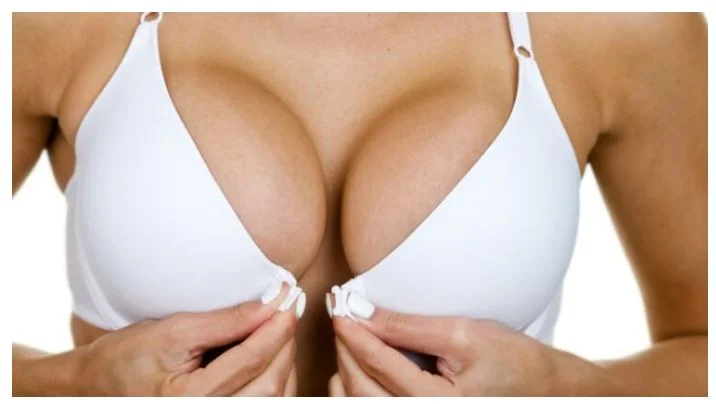
One of the questions that interest women thinking about this kind of intervention is whether the implants require the setting of the bras, which is certainly mandatory in the first weeks after the intervention, but what then?
In the post-operation period, wearing a compressive bra is mandatory. It is part of the wardrobe in the first month, but it may be useful for up to three months depending on the type of implant or depending on the layer in which the implant is placed. After three months, because the implant makes the breasts stronger, patients need no bra at all. But if the patient wants to wear a bra, it should be known that the use of metal - wire bra is forbidden.
Can a woman breastfeed after implanting?
If breast - zoom surgery is performed by an experienced and well - educated plastic surgeon who, using an adequate surgical technique, puts the implant in the right position, avoids the risk of damage to the tissue channel. This means that a woman at the time of childbirth can breastfeed without a problem. If the patient has not been breast - fed before and is planning, then she should not choose an enlarged breast that includes a surgical cut in the area around her nipples because that surgical approach increases the risk of developing breast - giving problems.
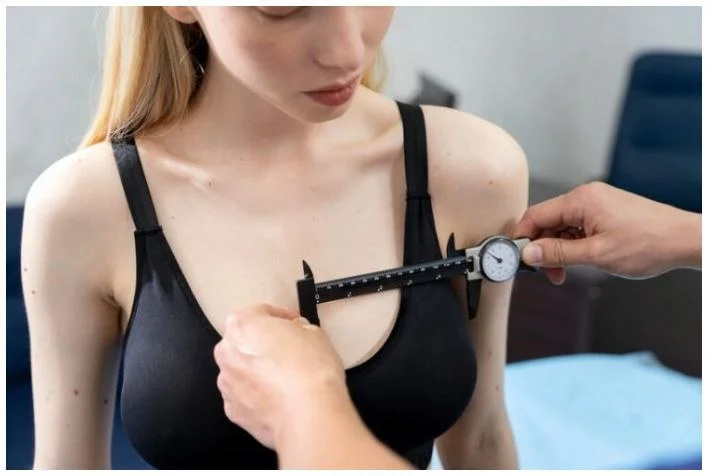
If the breast - zooming surgical approach is done through a surgical cut in the submarathon area or in the armpit area, then there is no danger of breast - feeding complications. One reason that breast - feeding can lead to complications is the size of implants. If implants are used in physical size - if the size of the implants is within the limits of a normal value after measuring the patient's chest and breast, then there is no danger of breast - feeding complications.
But if large implants that are larger than the size recommended by plastic surgeon are used, then the implant itself leads to compounding the breast tissue itself, increasing the risk of breast - feeding complications.
What would you say to women who are disgruntled by the appearance of their breasts and are reluctant to increase their breast surgery?
If patients are dissatisfied with their appearance and if they decide to zoom in, it is recommended that they be well informed of the operational procedure itself, but it is also necessary to be well informed of possible unwanted complications. When it comes to an increase in the breast before deciding where and with whom you would like to perform the operation, be informed of the surgeon's education and experience.
If the patient is indecisive if she wants to carry out the operational procedure, it is recommended that she consider how dissatisfied she is with her appearance. Whether breast surgery, nose or any other aesthetic procedure, the best way to evaluate it is by subjectively on a scale of 1 to 10 how unhappy she is with her appearance. If discontent is higher than 7, then the operation itself should be considered more serious.
Will the second question that a patient needs to ask himself be happier after surgery? If surgery really makes the patient happier, it means that after surgery the patient's self - confidence will be at a higher level, then the patient should not hesitate about the procedure itself. If the patient believes that the aesthetic surgery procedure will not change clearly before surgery and will not lead to increased confidence, so it will not make him happier, then the patient should not think about aesthetic surgery at all because despite the final outcome, the patient will not be satisfied with it.