19 minutes ago
The Displacement of Europe to the East and the Consequences
Periskopi(3 years ago)
(3 years ago)With the outbreak of war in Ukraine, the situation of Eastern European states has advanced to the centre of EU and NATO attention. Poland seeks a new role in Europe. What does that mean for Europe? In his programming speech about Europe in August 2022 in Prague, German Chancellor Olaf Scholz said [...]
With the outbreak of war in Ukraine, the situation of Eastern European states has advanced to the centre of EU and NATO attention. Poland seeks a new role in Europe. What does that mean for Europe?
In his programming speech to Europe in August 2022 in Prague, German Chancellor Olaf Scholz said Europe's “centre is moving toward the East.” Various analysts who spoke before and after this speech have supported the same idea.
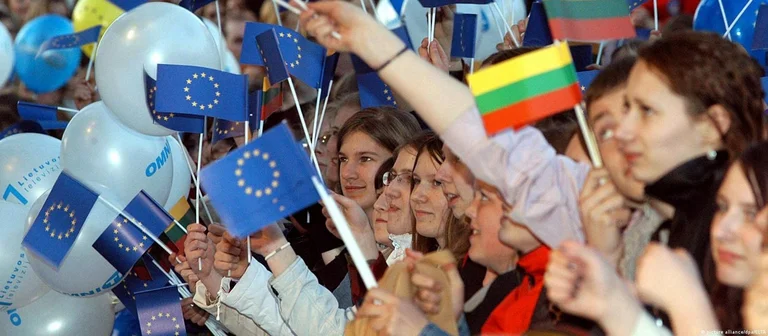
It is understood that the influence of Central and Eastern European countries, such as Poland, the Baltic States, but also Sweden's north has been significantly strengthened after the outbreak of war in Ukraine. We have a moral strengthening, greater legitimacy of their political positions. After being seen, they have been warning them of Putin's warmongering nature for years.
At the same time, the biggest EU states -- Germany, France and Italy -- see themselves as objects of criticism in the EU. These countries were mistaken in Putin's assessment. Germany did not believe Putin would shake up world order with a massive attack to forcibly change borders in Europe. She believed Russia would respect favour favourable gas and oil supplies in any situation; similarly, it was tried in Italy, where it prevailed during the tendency to see business with Russia divided by politics. France, on the other hand, was wrong because of a traditional admiration for Russia's size.
Displacement of gravity to the East in Practice
On the one hand, we have a military shift. A massive shift of NATO troops to the eastern EU states has taken place. The Largest Number of Soldiers NATO has now deployed it to Poland (10,500 soldiers), followed by Lithuania (4000 soldiers), Bulgaria (3.300 soldiers), Romania (3.300 soldiers), Slovakia (21000 soldiers), Estonia (2000 soldiers), Latvia (17000 soldiers), Hungary (8000 soldiers). The US has deployed a permanent military garrison in Poland and will also deploy one of their commands for Europe.
On the other hand, Eastern European states have become more central, as their stability and security issues are now the focus of European Union and NATO attention. The risk of these countries on the direct border with Russia is seen as endangering the Western democratisation project.
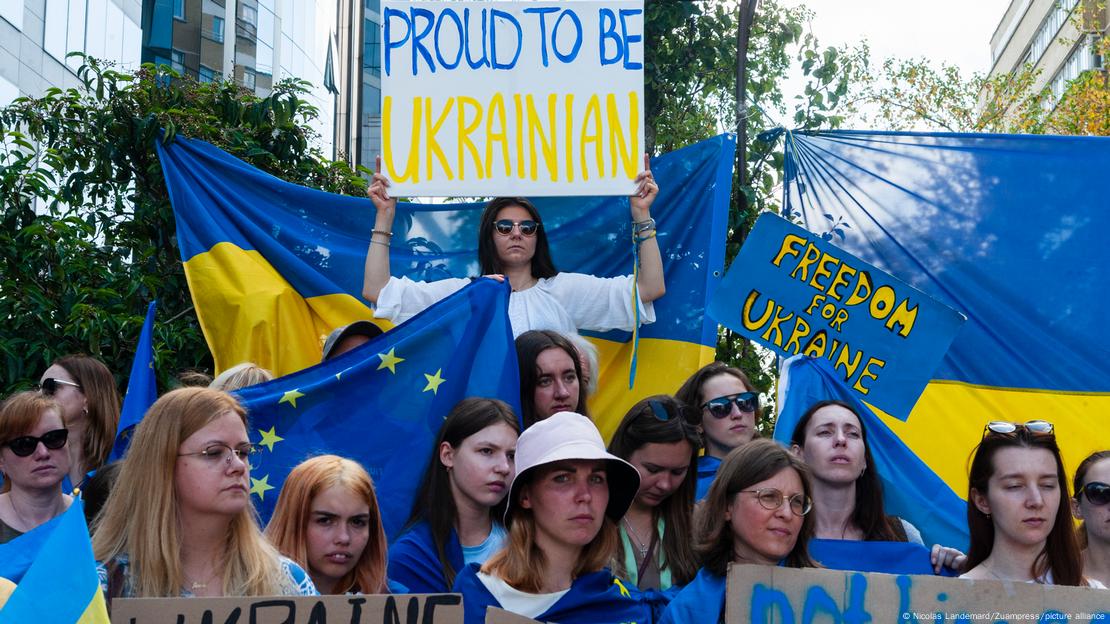
In these states themselves, the new situation has activated the determination not to enjoy the EU's periphery role and to influence the community more strongly. It is Poland of the Baltic States, Estonia, Latvia, and Lithuania that insist on taking a step further into Ukraine's western weapons every time.
In this context, with the outbreak of war in Ukraine increased „overnight” Poland's importance for the EU. This relates to the fact that” all transports to Ukraine must pass through Poland,” said DW Marek Madey, politicalologist at Warsaw University.
Poland (39.9 million people) is the state that has accepted the largest number of Ukrainian refugees in its territory, over 1.4 million. Poland's assistance to Ukraine last year was massive, 7.5 billion euros (a comparison: Germany, 84 million people, has made 14 billion euros available to Ukraine as military, economic, and reconstruction assistance. Poland is also militarily helping Ukraine. Poland itself is building a powerful army, investing 3% of the gross domestic product for the military.
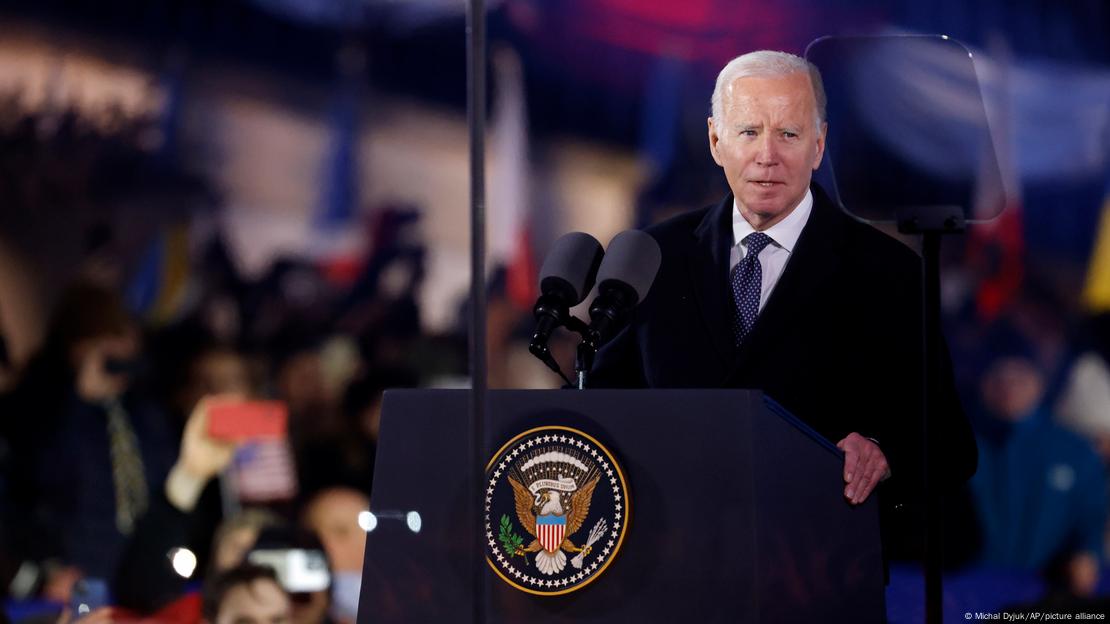
In recognition of all of this, this bordering state with Russia was visited twice within 11 months by US President Joe Biden.
With the war in Ukraine, European attention also shifted from the focus imposed by domestic Polish politics since 2015: from the independence of justice and the division of powers in Poland. At the moment, it seems that even the harsh rejection of refugees of nearly all over the world from Poland has been forgotten. With this attitude, the Polish government said that it also protected the Christian West from the world's flood of refugees. Poland has now acquired a legitimacy it did not have.
New situation and decision-making structures in the EU
Polish Prime Minister Matthews Morawiecki has declared that he sees Europe “before a historic turn of”. Even for this reason, the Polish government is trying to reshuffle power centres in the EU while remembering history. The Polish government has intensified contacts with eastern states such as the Baltic States, as well as Romania and Finland, to create a special group with them. There are mainly states affected by the Hitler-Stalin Pact of 1939 (with which the way was opened for the Nazi attack against Poland and for the division in the sphere of influence of Central and East European states. )
With new groups the Polish government wants to increase its influence in the EU, run by Prime Minister Morawiecki from Germany and France, which Poland does not want. However, not all the countries Poland gathers have that goal.
Poland, on the other hand, sees itself as wider even as leaders of the former communist states of birth. At a Washington press conference with Vice President Kamala Harris in early April, Polish Prime Minister Morawiecki said “has a new Europe ʹ a Europe that remembers what Russian communism was. Poland is the leader of this new Europe.” However, the best-known post-communist alliance, the Visegrad coalition, consisting of Poland, Czechia, Slovakia and Hungary since the outbreak of war in Ukraine, has ceased to function. This was largely due to Hungary's pro-Russian stance but also to the distinction in positions of other states.
Poland's Views of Europe
Because of Poland's actual weight in Central and Eastern Europe, the Polish government views itself as leaders of this region. Otherwise, on the basis of statements by Prime Minister Morawiecki, the Polish government envisions Europe as an alliance of national states, for example. As an alliance in Germany - France-Polon-Ukraine; Poland-Romania-Ukraine alliance. The Polish prime minister proposed this at the end of March in Bucharest. Morawiecki represents the Party of Rights and Justice, the party with the chances so far uncertain of regaining elections in the fall.
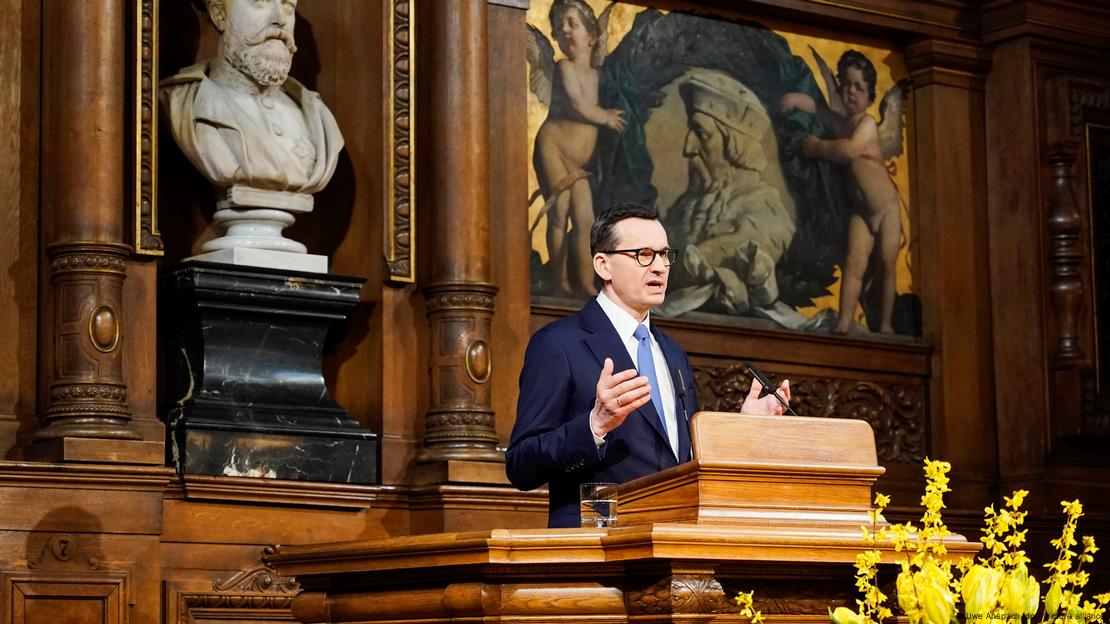
Polish concepts of Europe are perceived by Westerners
On March 20th, Moraweck gave a basic talk about Europe, Germany, at Heidelberg University. In it, walking towards the federalisation of Europe by the EU, which protects Germany, France and many other states, he called <x0->ibal and utopical”. In his speech he raised the national state. Rolf Nickel, former ambassador of RRFR in Warsaw and author of the book “Fiende Fremde Fredunde: Pollen und die Deutsche” (arms, strangers, friends: Poles and Germans find the explanation for this Polish stance in the difficulties Poland has had in history to protect its national state.
The position against European integration is one of the differences between the current Polish positions and the general spirit in the EU. The second area where Polish, but also Baltic, attitudes are distinguished mainly by German-French concepts for Europe is the attitude towards Russia.
In images of Europe's future, the majority of EU states, Germany, France and Italy see Russia as a major state, with which Europe will be dealing. Poland, the Baltic States, and some other country are for the isolation of Russia and for restrictions on contacts with this country on many levels.
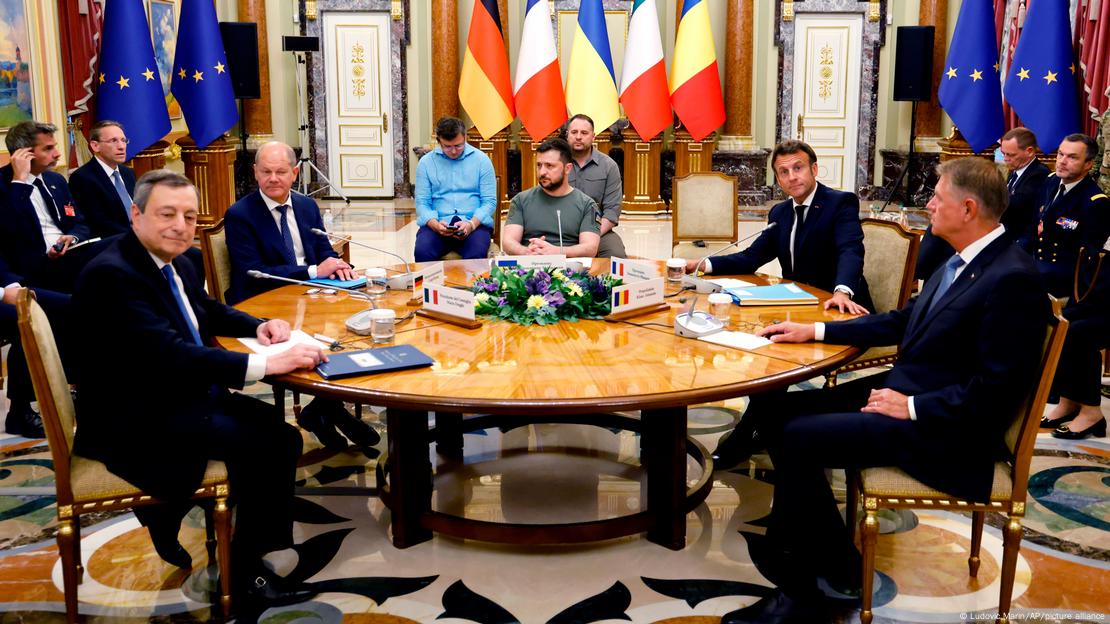
Displacement of gravity center in the face of crucial factors
Poland and the Baltic States are now taken more seriously and carefully heard in Brussels. EU sources say representatives of these states speak with confidence at European forums. They are also respected because they are potentially the most endangered states.
Both Poland and smaller Baltic states are currently valued more than the real weight they have in world politics. Economic and political parameters, the capacities of the eastern states, “hardware” as states, are naturally the same as before the outbreak of war in Ukraine.
The new geographical shift, the EU's new expansion in the East, has yet to happen. EU membership of countries like Ukraine, Georgia and Moldova is far away. With Ukraine, however, the EU and Nato are drafting intensive support programmes. The goal is for Ukraine to receive maximum support, even without membership in the EU.
Despite the maximum shift in attention to countries east of Europe: along with Ukraine's self-aware struggle remain US military and economic aid, but also Germany, France, Italy and Spain, as well as the great Britain for Ukraine, as well as their attitude towards Russia that will affect the way to peace. This is due to the large economic, political and military capacities of these states.
In postwar Europe, when judgments have been freed from the alarming military and current economic pressures, it will be seen where today's war has finally led the European Union of Europe. / DW