22 minutes ago
Bieber: Vucinqit concludes destabilisation, uninstructed efforts to improve reports with Kosovo
Periskopi(3 years ago)
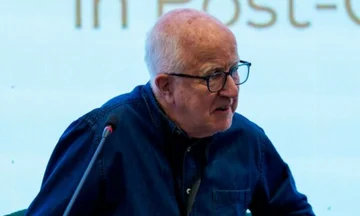
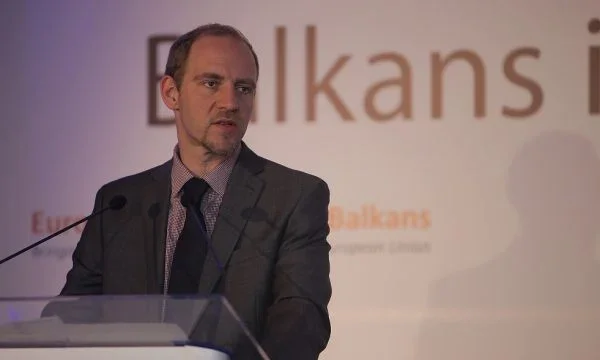
(3 years ago)Historian Florian Bieber has said he does not see Serbia under President Aleksandar Vucinq walking in the direction of stabilising relations with neighbours. He said that as seen with Serbia's vote against Kosovo on the Council of Europe, his efforts were inconsistent for normalising relations. I don't see [...]
He said that as seen with Serbia's vote against Kosovo on the Council of Europe, his efforts were inconsistent for normalising relations.
I don't see Serbia under President Vuciq's government moving in towards stabilising relations with neighbours. Efforts to improve relations with Kosovo were inconsistent, as we saw by the very aggressive reactions to Kosovo's candidacy for membership in the Council of Europe a step that would be fully in line with the Ohrid Agreement, which Serbia allegedly promised to implement”, Bieber said in an interview for Danas.
As he adds, unfortunately, the war in Ukraine did not lead to a new dynamic integration of the Western Balkan region into Western institutions, including the EU and NATO.
I would label the situation in the region as unstable. Relations are strained, especially in Bosnia and Herzegovina at the domestic level, as well as between Serbia and Kosovo. The European Union is unable to be the real engine of transformation and offer a reliable path towards membership”, notes Bieber, who is also professor at the University of Graz.
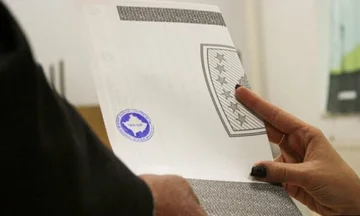
Likewise, Bieber says, the reluctance to participate in Kosovo elections and all that censorshiped image of Serbia under Vucinqiqi does not care about real normalisation and does only the minimum to avoid pressure from the West.
The “in a similar way, when it comes to other countries in the region, Serbia is not really seeking a positive dynamic. It is also closely linked to the historical revisionism promoted by the government and undaunted. The way Serbia faced some aspects of its past in 2000, mainly follows the line and logic of Slobodan Milosevic, denying war crimes, giving space to indictees and convicts, now freed of war criminals”.
Is there realistic opportunities and political desire to lead the region towards normalisation, or does “destabilisation of the Balkans” go to?
I think he needs stability and instability in some way. The idea of a stable autism is based on the idea of a promise. And I would always say the false promise of stability. But that also means there is a certain level of instability. Vuciq is a <x1) fireworker in the region”. That's why he's interested in instability, which he can then stabilise to sell to Western partners and elsewhere. And somehow, this model, as it has mastered inside, exports”.
“Until it resolves relations with its neighbours, especially with Kosovo's north, it cannot be the source of stability in the region and the region will always be unstable. And of course, Serbia as an autocratic state also cannot be positive because autism affects neighbouring countries in terms of democratic development. And this is a bad role that Serbia” plays.