22 minutes ago
Automobile industry: Germany Under Pressure
Periskopi(3 years ago)
(3 years ago)High energy prices and large bureaucracy are damaging automotive producers. They are increasingly investing in the U.S., which encourages the development of high subsidies. We will not shift existing production to the US. But future factories will rather build in America. There is [...]
We will not shift existing production to the US. But future factories will rather build in America. There is a danger that Europe will be the loser of this redealing”. This statement by Klaus Rosenfeld, the executive director of Schaeffler, the fourth largest car supplier in Germany with more than 80,000 employees worldwide, reflects an important trend: the automotive industry is increasingly shifting production from Germany and Europe to China and North America.
“Arsyet of automobile industry migration outside Germany and Europe are multiple,” told DW Stefan Schneeberger, project manager at the Beryls Strategy Advisors, a consultant firm specialising in the automotive industry. One of the main drivers of offshore sea transfer is the high cost of energy. The level of electricity prices in the EU is two to three times higher than in the US. “But even the highest regulatory conditions facing the industry in the EU and Germany also support shifting to another economic zone. And of course the most attractive subsidies, currently offered in the United States, have an attractive effect.” These subsidies, which number into billions, are still linked to climate-friendly technologies, such as electrical mobility.


American subsidies only for climate-friendly technologies
As a result of production relocation plans, the forecast on the number of units for the 2023-2029 production period in Europe is on a huge decline, is written in a recent Beryles analysis. Production shifts make predictions for other regions of the world much more positive. Automotive production is even expected to grow globally, but will be lower than expected in 2021.
The current “Forecast reflects the negative effects of an external shock caused by the war in Ukraine, as well as the corrections of highly optimistic forecasts for 2021 on the completion of pandemic restrictions and the microchip crisis”, Schneeberger explains.
Loss of 100,000 jobs in Germany
According to the analysis, a production difference of about four million vehicles will be shown between Germany and North America in the coming years. Production shifts, as recently announced by Audi and Ford, only reinforce this trend. Thus, losses of up to 100,000 directly affected jobs are expected and a decline in Germany's gross domestic product (PBB) of 0.6 percentage points in 2029.

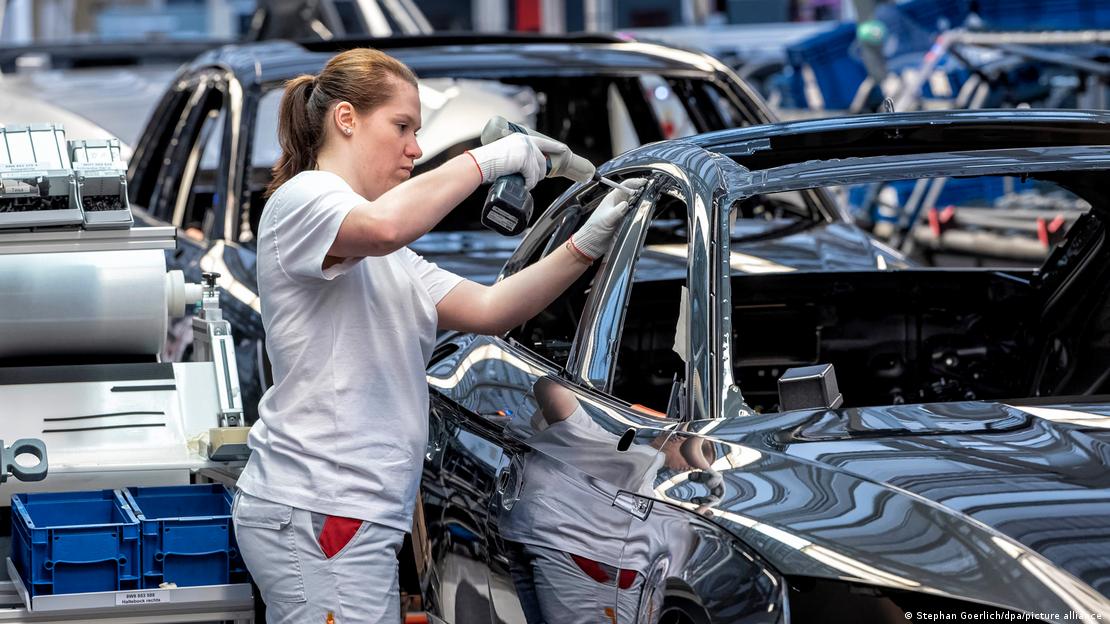
For the German economy, automobile industry key sector
In this context, project manager Schneeberger points out that the importance of the automotive industry in Germany is greater than in neighbouring European countries, for example. This industry here represents almost five percent of GDP, which means that the decline (in this branch) will particularly affect the German economy. In addition, the competitive advantage of German car producers and suppliers, which was mainly connected to the combustible engine, is reduced”.
America must operate even with electricity
But this is almost ancient history. Because besides digitizing, developing alternative engines is one of the megatrends in the automotive sector. In the United States, the end of the burning engine is certainly being carried out more slowly than in Europe or China. By comparison: Currently, 14% of new vehicle records in Germany are just electric vehicles, compared to 21% in China, the largest market for electric vehicles, while less than 6% of new US registered vehicles are electric.

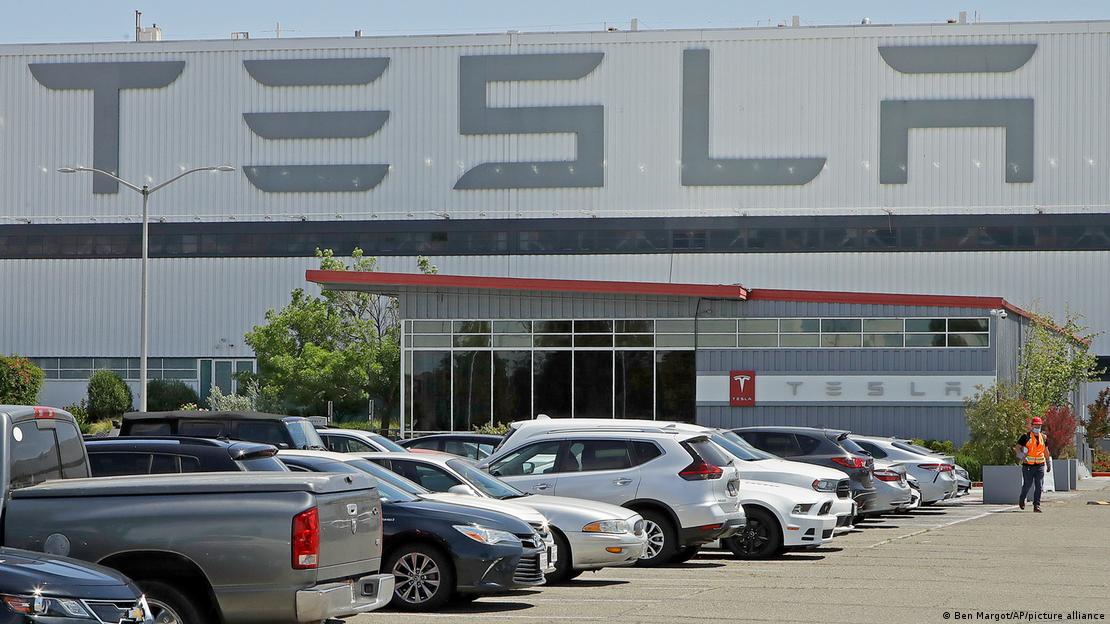
In the near future, this can change dramatically. The “Days when electric vehicles were a limited phenomenon in the US West Coast have ended,” says DW Henning Loudes, expert on the American automobile market and partner at Bertles Strategy Advisors.
According to Ludes, who has co-operated in a corresponding analysis, the US is already in direct competition with Europe for second place as the most important global market for electrical vehicles after China. Sales of this type of vehicles in the United States are expected to spend six million a year in 2030, representing some of the market of approximately 40 percent. The latest <x1).

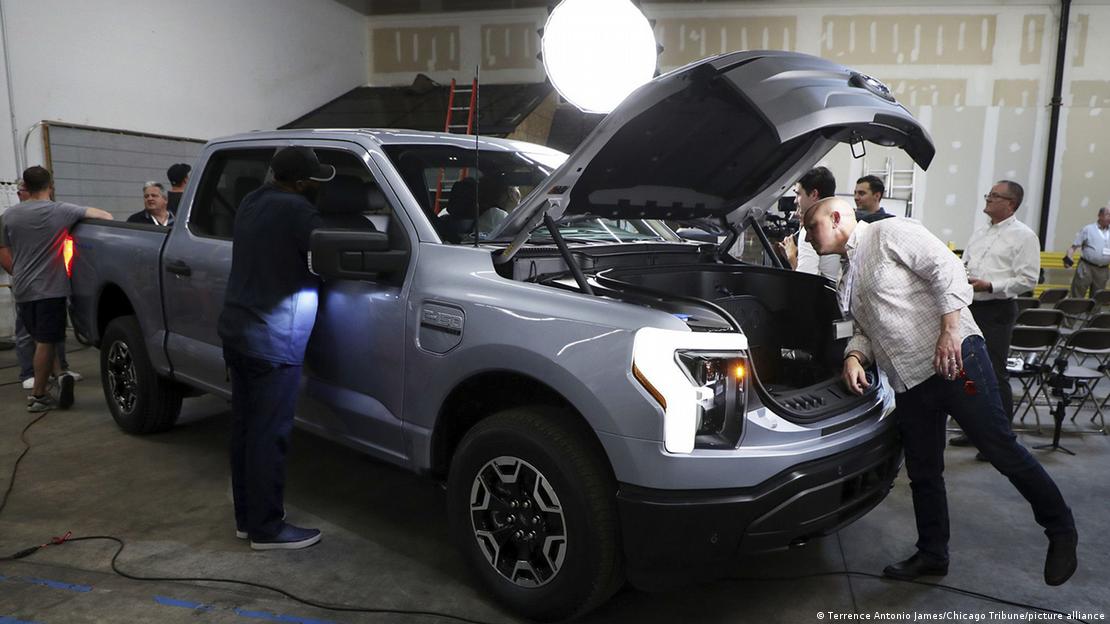
The main challenge for German companies will be to understand the specific needs of American customers who do not know electromability. These include specific model vehicles. Various “from Europe, the US, four-field vehicles and trucks will make up more than 75% of the automotive market,” says Ludes. “Kamion F-150 of Ford remains the largest vehicle on the American market. ” /dw