18 minutes ago
70% of women in Kosovo believe there is sexual harassment in jobs
Periskopi(3 years ago)
(3 years ago)In Kosovo 70 percent of women believe that sexual harassment is present at the workplace, while only 9 percent claim to have been sexually harassed or to know someone who has experienced it. Such information is part of a study of the organization UN Women who was [...]
Such information is part of a study of the organization UN Women, who was released in Pristina on Thursday. The authors of the study said that in research they have observed women's reluctance to talk about this phenomenon and that the data around doesn't reflect the real situation.
What we've been trying to do to beat this subreport is that unless we've asked women about themselves being sexually harassed, we've asked them about colleagues, okay if you're not being harassed by any of your colleagues? This, according to the literature we have considered, has shown that if women do not report for themselves, at least they are more likely to report for colleagues. We've also asked them generally in the country, not about them or their colleagues, but do they think that sexual harassment is widespread?
Some 35 percent of women who have experienced sexual harassment at work say that such an event has damaged their self - confidence, about 32 percent say that they have had psychological consequences, 31 percent say they fear the safety of the workplace.
Dina Vlasaliu of the UN Women said that concern is also the low rate of reporting sexual harassment.
“66 percent said they reported it, but what's worrying is that only 3 percent reported it to the police, 52.5 percent reported it to one overseer, and others have reported it only to friends. Then we asked them why they didn't report, and the three main reasons were that they were ashamed, worried about the safety of their work, and worried that no one would believe”, said Mrs. Vlasaliu.
The data shows that women have difficulties even in a literal sense of sexual harassment, while there are no initiatives to help them in this process. Only about 16 percent of women surveyed have claimed to have been trained in their workplace to identify and report sexual harassment.
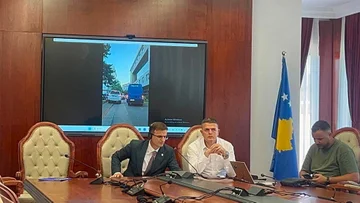
United Nations Development Co-ordinator in Kosovo Arnchild Spence said this research also serves as a call for action by policymakers on women's awareness of this phenomenon.
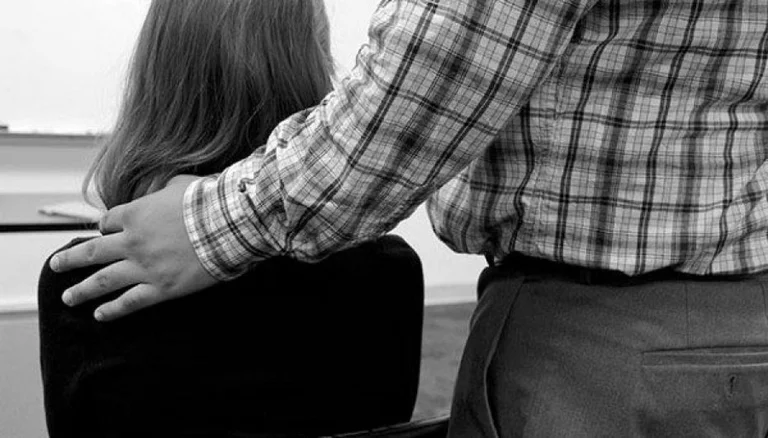
I think all the women who were employed have ever experienced situations where maybe they've been touched by a man, or looked into certain forms, or any other action that's too much and thought not to talk about it with the argument that I'm very kind, or that's very embarrassing, or maybe they've told themselves it might be their fault, that maybe they're wearing a very short skirt. But what we should think instead of that is that we have the human right to be safe in the workplace and to do the work without being considered sexual objects”, she said.
The ombudsman, Naim Qeyaj, said that only ten cases of sexual harassment have been presented in this institution since 2017, according to him, which does not match the overall perception of the extent of this phenomenon.
“Frika from revenge and the consequences the victim may have himself is one of the causes I can assume why the reporting of harassment is low or not reported at all. This fear is not only related to the issue of prejudice, the outlook that exists in our society to blame the victim on such cases, but also to the lack of information about the mechanisms where these cases should be addressed, then the lack of trust in institutions that an effective” will be offered, he said.
In UN Women's research, over 500 women from seven different Kosovo regions, employed in the private and public sector, have been surveyed. According to data from this study, the most popular forms of harassment in Kosovo are sexual remarks, inappropriate or offensive comments and exciting glances. /Vosa