7 minutes ago
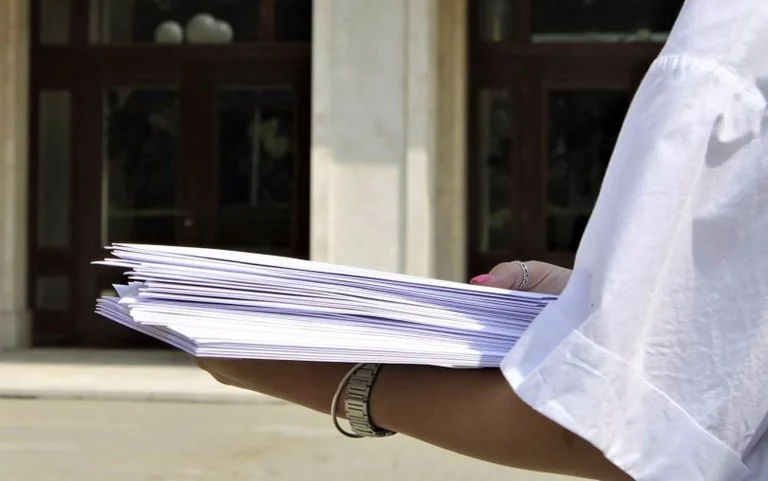
In 2022 citizens have withdrawn nearly 2.2 million documents from the civil sector
Periskopi(3 years ago)
(3 years ago)The Kosovo government is aiming to lower the administrative burden by digitising services and by reducing the cost citizens must bear to perform services. The administrative burden implies any procedure that causes additional costs to citizens and delays in receiving administrative services. The GAP Institute through this report has analysed how municipalities are affected [...]
The GAP Institute through this report has analysed how municipalities are affected by the process of reducing administrative burden and digitising civil services.
Some of the civil affairs documents have begun to be offered in electronic form by June 2022 on the e-Kosovo platform. From June to late December 2022, from
Kosovo-Kosovo platforms, citizens have attracted 238,015 civil documents. And in physical shape, during 2022, citizens have withdrawn nearly 2.2 million documents from the sector
Civil situation.
Currently, there are 180 administrative units on the entire territory of Kosovo (local community), offering nine civil documents. According to GAP Institute calculations, citizens are expected to save over 1.5m euros a year from the online withdrawal of civil documents from the e-Kosovo platform. Similarly, municipalities are expected to lower their staff spending, separately on
Local communities, the closure and reformation of many of which have been recommended by the Civil Record Agency (ARC).
The dilemma that has accompanied the initiative of reducing the administrative burden is whether this process will be accompanied by budgetary losses, separately by municipalities, since revenues from the administration are considered and treated as personal revenues for the local level. According to the GAP Institute's assessment, the revenues of 38 municipalities in 2022 by issuing documents and providing services from the civil sector were about 2.3 million euros, while spending about 2.2m euros. The participation of financial revenues from civil services in the municipality's personal revenues is low. In most municipalities, this turnout is 1% to 4%.
Therefore, the reduction or elimination of the administrative burden is not expected to have a major impact on the municipal budget. From the data received by municipalities, it turns out there is no connection between
The number of staff in civil office in municipalities and the number of residents in the respective municipalities. Pristina, officially estimated to have nearly 220,000 inhabitants, employs 39 officials
or an official/a for 5,641 residents, while the estimated Skenderaj has 52,600 residents employed 17 officials or an official/s for 3,094baners, or Kline municipality with 40,000 inhabitants.
employ 15 officials or an official/for 2,667 inhabitants.