5 minutes ago
SIPRI: Europe strongly armed
Periskopi(3 years ago)
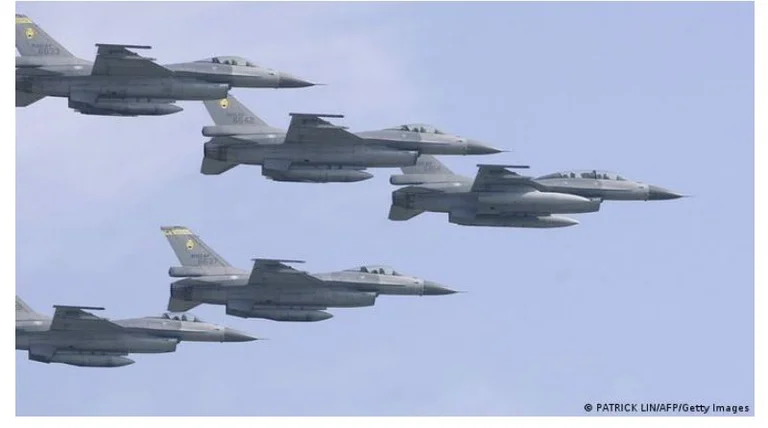
(3 years ago)Imports of weapons in Europe have increased significantly, the Stockholm-based Institute of Peace Studies, SIPRI, reports. The world's leading arms exporter strengthens its position, China falls. The world as a whole is disarming, Europe is arming itself, even vigorously. This formula may summarize the results of the latest SIPRI report of [...]
The world as a whole is disarming, Europe is arming itself, even vigorously. This formula could summarize the results of the latest SIPRI report by the Stockholm Institute for Peace. The Swedish Institute takes stock and compares the world's arms trade worldwide and supplies opinion and experts with military data.
According to SIPRI researcher Pieter Wezeman in conversation with Deutsche Welle in the main arms trade trends include “the significant achievement of arms import in European states” and the “extension of the US role as arms suppliers across the world”. In the most recent space considered by 2018-2022, the world's trade of Ames has dropped by 5% compared to 2013-2017. Meanwhile, European countries' arms imports from the US have increased by 47%, those of NATO states, even with 65%. The reason for this relates to the beginning of the war in Ukraine.
Ukraine number 3 in the world as importator
Previously, Ukraine did not play a role as a buyer of weapons, because the former Soviet republic produced weapons itself and still had many weapons from the time of the Soviet Union. But if you notice the weapons import figures in 2022 Ukraine has climbed to third place in the world as an importer of weapons.
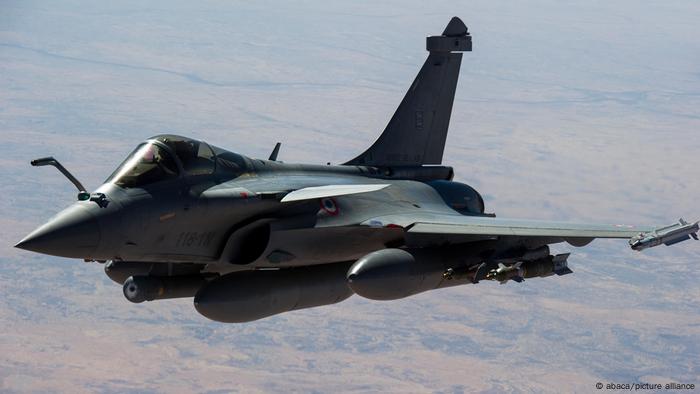 Rafhale, French fighter plane
While the world's five main arms export sites are the US, Russia, France, China and Genmania. Nothing has changed in this order compared to the previous period. There's only been differences in specific places. So the U.S., the world's number one arms export has added 14% to arms exports, which already includes 40% of global arms exports, or “global transfer”, according to SIPRI, which includes arms trade as well as military assistance (falas), which plays a role in Ukraine's support. Large growth as arms exporters also marks France, the world's number 3 for arms trade. According to SIPRI, such changes are not unusual, since they are occasionally highly ordered to produce weapons. Pieter Wezeman explains with this a significant drop by 35% of the gemani weapons business. “The change in arms export from France is structural. France strongly supports its arms industry, with which it achieved great success last year. ”
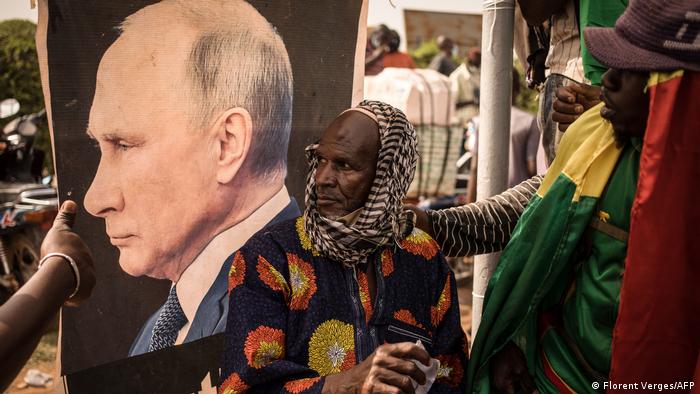 Putin Gate in Mali
China's decline as arms exporter is also noted at 23%. SIPRI expert explains this with the fact that “Kina has failed to access some of the most important arms markets, in some cases just for political reasons.” China, for example, does not sell weapons to its rival, India. According to Wezeman, China has not succeeded in surprise, nor has it managed to avoid competitors from the US and Europe in the Near and Middle East. A significant drop in arms trade marks Africa, 40%. But according to SIPRI expert, this does not make Africa more peaceful. SIPRI figures “do not stand in direct relation to the conflicts in which weapons” are used in this region. Russia has added its influence as arms suppliers to the Sub-Sahara section, especially in Mali. Previously, Mali has purchased weapons from many countries, including France and the United States. After the military stamp in 2020, many Western countries were reserved, while Russia added sales to the country. / DW