8 minutes ago
Serwer: They put too much pressure on Kurt. Last deal has two big problems.
Periskopi(3 years ago)
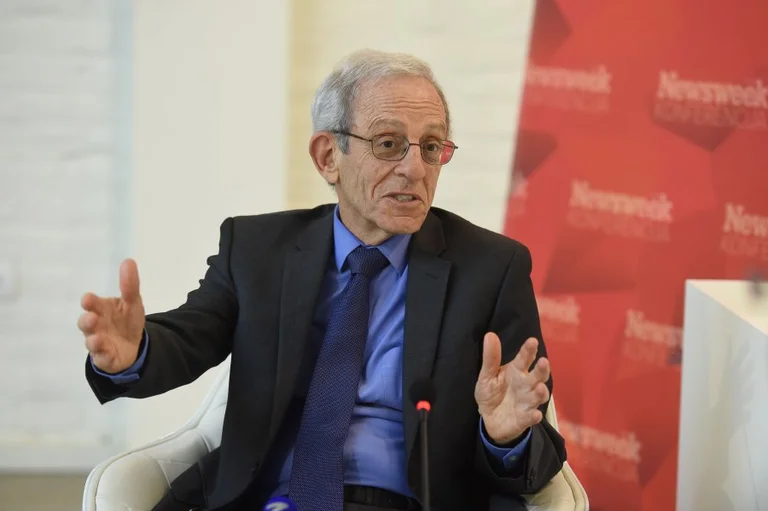
(3 years ago)Daniel Serwer, professor at John Hopkins University in Washington, has said that the Anexi implementing agreement on the road to normalising relations between Kosovo and Serbia has two major problems. The first one, according to him, is that “ai focuses on the process, not on “, and that “Serbia again refused to sign”. Serwer in an analysis [...]
Daniel Serwer, professor at John Hopkins University in Washington, has said that the Anexi implementing agreement on the road to normalising relations between Kosovo and Serbia has two major problems. The first one, according to him, is that “ai focuses on the process, not on “, and that “Serbia again refused to sign”.
Serwer in one Test Published today writes that the key <x0 procedure is incorporation of obligations in both agreements on the two countries' membership obligations to the EU”.
The new agreement also envisions a monitoring group led by the European Union. These provisions, according to Serwer, have been meant all the time.
“More obliged the EU than Serbia and Kosovo. Moreover, the obligation does not lie in recognising Kosovo's sovereignty and territorial integrity, as the normalisation agreement is not at this point”, he writes.
Serwer cites that Anex forces Kosovo to start negotiations immediately for the self-awareness of the Serb community in Kosovo, and in this reshaping of the 2013 agreement, he sees two features.
“First: avoid specific institutional form of the original. This in the eyes of Pristina represented a potential threat to Kosovo's sovereignty and territorial integrity. Second: refers to the Serbian community. This suggests that it is not for existing municipalities, but only for those within Kosovo who consider themselves Serbian citizens”, the American professor writes.
The first is clear to Kosovo's advantage, according to him. The second “is for Serbia, as it eliminates obligations to most non-Serbs”.
He further analysed Serbian President Aleksandar Vuciq's motives not to sign the agreement. According to Serwer, they are clear.
“He fears the internal reaction in Serbia, where ethnic nationalist passions and hatred of Albanians reign. He wants to avoid any formal equality with someone who would insist on identifying himself as Kosovo's (independent and sovereign) prime minister.
The EU and US officials would like you to believe that it doesn't matter. But there is. Under international law, signed agreements force a state. No sign of it. Serbia can leave all agreements with Kosovo, as they are unwritten. In fact, he hasn't implemented much. Neither does Kosovo. The signatures would make a big difference. So Vuciq resists”, writes Serwer.
American professor says Americans and Europeans have put too much pressure on Kosovo Prime Minister Albin Kurti to impose on Kosovo.
“Brussels and Washington have taken a different approach with Vucicin”, he says, stressing that “s previously rewarded”.
“No one criticises Serbia's deviation into its autocratic or corruption”, says Serwer, stressing Vuciqi visits and international investments in Serbia.
This, according to him, gives Vuciki “the diplomatic space he needs for refusing to sign”.
The promised donors' conference in the latest agreement is of marginal interest, as Serbia has most of what it already wants”, he says.
What's missing?
Serwer says the last agreement “has no reciprocity”.
Serbia takes over the government for its citizens in Kosovo, but Albanians living in southern Serbia have nothing comparable”, the American professor writes, stressing that the troubles the Serbian state makes to Albanians in Serbia are not mentioned at all.
There are no deadlines to set”, writes Serwer, listing the following warning.
A signed agreement focused on the process leaves many future negotiations. This is more smoke and mirror than substance. It is more likely to generate further confusion than peace”, the Serwer concludes its analysis.