a minute ago
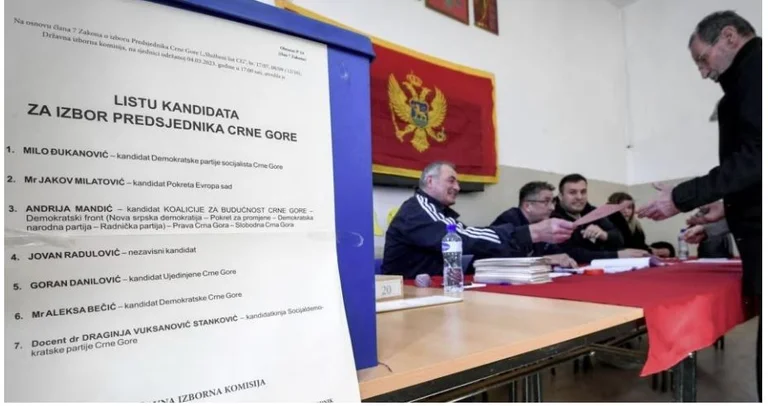
Montenegro: Milo Djukanovic, Jakov Milatovic to Face Second Round of Presidential Elections
Periskopi(3 years ago)
(3 years ago)Montenegro's President Milo Djukanovic, the veteran politician who has served in the highest state positions for 33 years, will face a second round of presidential elections with former pro-Western Economy Minister Jakov Milatovic, since neither secured enough majority for a victory in the [...] elections.
Montenegro's President Milo Djukanovic, the veteran politician who has served in the highest state posts for 33 years, will face a second round of presidential elections with former pro-Western Economy Minister Jakov Milatovic, since neither secured enough majority for a victory in Sunday's elections.
The Centre for Monitoring and Research in Podgorica said that according to preliminary results the current president and candidate of the Democratic Party of Socialists, Milo Djukanovic, has won the largest number of votes, however, 35.4 per cent.
Citizen Movement candidate “Europe Tani”, Jakov Milatovic, won 29.3 per cent.
Pro-Serbian Democratic Front candidate Andrija Mandic secured 19.1 per cent of the vote
The other four candidates received between 10.9 and 1.8 per cent of the vote.
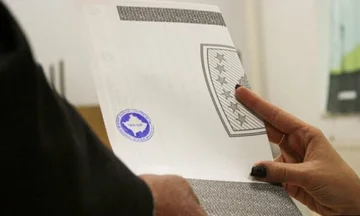
The Centre for Democratic Transition announced that 344,700 voters -- numbering 63.6 percent of 542,154 eligible citizens -- participated in the presidential elections.
According to reports by observers and the State Election Commission, the election day passed relatively calm, without any apparent irregularities that could derail the election process.
In the second round of elections, to be held after 14 days, on April 2nd, the two candidates who have received the largest number of votes compete.
These are the fourth presidential elections since the restoration of independence, but this time presidential elections were held in an institutional and political crisis environment.
In recent years, the unstable and heterogeneous parliamentary majority replaced two governments that plunged Montenegro into an institutional crisis and further deepened divisions on the political scene.
Since 2020, there has been no progress in the process of negotiations for membership in the European Union due to insufficient achievements in the reform process.
The small Adriatic border country became a NATO member in 2017, following a failed coup effort in 2016 for which the government blamed Russian agents and Serbian nationalists. Moscow rejected such claims. / VOA