11 minutes ago
Miftarian: Vjosa Osmani '%i risks position, even if Berisha and Kinoll win the case in Constitutional
Periskopi(3 years ago)
(3 years ago)Egyptian community politician Veton Berisha and the Roma community's Albert Kinoll are claiming their mandates were taken by several major violations in the recent general elections. According to them, the Roma Initiative has managed to take place in the country with the help of the Serb vote instructed by the Serbian List. This [...]
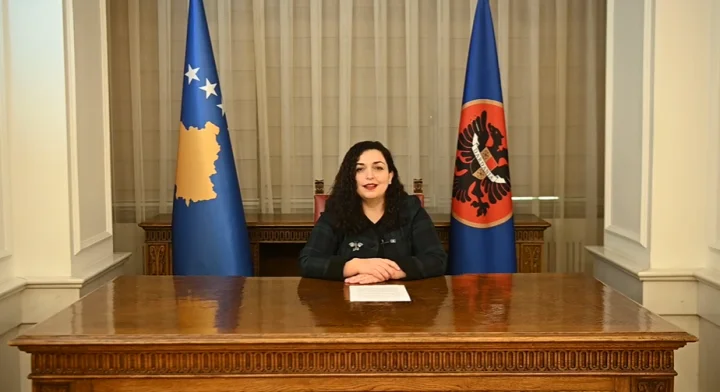
This trial was reportedly able to oust President Vjosa Osmani from the state chief's position. But that's not how Ehat Miftaraj thinks from the Kosovo Institute for Justice.
Miftaraj said the mandate of President or Government cannot be jeopardised even if the Constitutional Court decides in favour of Berisha and Kinoll.
“Even if the Constitutional Court rules positively according to MP Berisha and Kinoli's request, who have contested the constitutionality of AA.nr.29/2021 of the Supreme Court of Kosovo, as well as the Anr.736/2021 Election Panel's rulings for Ancas and Parashtre (PZAP), according to the practice built by its Constitutional Court, but also international standards regarding the principle of judicial security, cannot be jeopardised by the President of the Republic or the government<2x> wrote in a Facebook post.
The first “, the complaint handed down by the two parliamentary candidates if it results in success, could potentially be reduced by an MP from the Romani party initiative to benefit MP candidate Veton Berisha, due to potential doubts about the deformation of the guaranteed seating mechanism, not canceling all votes that political subjects of non-communal communities had won from other communities they did not belong to<1>, he added.
Another reason that this process of são jeopardises the mandate of President Miftaraj also mentioned the time of contesting her choice.
“As if, even in case, the Court decides in favour of the two MPs, it still cannot be jeopardised by the President's mandate, as the deadlines have passed when it was possible to contest the legality of the president's election of the republic”, he wrote.
Miftaraj says this case “cannot be compared to the case of the government Hoti”.
This because in the case of the Hoti Government, the constitutional procedure has been initiated against the Government's choice decision. The assessment of Mr. Arifi has been a secondary aspect to assess the constitutionality of the government's choice decision. In the concrete case, the constitutional procedure is not directed at the decision to elect the president, but only at the mandate of a deputy whose mandate, as stated, cannot have consequences now issued (This Constitutional Court practice has been followed in the case of Mr. Pacolli as president and the decision to elect the Hoti government” wrote Miftaraj.