8 minutes ago
US likens Putin to Milosevic
Periskopi(3 years ago)
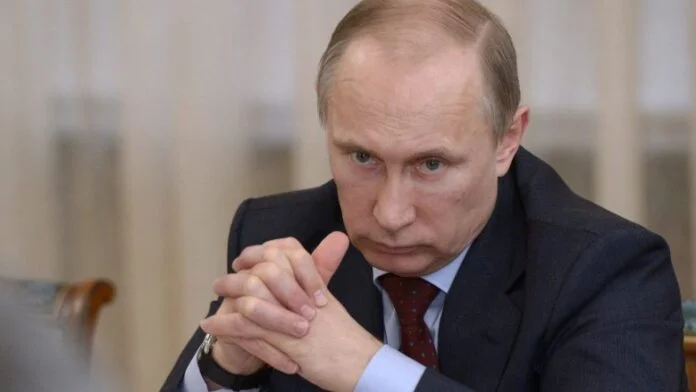
(3 years ago)Beth Van Schack US Ambassador for Global Criminal Justice has spoken after the International Criminal Tribunal in The Hague issued an arrest warrant for Russian President Vladimir Putin. Van Schaak, an American lawyer serving as US Ambassador for Global Criminal Justice, has compared Putin to Milosevic, however, the question now current that [...]
Beth Van Schack US Ambassador for Global Criminal Justice has spoken after the International Criminal Tribunal in The Hague issued an arrest warrant for Russian President Vladimir Putin. Van Schaak, an American lawyer serving as US Ambassador for Global Criminal Justice, has compared Putin to Milosevic
However, the question now current about how likely he will ever appear in court?
When asked how important it is to achieve justice, Van Schack said other dictators in the world thought they would face justice.
“Augusto Pinocet, Slobodan Milosevic, Hissen Habre? I think none of them thought they would ever face their trial, but they were all charged. We have to play a long game, I don't know how the situation will change”.
And as long as you collect evidence, file for responsible individuals, you can prepare until a court somewhere in the world is able to prove jurisdiction and then prosecutors will be activated” has stressed the ambassador.
“We've seen satellite images and others taken from ordinary cameras showing bodies lying behind their backs. This is clear evidence of torture or rapid murder. There are also attacks on theatre, railway station, ordinary civilian columns, people just going to work...”, Van Schaak said in Sky News.
Putin's close associate suspect
In addition to Putin, the International Criminal Court issued an arrest warrant for its Commissioner for Children's Rights, Maria Alekseevna Lvova-Belova, on the same charge of unlawful expulsion of Ukrainian children.
The JNP's preliminary procedure judges estimated there are reasonable grounds to believe that the two suspects bear responsibility for war crimes of illegal population expulsion and illegal population transfer from Ukraine's occupied territories in Russia, at the expense of Ukrainian children.
The judges considered the possibility of issuing secret warrants, but concluded that their public making could help prevent further crimes.
Russia has repeatedly denied that its forces are committing crimes in Ukraine.