7 minutes ago
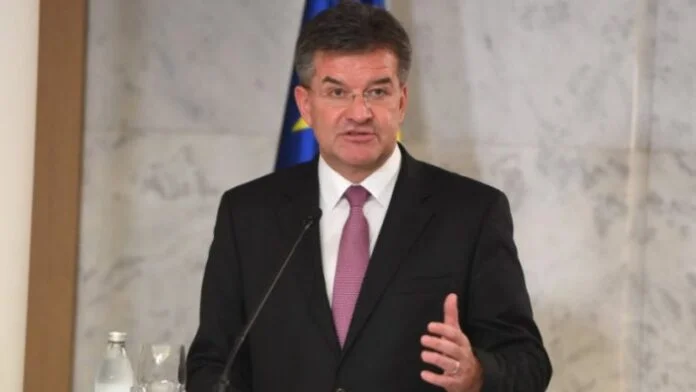
Lajcak: Accepting European Plan by Kosovo, Serbia reduces Russia's space for Balkan intervention
Periskopi(3 years ago)
(3 years ago)The European Union's special representative for dialogue between Kosovo and Serbia, Miroslav Lajcak, has said today that accepting the EU proposal for normalising relations between Serbia and Kosovo would reduce the space for Russia's intervention in events in the region and would create chaos. After Russia's attack on Ukraine, stability [...]
After Russia's attack on Ukraine, Western Balkan stability is more important than ever for the European Union”, Lajcak said during the online conference “Europe and Russia at the Balkan Front”, organised by the Italian Institute for International Political Studies.
As Serbian media report, he has estimated that relations between Kosovo and Serbia are a key problem for the entire region, which blocks the normalisation of the Western Balkans and freedom of movement.
“Controversing the agreement would be a positive message for the entire region”, Lajcak has said.
Saying Kosovo Prime Minister Albin Kurti and Serbian President Aleksandar Vuciq have agreed that there is no need for new talks on the text of the agreement, Lajcak has said that the order of future steps, deadlines and who should do what needs to be done should be determined.
We have established annexes regarding implementation of the agreement. After my talks in Pristina and Belgrade, a new version of the annex is being prepared, which will be discussed in Ohrid on Saturday”, Lajcak has said.
Kosovo Prime Minister Albin Kurti, and Serbia's president, Aleksandar Vuciq, are expected to meet in Ohrid, Northern Macedonia on March 18th to discuss implementing the EU's 11-point plan.
The two leaders agreed last month that its contents do not need further discussion.
The EU plan does not force Serbia to recognise Kosovo's independence, but the two countries would recognise each other's documents, such as passports, diplomas and license plates.
Serbia, too, would not block Kosovo's membership in international organisations.
The plan also urges parties to implement all agreements reached so far in dialogue on normalising relations, including on forming the majority Serb municipalities' Association in Kosovo.
This association, agreed since 2013, would enable the Serbian community to manage such issues as economic development, education, health and urban and rural planning in its areas.
The Kosovo government refuses to form, arguing that the one-ethnic associations violate its constitution and threaten the functioning of the state.
Serbia's government, on the other hand, sees Association as significant protection for Serbs in Kosovo.