a minute ago
ZRR set new electricity tariffs in March
Periskopi(3 years ago)
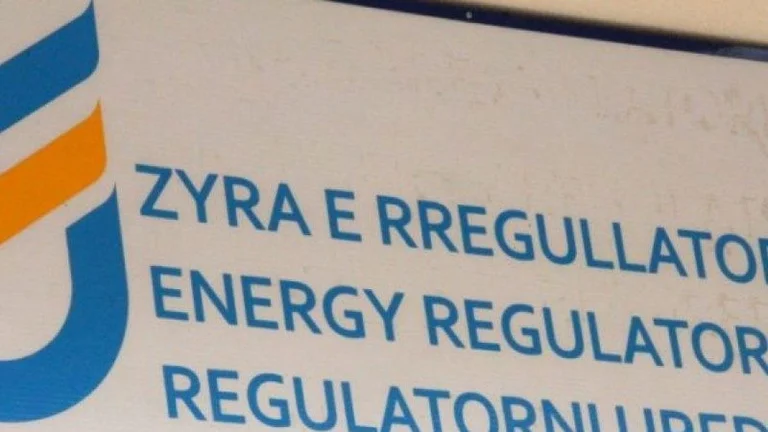
(3 years ago)The Kosovo Energy Regulatory Office (ZRRE) has said that following the completion of the public hearing under extraordinary review of electricity tariffs, it will come up with a final report on new electricity tariffs. Petrit Pepaj from ZRRE has said that after March 3rd, they are expected to emerge [...]
Petit Pepaj of the ZRR has said that after March 3rd, they are expected to come up with a decision on new electricity tariffs.
The board has not held a meeting until now, because it is in public question, and after March 3rd we will come up with a decision”.
The office of the president of Kosovo has submitted comments to the ERE concerning the proposed tariffs, demanding that the principle of non-discrimination be respected.
“For the president of the Republic of Kosovo, the main goal remains to respect the principle of sustainability, equal approach, and regular electricity supply. In view of this, it is required of the ERE that, as it has already mentioned in the published document, make sure that public consultation [be] at the centre of effective regulatory policies. Respectfully, Z. The RRE is seriously invited to address the comments and recommendations of the interest parties and to integrate them into the final document, so that the new tariff structure is not discriminated against certain consumer groups in the country”, said Kosovo President Vjosa Osmani's office.
Meanwhile, the Vetevendosje Movement and the Democratic League of Kosovo have indicated that they too have submitted their comments to the ZERE.
The extraordinary review of electricity tariffs has been made in order to reflect on rising prices of electricity import as a result of the global energy crisis.
Currently, Kosovo consumers pay 6.75 cents per kilowatt per hour.
The ZERE has come up with the proposal for increased bills on January 17th. She's made customer division into five categories: A, B, C, D, E.
As explained in the ZRE Consultative Report, increased energy prices affect only two categories of households -- D and E -- those citizens who spend over 800, respectively, over 1,000 kilowatts.
For the D category, which spends 800 kilowatt hours of electricity per month, the bill is expected to rise for 12 euros and 31 cents.
For citizens in the E category, who spend 1,000 kilowatt hours of electricity a month, the bill is expected to rise to 24 euros and 62 cents.
Opposition parties have rejected proposals for energy price increases.
Meanwhile, for the increase of electricity bills not to be so high and not to become unbearable for a category of citizens, the Government of Kosovo has allocated a total of 75m euros in subvention form./Paparacy. com/