10 minutes ago
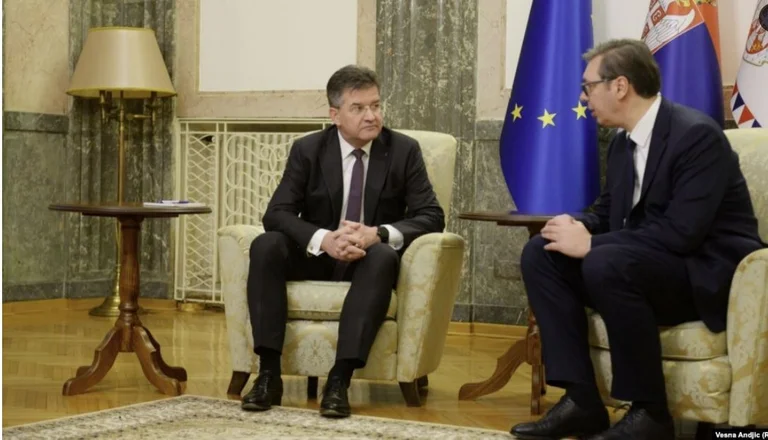
Vuciq: Open conversation with Lajcak
Periskopi(3 years ago)
(3 years ago)Serbia's president, Aleksandar Vuciq, said there has been a “open and friendly talks” with the European Union's special envoy for Kosovo-Serbia dialogue, Miroslav Lajcak. So he wrote on the Instagram social network, after meeting on February 6th in Belgrade with the European emissar. “An open and friendly conversation with Miroslav [...]
So he wrote on the Instagram social network, after meeting on February 6th in Belgrade with the European emissar.
A conversation open and friendly with Miroslav Lajcak. When I put it open, I really think about this”, he said.
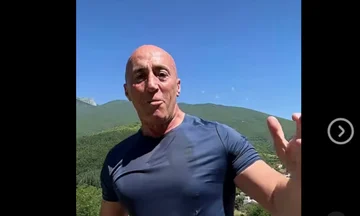
Before the meeting, Vuciq posted a video message at the Instagram, in which he said he would continue to protect Serbia” and that the West “could dream of Belgrade's mutual recognition” towards Pristina.
Presequently, media in Belgrade have reported that Vuciqi at today's meeting of the Serbian Progressive Party has said he is willing to go to early elections as a candidate for prime minister and that “will not be handed over to West blackmailes, the Socialist Party of Serbia (Ivica Dacic) and to false rightists”.
Lajcak went to Belgrade after meeting Kosovo Prime Minister Albin Kurti in Pristina, with whom he said he has discussed “everything” related to dialogue, but that the discussion has been focused on the European proposal.
Kurti said after the meeting that he accepts the EU's proposal for normalising relations between Kosovo and Serbia, “considering it a good basis for further discussions and a solid platform to move forward”.
The EU's proposal for normalising Kosovo-Serbia relations has been handed over to the two countries at the end of last summer, but its contents have not been made public.
This proposal, in which the REL has had access, envisions equal rights for Kosovo and Serbia, respect for territorial integrity, border invisibility, recognition of state symbols and a special arrangement for the Serb community in Kosovo.
The document does not mention mutual recognition between Kosovo and Serbia or the membership of Kosovo in the United Nations Organisation, for which things Kosovo officials publicly insist, but stresses the support the parties should give each other in the process of European integration.
The European Union's proposal, formerly known as the Franco-German plan, has also received support from the United States of America.
Last week, during the session in Serbia's Parliament where it was discussed in Kosovo, Serbia's president reiterated what European and American diplomats said during the meeting in Belgrade on January 20th that there would be consequences if Serbia does not accept the European plan for Kosovo.
Kosovo and Serbia hold dialogue under EU mediation that has US support as well since 2011. The process aims to normalise reports between states. But Kosovo and Serbia have different views as far as the process ends.
As long as Pristina wants a final agreement to include mutual recognition, Belgrade insists on a compromise solution, without specifying what compromise it is about.