12 minutes ago
Varhely: European Commission Ready to Work on Kosovo's application for membership
Periskopi(3 years ago)
(3 years ago)A debate on Western Balkan states has been held at the plenary session of the European Parliament on Tuesday. Most MPs committed themselves to the European Commission for accelerating the enlargement process, so it will not again enter a slow phase, as it has been in the previous five years. In this debate he got [...]
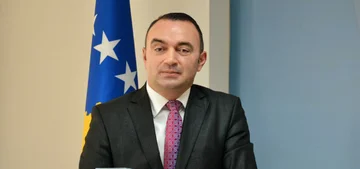
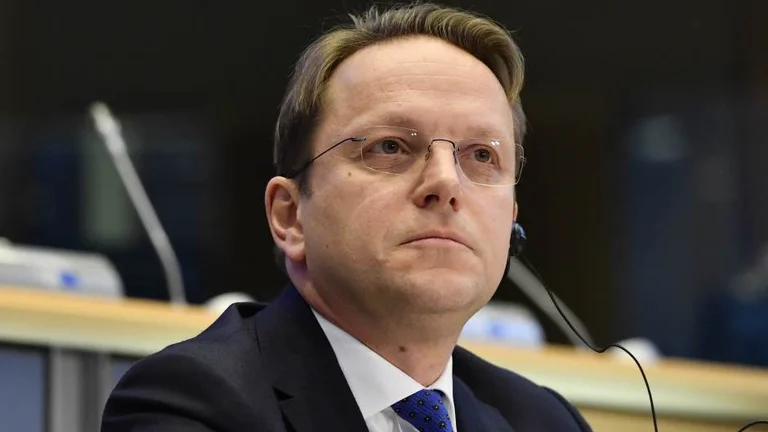
Enlargement Commissioner Oliver Varhely also participated in the debate. He said last year was one of the most productive years in the enlargement process.
In 2022, Albania and Northern Macedonia began negotiations on EU membership. Moldova, Ukraine and Bosnia and Herzegovina received candidate status, while Georgia was named a potential candidate.
Varhely asked that even the European Parliament, to keep the pace needed this year, should provide positive signals for the enlargement process.
He, as evidence that the EU now has a real priority for enlargement, also cited the fact that in the next four European Council meetings, enlargement was the subject of discussion.
Varhely during the debate has also been asked about countries in the region separately. One of the questions was also about Kosovo's “osion”, or more precisely about Kosovo's application for membership in the European Union.
But is it a problem for the enlargement process that Kosovo is not recognised by the five bloc states and that means Kosovo cannot move into the integration process.
“We all know what the legal position for Kosovo status is. Five countries have not recognised Kosovo as a state, and this affects our approach. Kosovo has applied for membership, and now, the Swedish presidency is considering the options. For our part, we are willing to do our job, and that is to explain candidate status, but the decision is not up to us, but Council”, he replied.
The European Commissioner was also asked about what has been described as Kosovo's “failure to implement agreements reached in dialogue with Serbia on establishing the Association of Serb-run municipalities.
“would be best to respond by citing European Council conclusions from last week. And it became clear there what are the conditions for progress on the European road”, he said, citing the part which directly invites all obligations from the past to be implemented, in particular for the Association of Serb-run municipalities.
Kosovo's European road, as well as Serbia's, goes through dialogue and implementation of agreements”, he added.
For Montenegro, Varhely said this state has lost several years because of internal political divisions that have hampered reforms.
Unfortunately, Montenegro has so far lost more than three years without significant progress in the enlargement process. This country has been a leading country in the process. But, because of political divisions within the state, this state has not been able to move forward in reforms, and therefore neither in the process of membership negotiations”, he said.
He was also asked about Serbia's failure to adapt to EU foreign policy about sanctions against Russia, as well as the spread of Russian propaganda in Serbia, but also about the impact of Russia's intelligence services to destabilise the region.
It is clear that Serbia is a candidate country and to apply the same conditions. Both adaptation to foreign policy is a condition and we have asked Serbia to be on our side, including sanctions against Russia. It is clear even politically for all who pursue the negotiation process with Serbia, that is perhaps the main problem in negotiations. But adapting to foreign policy as a condition for formal suspension of negotiations can have a poor effect, and we have seen that in other cases. This remains as a last resort”, Varhely said.
The European Commissioner said the EU would help political leaders in Bosnia and Herzegovina develop political dialogue, which would advance the enlargement process with this state after receiving candidate status. He said the criteria for future steps would clearly be linked to progress in the reform process.
He was asked directly about his positions on Bosnia and Herzegovina Serb leader Milorad Dodik, who openly supports Russia and Russian President Vladimir Putin, as well as threatens Bosnia's territorial integrity.
I can only repeat our earlier expressed stand by Putin at this time is something that internationally isolates Republika Srpska and its leadership. There is no place in Europe for supporting the crimes Russia commits in Ukraine, and our message is clear”, Warhely said. /Radio Free Europe