4 minutes ago
Security concerns in northern Kosovo amid political solutions debates
Periskopi(3 years ago)
(3 years ago)The chief of the European Union's mission for rule of law in Kosovo voiced concern Monday about the fragile situation in the country's north, inhabited mainly by members of the Serb minority. The situation remains tense in the north, as Western powers helped resolve a tense situation in December, along which [...]
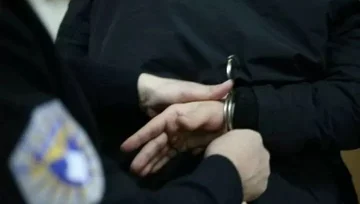
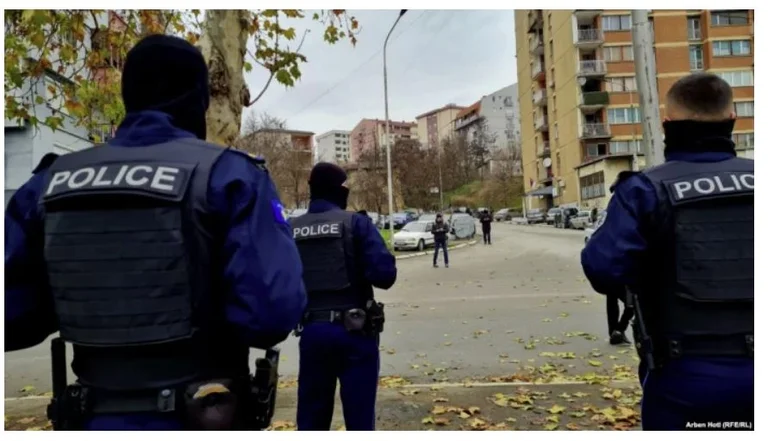
The situation remains tense in the north, as Western powers helped resolve a tense situation in December, along which Serb groups blocked key ways to protest the arrest of a former police officer from the ranks of the Serb community.
“I think this was the most serious crisis Kosovo has faced in particular its north for the last ten years”, Lars-Gunnar Wigemark, chief of the European Union's mission for rule of law in Kosovo, told the Associated Press news agency.
He said the situation remains unstable and warned that the crisis could easily escalate.
About 130 EULEX police members and about 160 Albanian police officers are taking care of security in the area, including patrols on foot, after all ethnic Serb representatives resigned from their posts in November.
The government in Pristina has said it will not allow the return to office of police officers who have resigned and instead fill the gap with police members from other parts of the country until new officers from the Serb minority are employed.
Disagreements between Serbia and Kosovo have remained a source of instability in the Balkans even 24 years after the war ended with NATO intervention.
Kosovo in 2008 declared independence on the support of the United States and the major European countries, which Russia and China supported, refuse to recognise.
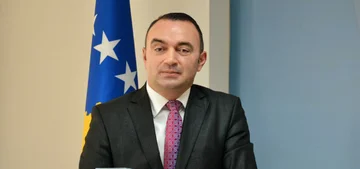
“We are of little use in rule of order and law, in protecting the entire land and sovereignty of the Republic of Kosovo, in the life and wealth of citizens in that region. There can be no compromise on these issues. Absolutely we do not want a new conflict in Kosovo”, Kosovo Interior Minister Jhelal Svecla told the Reuters news agency, who accused Serbia and Russia of trying to destabilise the country through criminal groups in the north.
NATO still has about 3,000 and 700 troops on the ground and has called for peace preservation, warning it will intervene if security is jeopardised.
Western diplomats have expressed concern over a possible conflict if Kosovo and Serbia do not sign a long-term peace agreement proposed by the European Union and supported by the United States.
We can only encourage both sides, such as Belgrade and Pristina, to truly do their best. This is very important, I think, that both sides are not doing this. I think both for Kosovo and Serbia, it is essential to move towards integration into the European Union”, the chief said. EULEX.
Last month, envoys of the United States, the European Union, Germany, France and Italy met with leaders of both countries to persuade them to sign an agreement aimed at easing continued tensions.
Western diplomats told both sides they should declare by March whether they accept an international plan to normalise relations or face consequences.