4 minutes ago
Resistance that initiated Kosovo's secession from Serbia
Periskopi(3 years ago)
(3 years ago)Following the violent removal of Kosovo's autonomy within the former Yugoslavia in 1989, Albanian citizens who refused to submit to the Serbian regime began a peaceful resistance involving the creation of parallel institutions in many areas. Resistance lasted for almost a decade. It was the end of July 1990, when Syheda Latifi-Hoja, a gynecologist from Pristina, was returning from [...]
Following the violent removal of Kosovo's autonomy within the former Yugoslavia in 1989, Albanian citizens who refused to submit to the Serbian regime began a peaceful resistance involving the creation of parallel institutions in many areas. Resistance lasted for almost a decade.
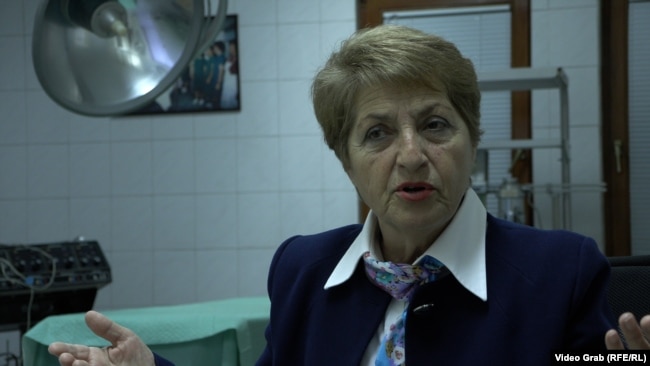
It was the end of July 1990, when Syheda Latifi-Hoja, a gynecologist from Pristina, was returning from a break to maintain custody at the Gynecology Clinic in Pristina, which was assigned to him months ago.
During the preceding year, she had witnessed how her Albanian colleagues in Pristina's main hospital clinics were gradually leaving work.
Doctors of the Albanian community, who made up the majority of the population in Kosovo, had started working under Serbia's laws by March 1989.
“From a country where tens of thousands of births were performed because of the ongoing expulsion of doctors (Albanians) came the time when patients were born, were resting for two hours or not, took their babies, and terrified were sent home”, relates Latifi-Hoja for Radio Free Europe.
She recalls that, at that time, other doctors had been brought from Serbia to run various clinics.
So we've kept our last custody on July 31, 1990. [After this date] our birth halls were closed”, gynecologist relates.
Left out of work after 11 years at Pristina Clinic, Latifi-Hoja went to work at a icanik clinic, about 60km from Pristina, where still Serbia's violent measures had not begun entering into force.
When violent measures were introduced, even from there I was expelled”, the doctor, who made the second decision to be deported in October 1991, showed.
How was the parallel health system created?
The beginning of 1992 found many hospitals and clinics in Kosovo emptyed by Albanian doctors. Albanian citizens had no more addresses to seek medical help.
Founded in this situation, a humanitarian association called “Mother Teresa” from Pristina, which was founded in 1990, in 1992 opened the first improvised ambulance in a private house in Pristina's “Trimave Framework Corporation.
By 1999, this association had set up about 100 such ambulances in different locations in Kosovo.
Zef Shala, who was among the founders of the association and leads him to this day, shows that, at first, the association only intended to send aid to poor families in Kosovo.
Poverty had also increased because of mass expulsions in the early 1990 ' s.
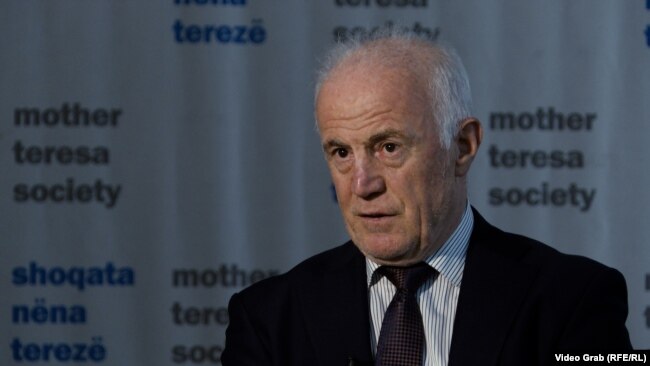
“ [After the cause of poverty] the second challenge that arose was the health issue”, Shala indicated.
According to reports from the association, in the early 1990 ' s, there were about 2,000 doctors and nurses who had been fired. In ambulances that were improvised into private objects, according to Zef Shala, some 1,800 doctors and nurses worked.
Soon there was a need to establish a maternity ward, as over the years, tens of thousands of children were born in domestic conditions, out of uncertainty to seek medical assistance in the country's institutions.
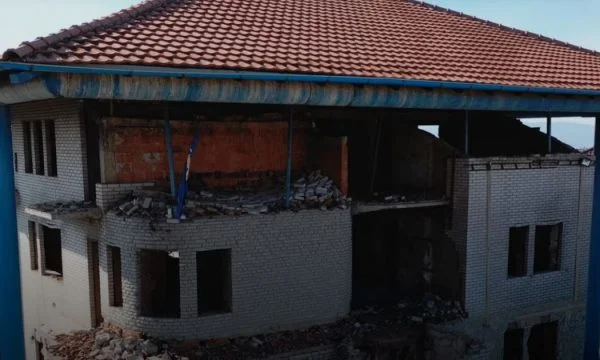
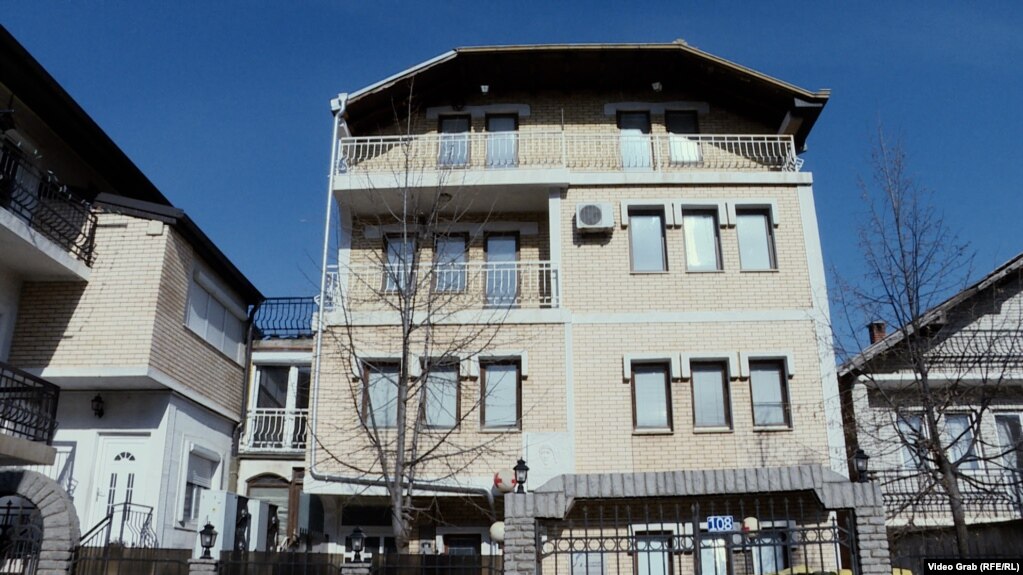
It was in the neighborhood of “The Trima Framework”, at the home of a citizen from Pristina, Shaban Svirica, in 1996 was established maternity ward called “Mother Teresa”.
Over 12,000 children were born here until 1999.
Gynecologist Syheda Latifi-Hoja joined this improvised clinic since the opening. Along with other doctors, she worked for free.
And we haven't seen getting rich at that time, we've been looking to give help”, she says, indicating that the work was done under difficult conditions.
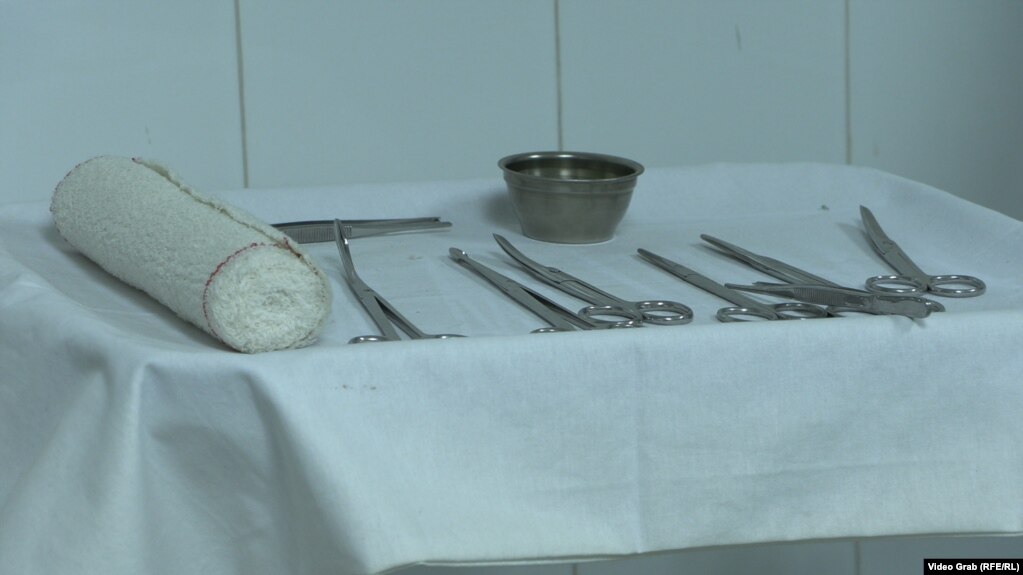
Latifi-Hoja says that given the difficulties in which patients at the time were found, he was able to provide assistance in any form.
I've only been started personally by a principle: God give help. Do your best for the patient, do it wherever you can, if there were any circumstances in the meadow, with two points of ether [the kind of anesthesia] in the nose, a bleeding would stop my wife”, she relates.
The meter remained open until near 1999.
Home schools keeping Albanian education alive
The demand for respect of Serbia's laws from 1989 also affected the field of education.
Albanian school principals and teachers were asked to change plans to date for Serbians.
After refusing to change, even educational staff began leaving work.
Ejup Ajvazi, professor of physics at the former residence in Ferizaj, along with his colleagues had been expelled from school early in 1991.
The Albanian staff of this school had tried for the last time to enter the school on October 16, 1991, but without success.
When we came here [to the high school object], the door was closed, the yard was filled with students”, Ajvazi relates.
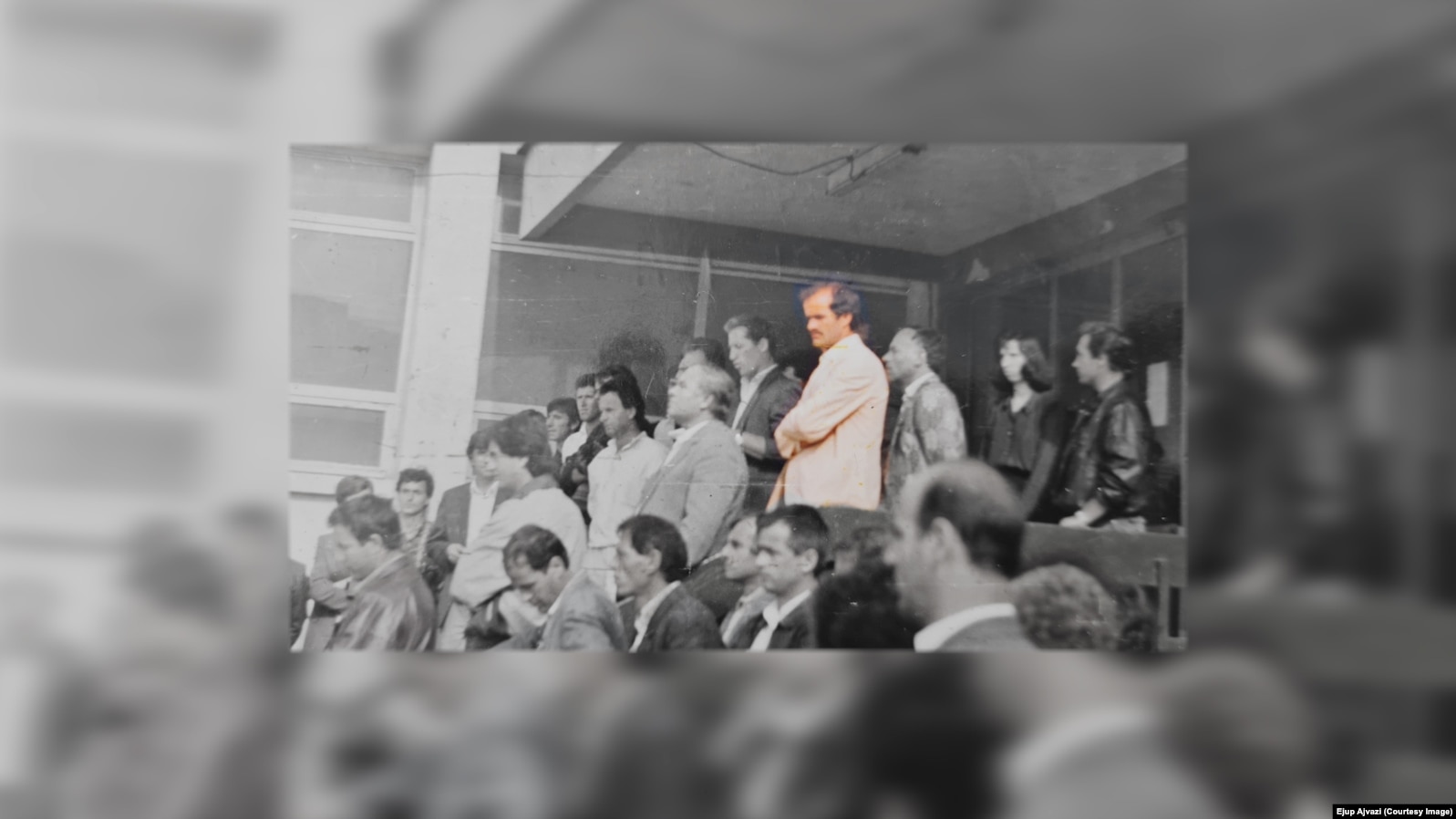
Soon teachers and parents in Ferizaj began to coordinate to find homes and objects that could be converted into classes.
In 1992, Ajvazi began to keep watch on physics several miles away from the school where he had been teaching until then.
The house, that unrecovered world, offered little conditions for normal learning, but according to Ajvazi, “moviti was high”
There were times when [the students] were sitting on the floor, sitting in the blocks, sitting in the bags. Who had bags?
The challenges to developing learning have not been slim.
During the time of home-school instruction, Albanian directors, teachers and students were faced with verbal pressures and various physical abuses.
They have also faced difficult living conditions.
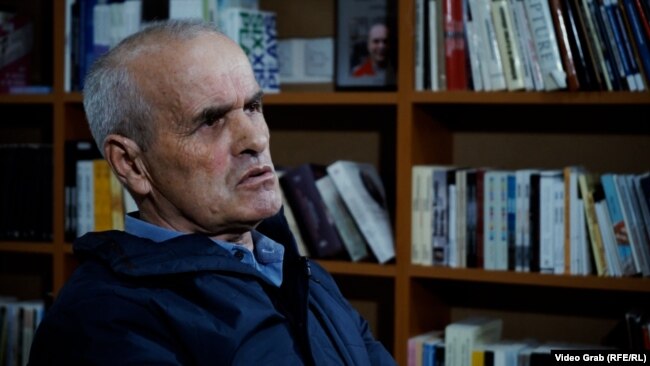
The material side of education workers and all the population has been at the lowest level because, when all the workers left, they were all without pay, and the difficulties have been evident to all the people... So, we've missed everything. We missed our dress, our escape, our missing texts. Someone has missed even the most basic food items”, he relates.
And that didn't just happen at Ferizaj.
The year 1992 marked the general mobilization of many Kosovo Albanians to hold parallel lessons.
That year across Kosovo, students of almost all high schools and university students began to hold lessons in over 3 thousand private objects.
For the next seven years, almost all high schools... 60 out of a total of 66... were functioning in the house-school system.
primary school students continued teaching in school objects, as primary schooling was considered binding on Yugoslav law.
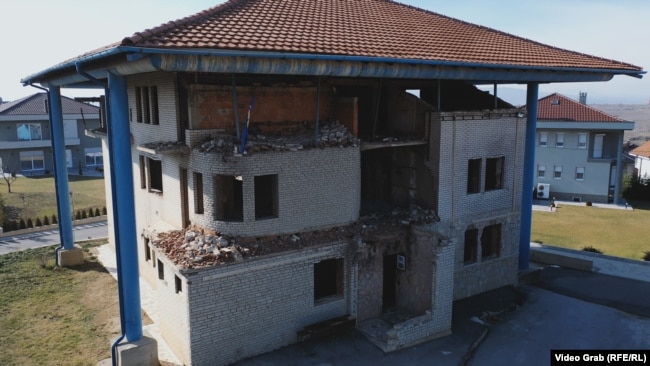
Meanwhile, following the criticism of autonomy, political movements in Kosovo began, including the establishment of the Democratic League of Kosovo, led by Ibrahim Rugova, who would later become president.
In Kosovo, institutions that function parallel and contrary to Serbia's laws were gradually formed, including documents, including diplomas in education, in the name of the Kosovo Republic “”.
This parallel organization of institutions also raised funds, mainly from the Albanian diaspora, which were also used to provide symbolic salaries to educational workers and other parallel institutions.
Ibrahim Berisha, now a professor at the University of Pristina Faculty of Philosophy, was one of the LDK's founders in the early '90s, and directly engaged in maintaining parallel systems.
It shows that Serbian power has consistently made efforts to prevent this form of organisation.
There has been a continuing violence of the Serbian police in all areas, but of course people have also accepted it as a kind of challenge and violence, because of an ideal that has been higher than the suffering and violence that have experienced... It has been active peaceful resistance, which, of course, has preserved many of the essential cores of the functioning of Albanians under very specific”, Berisha tells Radio Free Europe.
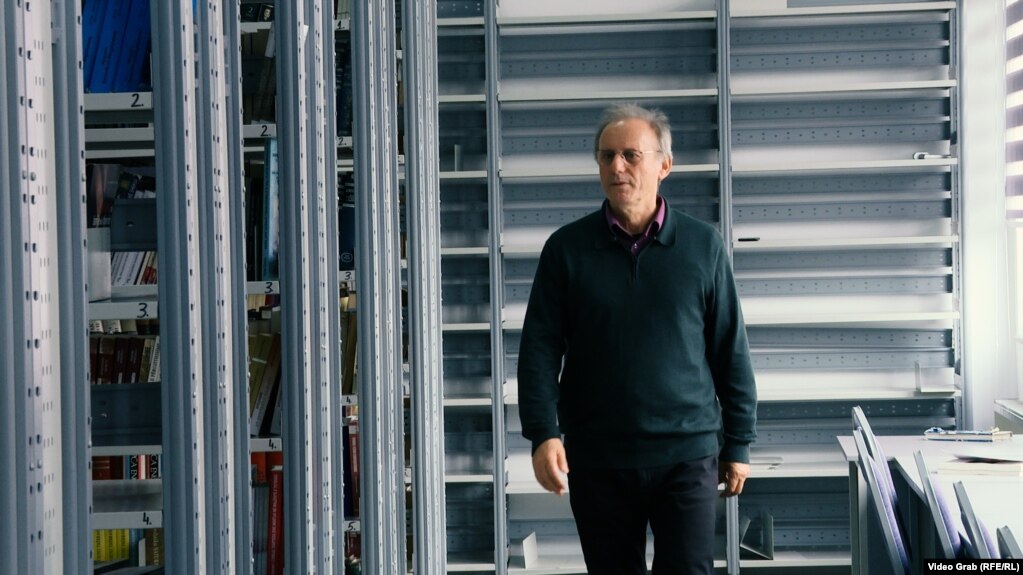
Teaching and diplomas received in parallel education in Kosovo in the 1990s have been recognised as valuable in post-war Kosovo.
I think, without counting the first year and the second, when I can say there's been much missing, success [of learning] has been a victim. Although we have had the most specific lesson in Europe, the motivation, the morality, the commitment... the will has been too great for educational workers, both students and parents”, says Professor Ajvazi.
Mud, professional soccer race guide
Subjection to the Serbian regime was rejected by Kosovo athletes.
Among them was Arbnor Morina of Pristina, who has been involved in football from the age of 9. His professional career began in 1983 at the Pristina club, which competed in the Yugoslav League.
The year 1991 found Morina as captain of the club. But this same year, his career and life, as he had known him, changed.
We are listed along with all of the people and all of those who have been ignored and depressed in the worst way by the then-regard” regime, Morina says.
In 1991, what was called the Football Federation of the Republic of Kosovo, shared by Yugoslavia, was established.
Oppressed by the regime and removed from the stadiums, football games began to be organized in private fields.
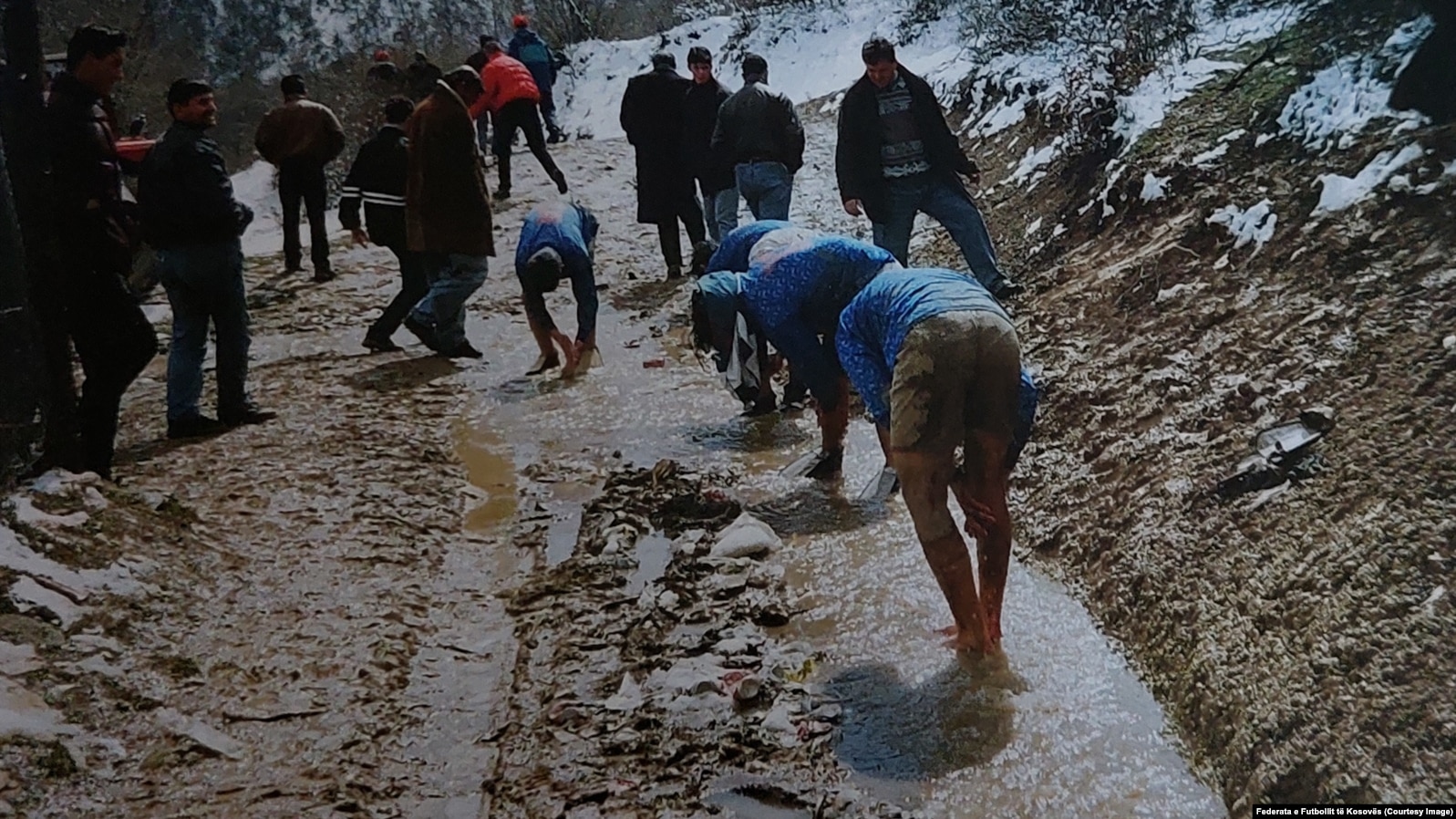
One of them was in the village of Luqar in Pristina.
The best stadiums in the former Yugoslavia, from the best hotels, from superior transportation, from good wages, from good contracts, you get into a whole other reality, where those things you can see only on television, and put in a reality where you should actually play in a field like this... But the field that, again, seemed to be the best in the world, because it was our”, says Morina.
However, as he recalls, there have been times when motivation became difficult, as this life was continuing for years.
There were many moments when, in fact, we sat after a fight and said, "You know what? Stop it, we can't keep going like this because we're tired. It was really hard. There have been moments when he takes it and throws the whole bag of equipment down the stairs and says I don't come back. The next day, however, you still wake up about your friend coming up and saying: "Come on, we have a” training," explains Morina.
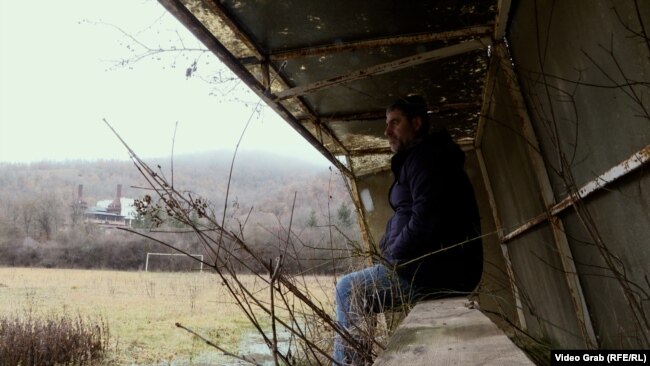
Kosovo football, that world, in addition to fighting under difficult conditions, had no international penetration, due to the political situation in Kosovo.
But, the public's interest, according to data from the Kosovo Football Federation, was great. According to the SFF, in a match held in the village of Hogosht in Kamenica in November 1996, 10,000 viewers had gathered record numbers for the time.
Morina did not part of football after the war, when she engaged in various forms, even as a coach.
He today is the coach of the national of Kosovo for players under the age of 17.
Professor Ejup Ajvazi continued his professorial work until 2016.
While gynecologist Latif-Hoja continued her career after the war. After being retired from the University Clinical Centre of Kosovo, she continues to work and today as a gynecologist at a private hospital in Pristina.
On February 17th, 2008, Latifi-Hoja assisted in the birth of the first child after the act of Kosovo's declaration of independence, which took place on the same date.
For the doctor, talking to the mother of Independence, Joy Sopanin, is something he'll remember for a long time.
I said congratulations, Miss Independence. He said, thank you, was it announced? I said yes, independence, but this girl's name is Independence. [ I said] I and your daughter earned the identity of citizenship. So this was born in Kosovo state, but I gained the identity with it at a age of 50 and a few,”, relates Syheda Latifi-Hoja.