12 minutes ago
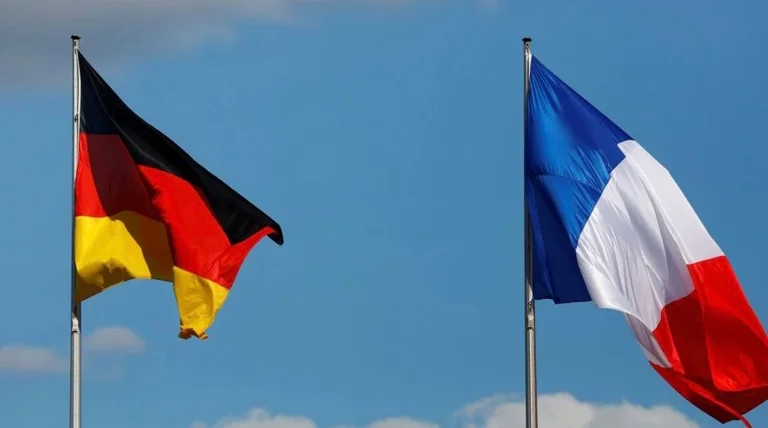
The letters ʹfranko-Germane arrive at the presidency for the anniversary of independence with synchronized message for dialogue
Periskopi(3 years ago)
(3 years ago)The leaders of France and Germany have said that dialogue between Kosovo and Serbia, mediated by the European Union, is essential on the road to Pristina and Belgrade towards the European bloc. So it was said in separate letters that French President Emmanuel Macron and German Frank Walter-Steinmeier have sent to their Kosovo counterpart, Vjosa Osmani, [...]
The leaders of France and Germany have said that dialogue between Kosovo and Serbia, mediated by the European Union, is essential on the road to Pristina and Belgrade towards the European bloc.
So said in separate letters that French President Emmanuel Macron, and German Frank Walter-Steinmeier, have sent to their Kosovo counterpart, Vjosa Osmani, for the 15th anniversary of Kosovo's declaration of independence.
In his letter to Osman, Macro stressed the need to restart talks within Brussels' dialogue.
“is essential to resume discussions on normalising relations between Kosovo and Serbia, which is the central element for the European perspective of the two countries and for ensuring the stability of the region and the European continent. We expect the two countries to fully engage in the facilitated dialogue by the European Union”, Macro wrote.
Meanwhile, Steinmeier said Germany supports Kosovo's European perspective, but added that dialogue with Serbia remains the key “fides” for Kosovo.
The “Dialogue with Serbia, led by the EU, remains a fundamental challenge for your country in terms of normalising relations with the two countries and promoting sustainable regional security and stability. How important the commitment of both sides to the talks is, this has recently shown the recent tensions. Also, the readiness of both sides for constructive co-operation and a peaceful co-existence remains essential for the road to the EU”, he said.
Kosovo and Serbia hold dialogue on normalising reports since 2011. Recently, the parties have accepted the European proposal, originally known as the Franco-German proposal for normalisation.
This document has not been made public. But in a draft in which Radio Free Europe has had access there is not specifically cited as recognition, but are set forth equal rights for Kosovo and Serbia, respect for territorial integrity, the invisibility of borders, recognition of state symbols and a special arrangement for the Serb community in Kosovo.
The dialogue process, mediated by the EU, is aimed at fully normalising the reports through a final agreement. But the parties have different positions on this agreement. Kosovo insists that the agreement should include mutual recognition, but Serbia insists on a compromise solution, without showing what compromise it is about.