8 minutes ago
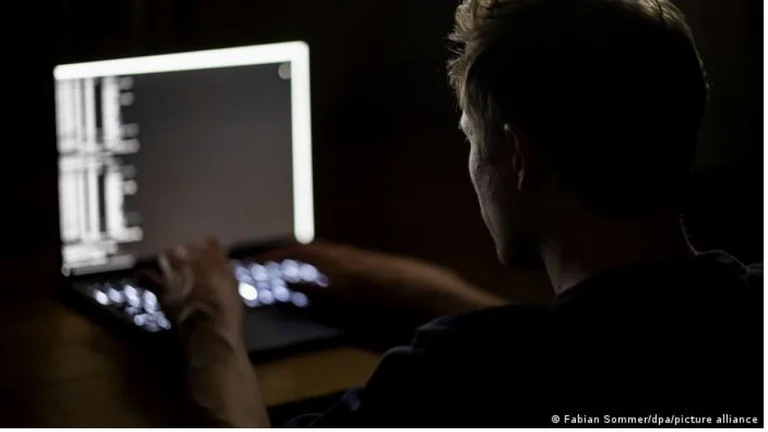
A global wave of hackers hits Germany
Periskopi(3 years ago)
(3 years ago)A global wave of cyberattacks has paralyzed businesses and German institutions. According to the competent federal office, hundreds of enterprises may have been affected. A software update can close the problem. German companies and public institutions have also suffered damage to a global wave of wide-scale cyber attacks with computer blackmail programmes. “According to [...]
German companies and public institutions have also suffered damage to a global wave of wide-scale cyber attacks with computer blackmail programmes. “According to current knowledge, it seems there is an average three-way number of affected in Germany,” said the Federal Information Security Office (BSI) in Bonn at the request of the dpa news agency. It cannot yet be discussed specifically the extent of the damage.
On Sunday, Italian cyber security authority ACN had already warned of this wave of attacks. The cyberattack paralysed the websites of several organisations and institutions there. The ACN has urged companies to take steps to protect their systems.
The hackers program has used a security breach
According to BSI, the attacks focused on France, the United States, Germany, and Canada. Other countries are reportedly affected. In so - called ransomware attacks, hackers access systems, control and calculate data. The data then is generally coded and made accessible only after paying a reward.
Cyberattacks have a particular virtualization solution for users VMWare, called server ESXI, which divides a physical server into some virtual machines.
According to BSI, the security defect in the VMWare software was shut down in February 2021 with an update of the programme. The authority is also said to have warned at the time against exploiting shortcomings in question.
Data subject must verify safeguards
Rüdiger Trost, head of cyber security solutions at the IT security firm WithSecure, said that around 84,000 servers with affected software were installed worldwide, and some 7,000 of them are in Germany. However, it is impossible to say who are still vulnerable.
The expert recalled that the security defect had been detected and closed recently. “those who are still victims must check their defence measures”. Particularly, according to him, is that in the current case, the attack is not directed against Windows software, but against a solution that functions in the Linux operating system. There is no such thing as “Many people wrongly believe that the sandsomware for Linux does not exist and give up relevant safeguard clauses,” said Trost. /dw