2 minutes ago
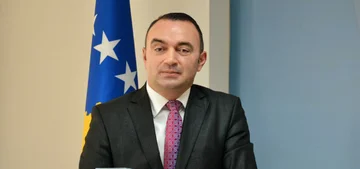
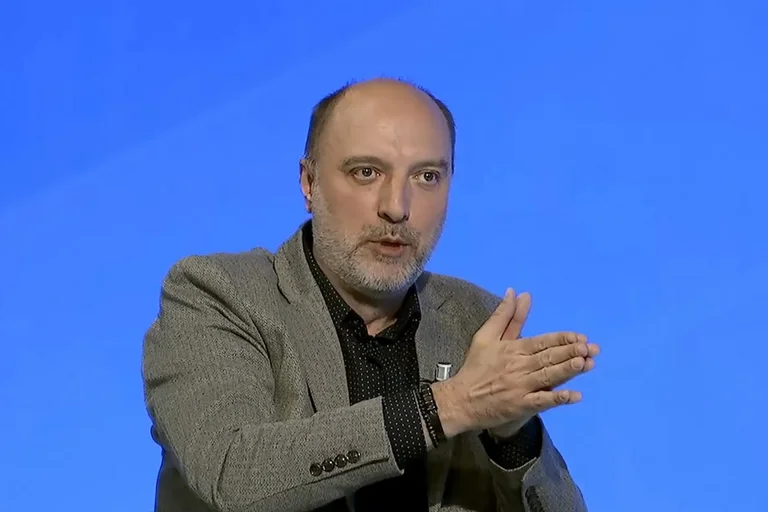
INT ERVIEW/ Visar Ymeri: Kurti accepted an autonomy level for Serbs in Kosovo
Periskopi(3 years ago)
(3 years ago)“There is a deliberate spin that is making the LVV deal last night”, says Visar Ymer in an interview for Periscope and continues on: “So they are aiming to cover up the fact that a level of autonomy for Serbs in Kosovo is accepted by Kurti with the principle of the European Plan, using formalism and [...]
“has a intentional spin that is making LVV Last night's deal.e”, says Visar Ymer in an interview for Periscope and goes on like this:
So they are aiming to cover the fact that a level of autonomy for Serbs in Kosovo has been accepted by Kurti with the principled adoption of the European Plan, using superficial formalisms and techniques as if lack of the word Association in the agreed text. It's been the core of the problem, you say, x1.
In the interview below, read Mr. Star for Periscop, in some questions about last night's Kurti Vuciq meeting in Brussels and reconciliation to move on with the European plan.
- Full interview
PERISCOP: After last night's meeting Kurti Vuciq, in a part of Kosovo's opinion, the impression was created as if Kurti has not signed a harmful agreement on Kosovo. In a word: last night's meeting was seen as a victory for Kosovo. Is this a misunderstanding or a misinterpretation (or both)?
V I SAR YMER: There's a deliberate spin that's making the LVVV deal last night. So they are aiming to cover the fact that a level of autonomy for Serbs in Kosovo has been accepted by Kurti with the consent of the European Plan in principle, using superficial formalisms and techniques as if lack of the word Association in the agreed text. It was the core of the problem. Last night's agreement contains the compromise that Kurti has accepted in exchange for the advantages this agreement creates for Kosovo. In this direction it cannot be said that Kosovo gains nothing. The confirmation of Kosovo's international subjectivity is advanced through this agreement. But the problem with that is, however, that the agreement at this point is generalised and at the level of commitments by third parties (Kosovo partner states that sponsor dialogue but are not parties on it). While the compromise Kosovo will make has even certain concrete forms and specific implementation deadlines.
PERISCOP: What are the problematic parts of the European plan? Due to estimates, is autonomy cited for the Serb community, the status of the Serbian Orthodox Church? What can you tell us more about these, referring to the plan/agreement but also to other parts of it?
V I SAR YMER: Point 7 is what awakens most curiosity raises questions. So what will be the appropriate level of self-awareness for the Serb community in Kosovo and what does the formalisation of the status of the Serbian Orthodox Church mean. Also problematic, though perhaps symbolic, is Preambula, and especially the part that well understands the different position of parties on issues such as status. This point was to be rejected by Kurt. Its removal would not change the contents of the Agreement at all, but on the other hand would not force Kosovo to express consensus in writing for not recognising Serbia. I also think Kurt would have to insist on the agreement that has mutual recognition as an integral part of it.
PERISCOP: Since the establishment of association, Kosovo has been made urgent by the international community, Prime Minister Kurti has meant that it can be done urgently, referring to the hierarchy of agreements. Do you think the fact that there was no signing in the agreement last night in Brussels was this? So that Serbia requires this hierarchical collapse of agreements to have the Association first, meanwhile Kurti refuses.
V I SAR YMER: It is clear that the disagreement last night stems from the differences the parties have in relation to the time when the association and responsibility that Kosovo receives from the agreement should be spoken and implemented. But the EU as mediator has seen these things happen within a sequence plan and parallel dialogue. Instead of the “immediately the Association and then the European Plan” that Vuciki is looking for and at the next “the European Plan and then the association” that Kurti is looking for, The EU has proposed that both be discussed at the same time, and that each in phases of implementation is interlocked.
PERISCOP: Are there benefits from this plan and what are they?
I think the benefits for Kosovo are of the nature of membership through international structures and organisations. Even though the agreement directly does not guarantee that, through the Kosovo Agreement, Kosovo wins a new set of international support for membership. This is not a small benefit. It remains unclear whether this agreement will pave the way for the change in approach EU countries are not aware of Kosovo. Would this agreement, for example, enable recognition by these five countries, or some of them? That remains a question since this thing can formally not cover the agreement, and already we do not know whether it has advanced and to what extent has advanced lobourism in these countries for recognition. In this direction also the question that remains important but without answer is: how this agreement contributes to Kosovo's travel towards NATO and the EU.
V I SAR YMER: How do you assess the findings that with the European plan, dialogue lasts another 10 years?
The plan envisions continuing dialogue. The question is what dialogue. So there are many areas in which Kosovo and Serbia should and co-operate, and this is the issue of agreements. But these agreements should be regional and not necessarily bilateral so dialogue and dialogue will be present, but with different character states, and especially neighbouring states, are in a permanent state of dialogue. But this dialogue, like the one that started in Brussels in 2011 and which is expected to end this year, should no longer have to continue. Kosovo's recognition by Serbia appears to have been set aside for the time when Serbia approaches EU membership. Kosovo must insist that this phase of dialogue and agreement that is reached is final. The recognition comes as an obligation Serbia faces EU policies, not as the new dialogue with new concessions from Kosovo.
PERISCOP: What is expected of the next meeting, Kurti Vuciq, who was warned about mid-March?
V I SAR YMER: According to Mr. Borrell last night at the next meeting is expected to finalise the implementation framework of the agreement, which is an integral part of the agreement, the reason for not signing last night seems to have been at odds with the implementation calendar, and this is expected to be finalised on March 18th. /Interviewed: Dafina Demaku/Periscopi/