10 minutes ago
Biden gives strong support to Moldova too: Support for Territorial Sovereignty
Periskopi(3 years ago)
(3 years ago)The president of the United States, Joe Biden, met in Poland with his Moldovan counterpart, Maya Sandu, at the time of growing concerns that Moldova may be Russia's next target after Ukraine. The White House said after this meeting that Beden “freed strong support for the sovereignty and territorial integrity of [...]
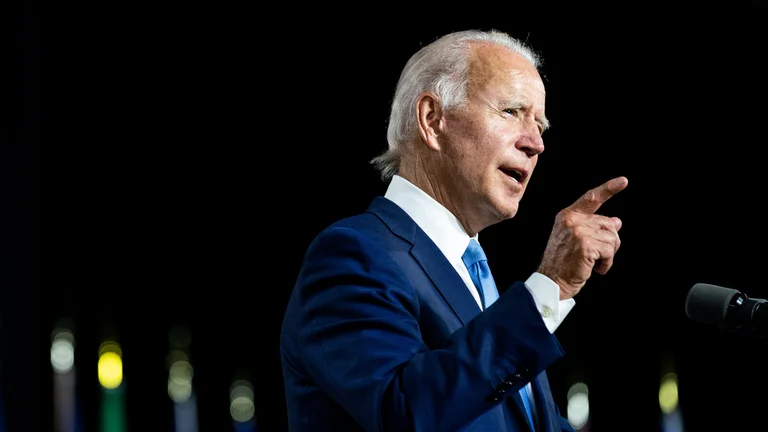
The president of the United States, Joe Biden, met in Poland with his Moldovan counterpart, Maya Sandu, at the time of growing concerns that Moldova may be Russia's next target after Ukraine.
The White House said after this meeting that Beden “riefrelied strong support for Moldova's sovereignty and territorial integrity” during its 21 February meeting with President Sandu.
Beden has stressed Washington's “efforts to help Moldova strengthen its political and economic stability, including in the agenda of democratic and energy security reforms and address the effects of Russia's fight against Ukraine”, the White House said.
Sandus' office has not yet reacted to this meeting.
Sandu has been a consistent, pro-European Union voice on Moldova's political scene, and the new pro-Western government, led by Prime Minister Dorin Recean, was sworn in last week.
Sandu has repeatedly accused Moscow of seeking to destabilise its state and has recently called on the West to give weapons for the protection of Moldova, a state that is not in NATO, but is a candidate state for EU membership.
Russia has about 1,100 troops in Soviet weapons depots located in the Transnistor region in Moldova.
Sandu has also demanded that Russia withdraw troops, and Recean has also reiterated calls for the withdrawal of Russian troops.
In response, the Kremlin called on Moldova to be careful with statements concerning Russian forces.
Moldova shares 1,200 miles [1,200 km] of border with Ukraine.
Last week, Sandu suggested, along with charges made by Ukrainian President Volodymyr Zelensky, that there is a Russian plan to organise a coup in Moldova. This plan, according to her, is meant to disguise itself after opposition protests in Moldova.
Russia has denied it is planning to destabilise Moldova, saying these claims “are completely groundless and unstable”.
The US State Department said reports concerning the plan have not been independently confirmed. However, The UN said this “is not outside Russia's behaviour and we absolutely stay with the Moldovan government and the people of Moldova”.
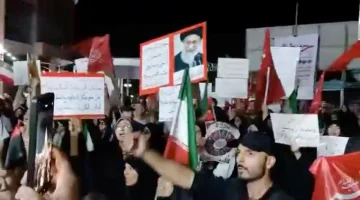
There have been protests against Sandus and the pro-Western Moldovan government in Moldova. Thousands have participated in the protests organised by the Party of Shor, which is linked to Russia, and led by fugitive politician and businessman Ilan Shoor.
On February 10th, Russia launched a missile that went through Moldova's airspace and ended up in Ukraine. After this incident, Moldova called the Russian ambassador into informative conversation.
The Transnjester region, inhabited mainly by Russian-speaking residents, has declared independence from Moldova in 1990, while Moldova has voiced fears that this region will seek to join Romania, the state with which it shares history and language.