2 minutes ago
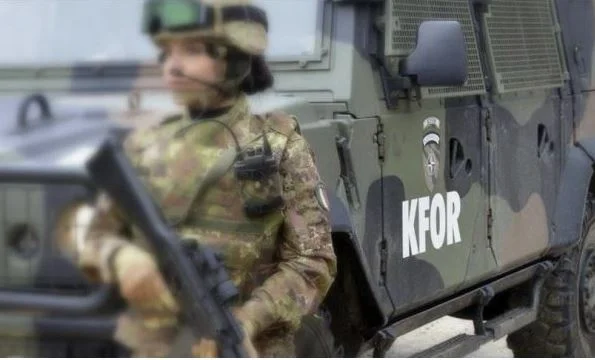
KFOR duplicates its presence north, Ulustas: NATO Firm for stability in region
Periskopi(2 years ago)
(2 years ago)KFOR Commander Ozkan Ulutas says they have fourfold the number of troops in the north following the September 24th Serbian aggression in Zvecan Banjsk, where police sergeant Africa Bulnjak was killed. In the interview for Kosova Preiss, Ulutas quietly recognises the situation in the north of the country, but notes the same continues to be [...]
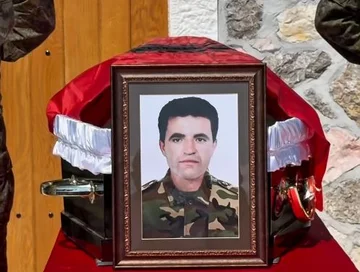
KFOR Commander Ozkan Ulutas says they have fourfold the number of troops in the north following the September 24th Serbian aggression in Zvecan Banjsk, where police sergeant Africa Bulnjak was killed.
In the interview for Kosova Preiss, Ulutas quietly recognises the situation in the north of the country, but notes the same continues to be fragile.
He praises close co-operation with Kosovo Police and EULEX, until he says KFOR continues to operate as the third security responseer.
“We will continue our efforts to prevent any escalation and we are willing to respond to any challenge, adapting our position as necessary, and continuing close co-operation with the Kosovo Police and EULEX”, he says in the written interview for KosovaPress.
Full interview with KFOR commander Ozkan Ulustas:
KP: What can you tell us about the situation in Kosovo following the September 24th aggression in Zvecan Banisk?
Uluta: Generally, the situation on the ground is calm but fragile. We are closely following every important security development. After an increase in tensions in recent months, NATO has deployed 1,000 additional troops and heavier means. We have quadrupled KFOR's presence in northern Kosovo and tripled the number of patrols, including along the administrative border line. These are prudent steps to ensure that KFOR's mission has the necessary resources.
We have a flexible and flexible attitude throughout Kosovo that allows us to respond to each scenario, fully respecting our UN mandate. KFOR is focused on implementing its UN mandate based on UN Security Council Resolution 1244 in 1999 to ensure a safe and secure environment for all people living in Kosovo and freedom of movement at any time and impartially.
KP: Is it ready KFOR respond to any outside threats?
Uluta: NATO has deployed additional reserve forces with additional capacities in Kosovo, following recent tensions, in order to fulfil its UN mandate and prevent any further action. Our mission's power is currently about 5,000 troops, with contributions from 27 countries, including NATO allies and partners. KFOR's mandate is clear based on UN Security Council Resolution 1244; provide a safe and secure environment for all people living in Kosovo, and freedom of movement.
KFOR continues to operate as the third security responseer, behind the Kosovo Police and the EU Law Rule Mission (EULEX), with which we co-operate closely.
KP: Recently, heads of state have warned that Serbia is preparing for new “attacks. Such warnings have been made by British MP Alicia Kearns for the arming of Serbs in Kosovo through monasteries. Are there other occasions? Do you have such information? How do you see the delocation of Serbia's additional troops near the border with Kosovo?
Uluta: I won't speculate about any future scenarios. We will continue our efforts to prevent any escalation and are willing to respond to any challenge, adapting our stance as necessary, and continuing close co-operation with the Kosovo Police and EULEX.
Our main focus is on implementing our UN mandate to ensure a safe and secure environment for all people in Kosovo; at any time and impartially.
KP: Can you tell us more about co-operation with KSF?
Uluta: KFOR regularly and transparently communicates with all concerned international and local parties, and constantly praises the security situation in Kosovo.
We are in close contact with institutions in Kosovo and with Kosovo security organisations, as well as with the Serbian defence chief. This is important to avoid misunderstandings, especially in times of crisis and when tensions are high.
As clearly stated by Secretary General NATO during its recent visit to Pristina, “any deployment of the Kosovo Security Force to the north of Kosovo requires KFOR's consent”. Secretary - General NATO also stressed that “We expect consultations on any action of the Kosovo Security Force or the Kosovo Police that could affect regional security”. I rely on all my counterparts to continue our regular co-operation on these important issues.
KP: NATO is considering the long-term increase of the peacekeeping contingent in Kosovo. How long can you tell us about this?
Uluta: For more than two decades KFOR has maintained a safe and secure environment for all people in Kosovo, and freedom of movement, in accordance with our UN mandate. Decades of hard-earned peace should not be endangered. NATO's commitment to KFOR remains strong today.
This was reaffirmed in a loud and clear voice by the Secretary General NATO, Jens Stoltenberg, during his last November trip to Kosovo, Bosnia and Herzegovina, Serbia, and Northern Macedonia. That trip was actually another concrete demonstration of NATO's steadfast commitment to stability in the region.
KFOR has consistently proved that it is able to adapt to different challenges and changes in our operational environment, thanks to a flexible, flexible and visible attitude throughout Kosovo. Our mission has always been based on conditions and not on plans, which means that any change in the number of personnel or KFOR stands will be based on an assessment of the conditions on the ground followed by a decision by the North Atlantic Council, the decision-making body NATO.