2 minutes ago
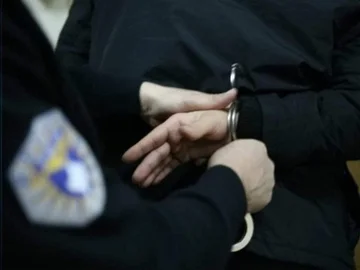
What after the international arrest of Radochiki?
Periskopi(3 years ago)
(3 years ago)So far, official Belgrade has not responded to the news that Milan Radojici has been issued a warrant for the arrest by the International Police Agency (INTERPOL), due to the attack of an armed group, against the Kosovo Police in Banjska in Zvecan. News of this warrant has confirmed Radio Free Europe (REL), the minister for [...]
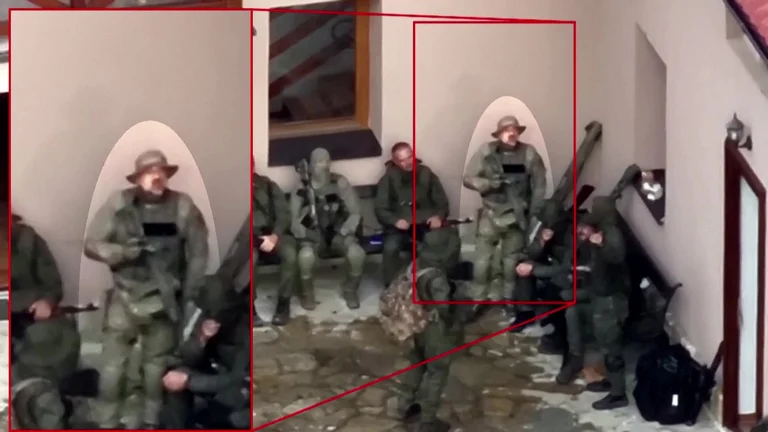
So far, official Belgrade has not responded to news that against Milan Radojici The warrant has been issued. from the International Police Agency (INTERPOL), due to an armed group's attack on the Kosovo Police, in Zvecan Banisk.
The news on this issue has confirmed for Radio Free Europe (REL), Minister for Communities and Return to the Government of Kosovo, Nenad Rassic, saying the arrest speech was issued at the request of the Kosovo Ministry of Internal Affairs, through the United Nations Mission (UNMIK).
INTERPOL did not specifically confirm claims of issuing a warrant.
In their response to the REL, they said the question should be referred to “competent national authorities”.
Neither the Ministry of Justice nor the Ministry of Internal Affairs of Serbia answered REL questions about the warrants until the release of this article.
The answer has not come from Serbia's Government and Presidency either.
Milan Radoicic, former deputy chairman of the Serbian List, the largest party of Kosovo Serbs, supported by official Belgrade, claimed responsibility for the attack on Banjska, in northern Kosovo, on 24 September, where Kosovo police official Africa Bulnjak was killed.
In exchange for the high fire between the Kosovo group and police, three members of the armed group have been killed.
Kosovo authorities claim that following the attack on Banjska lies the state of Serbia, the claim that Belgrade denies official.
Is Radojchi's extradition possible?
Serbia is not obliged to arrest and extradite Milan Radocicin because it speaks of the arrest of INTERPOL is an announcement to the member states of that international police organisation, that another country is looking for a person, explains REL, Bojan Ellek from Belgrade's Centre for Security Policy.
As he says, he speaks of arrest -- first of all -- could prevent Radociqi from travelling outside Serbia, mainly in countries that have good bilateral relations with Kosovo, as they can act on the warrant and arrest it.
The arrest of INTERPOL is implemented because member states operate according to internal legislation, and under domestic legislation, Serbia does not recognise Kosovo and has no extradition agreement”, Ellek says.
He also stresses that Serbia will certainly not act on the warrant, as institutions in Belgrade are also conducting procedures against Radojici.
“Potentially, it could be a problem if Serbia does not lead that investigation properly and if it does not communicate actively, because there are recommendations from the European Union, even from the Secretary General NATO, when it came to Belgrade, insisted that Serbia implement the investigation of Banjska”, Ellek says.
Serbia's competent authorities detained Radoichi, on October 3rd, in Belgrade on the charge of “joining with the aim of committing criminal acts, production, ownership, possession and trafficking of firearms and explosive materials, and serious crimes against overall security”.
However, the following day, he was released, provided he did not leave Serbia, and was prevented from going to Kosovo.
Days after the attack, Kosovo police found a large arsenal of weapons in Banjska.
Serbia's president, Aleksandar Vuciq, in an interview for the weekly NIN magazine, published on December 7th, has reiterated that Radoic “will face serious procedures in Serbia”.
According to Bojan Elek, it is unrealistic to expect the public in Serbia to learn more about the procedure against Radojici by the High Public Prosecutor in Belgrade.
I find this procedure aimed, first of all, at denying or testifying that Serbian institutions have not been involved in that incident, and that it is in fact unwilling or unwilling to investigate all the details or seriously follow Radocycin”, Elec believes.
Extraditing Process
The extradition procedure in Serbia is regulated by the Law for International Juridical Assistance in Criminal Affairs.
Article 18, says that with the request for extradition, the Justice Ministry submits the request to the court “in whose territory it resides, or is found the person required to extradite”.