8 minutes ago
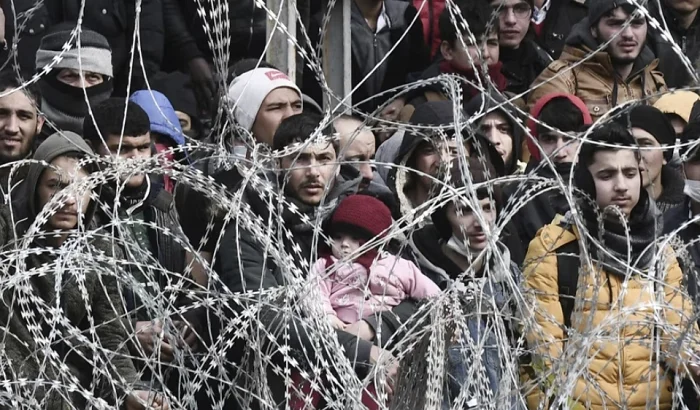
EU countries agree to toughen asylum rules
Periskopi(2 years ago)
(2 years ago)European Union member states and the European Parliament have agreed to toughen asylum procedures, within European reform for the asylum system. The aim of the agreement is to reduce the rate of migration to the EU. We've come a long way to get here. But we did it. Europe is finally [...]
European Union member states and the European Parliament have agreed to toughen asylum procedures, within European reform for the asylum system.
The aim of the agreement is to reduce the rate of migration to the EU.
We've come a long way to get here. But we did it. Europe is finally committed to migration”, European Commission Vice President Margaritis Schinas has said in an X post on the platform known so far as Twitter.
European Parliament President Roberta Metsola has said that this Wednesday day “will go into history”.
The day when the EU has reached agreement on new rules of migration management and asylum”.
The reform has been discussed since 2015, when a record number of migrants have reached the EU.
Although right-wing states, like Hungary, have been at the benefit of rigidising current rules, aid organisations and leftist political parties in Europe, have expressed concern for human rights degradation.
Reform “will ensure that there is effective European response to this European challenge”, European Commission chief Ursula von der Leyeen has said.
This means that Europeans will decide who comes to the EU, and who can stay here, not smugglers”, she has said.
The reform envisions stricter rules for people who reach EU territory from countries considered relatively safe.
Until a legal decision is made for them, asylum seekers will be accommodated in some centers under strict rules.
German Chancellor Olaf Scholz has welcomed the reform and has said it will stabilise the situation in several states.
This agreement would limit illegal migration and ease the burden in some countries that are particularly affected, including Germany”, he has said.
For the first time, EU countries will be obliged to participate in the so-called solidarity mechanism to disperse migrants.
This means that if a state refuses to receive refugees, then that country should offer support to other countries in another way, example, through financial compensation.
The agreement still needs to receive final confirmation at the plenary session of the European Parliament, and to be signed by EU member states, the process considered extremely formal.