12 minutes ago
This is the investigative report for the attack on Banjska, which “The EU rejected”
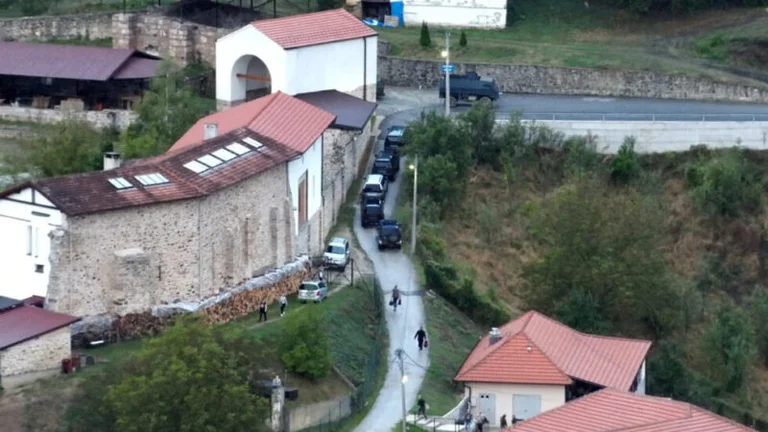
Periskopi(3 years ago)
(3 years ago)Serbia's President Aleksandar Vuciq and Serbian security structures are involved in Serbia's paramilitary aggression in Kosovo, according to the Kosovo Government's preliminary investigative report about the events of 24 September. Serbia's President Aleksandar Vuciq and Serbian security structures are involved in Serbia's paramilitary aggression in Kosovo, according to the report [...]
Serbia's President Aleksandar Vuciq and Serbian security structures are involved in Serbia's paramilitary aggression in Kosovo, according to the Kosovo Government's preliminary investigative report about the events of 24 September.
Serbia's President Aleksandar Vuciq and Serbian security structures are involved in Serbia's paramilitary aggression in Kosovo, according to the Kosovo Government's preliminary investigative report about the events of 24 September.
This report, which Paparac has secured, has been prepared on October 20th of this year, almost a month after the terrorist attack on the Zvecan Banjska.
The report outlines the ties of Milan Radojciqi, the Serbian chief terrorist, with Aleksandar Vucinqi's regime.
“Sic is shown in this report, Radoic is deeply embedded in Serbia's state security structure, ranging from police to army and intelligence services at different levels of the command chain”, Paparaci reported. “This is not possible without knowledge, consent and protection of the highest levels of the Serbian state”.
According to the report prepared by the Government of Kosovo, Vuciqi has prepared a scenario in which an emergency intervention by the Serbian Army in Kosovo would be required “. He has done so through the establishment of the military in the highest military readiness, but also by propaganding the alleged difficult Serb situation in Kosovo.
“In preparation for such a scenario, Vuciq often uses hate speech campaigns and demeans the situation of Serbian citizens in Kosovo. He has used derogatory terms to describe political figures in Kosovo, including Prime Minister Albin Kurti, and has allowed his media to use insults targeting Albanian ethnicity”, the report says.
The report also contains evidence of the terrorist group's organisation and logistics, led by Milan Radojciq.
Evidence of Serbia's paramilitary aggression and involvement of Milan Radojciqi in events on September 24th
For this report, Democratic League of Kosovo deputy leader Lutfi Haziri said on Thursday that he was rejected by the European Union.
On RTV Dukagjin's show, Haziri said the part that was prepared by police legal experts has been professional, but the rest when political parts are introduced has prevented the report from being accepted.
The fact that our report is on the table itself, but it's not taken seriously when it's seen what it makes. If you get it and read the police section, the expertise is professional. When they introduced political reports...”, he said.
LDK's number two said it was Kosovo's golden opportunity if they were to allow people who have carried out the operation in Banjska, also conducted investigations and compile a report that, according to him, would be accepted by internationals.
Part of the report:
Final Report
Initial analysis of Serbia's paramilitary aggression against Kosovo
Based on the evidence collected, the following key elements can be discovered at this stage:
Banjska's attack on 24 September 2023 was carried out by a paramilitary group that was recruited, trained and specifically assigned to that end, equipped with heavy weapons secured by the state of Serbia. The paramilitary group acted under the operational command of Serbian government structures, the Serbian Army and intelligence agencies respectively.
The aim of the attack was to promote a broader conflict and escalation, causing significant damage to the state structures of the Republic of Kosovo, including loss of lives. This included challenging, threatening and potentially killing members of the international KFOR peacekeeping force, as well as members of the Kosovo Police. The intentional murder of Kosovo police Mr. Africa Bulnjak and attempts to kill other policemen illustrate the ruthless brutality with which the strategy was implemented. It is clear that if plans for expanding the conflict were realised, KFOR and other international security personnel would be involved.
The location of the monastery and the way the operation was planned and executed leaves no doubt that the count of the victims during a police operation against terrorists at a Serbian Orthodox Church monastery in Kosovo was intended to contribute to the pretext for a military intervention to allegedly save Kosovo Serb citizens and pilgrims from Serbia.
Evidence confirms that the chain of command of this operation originated in Serbia's state structures, making the attack an act of aggression against the territorial integrity of a neighbouring country. Any possible involvement by the state of Russia through its intelligence officers and other state actors within Serbia and the Serbian security structure is still subject to further investigations. The use of force from Serbia against Kosovo, incubation on its territory, and the killing of security personnel with plans to expand the area of the operation, along with the involvement of international peacekeepers in potential clashes with military equipment, constitutes a crime under international public law. Serbia's president and his security structures are responsible for this crime.
The provisional inability to prosecute paramilitary members of the terrorist group as a result of Serbia's refusal to extradite them promotes impunity of crimes and constitutes a violation of international criminal law, which could serve as a freedom of action for undertaking new attempts at terrorist paramilitary attacks, even in the near future.
In addition to operational and organisational support, Serbia's leadership continues to fuel conflict in Kosovo, until an armed uprising. This aggression, through propaganda and the obligation of the population in the northern part of Kosovo, was destroyed only after the failed operation. President Vuciq addressed Kosovo Serb citizens, suggesting that the time will come for them to leave Kosovo “with tractors”. These warnings are absolutely fabricated and are aimed at further escalation of the situation until armed rebellion against Kosovo's democratic institutions. To keep open the possibility of a Kosovo military invasion at all times, Serbia is keeping up to 48 bases “ahead of its army” near the Kosovo border. To strengthen preparations for war, Vuciq is organising murals and large X-rays throughout Serbia, promoting the slogan “When our army returns to Kosovo” The general propaganda in Serbia for a future war has reached unprecedented levels even compared to the persistent language of hatred promoted by the aggressive, nationalist Serb leadership through its media.
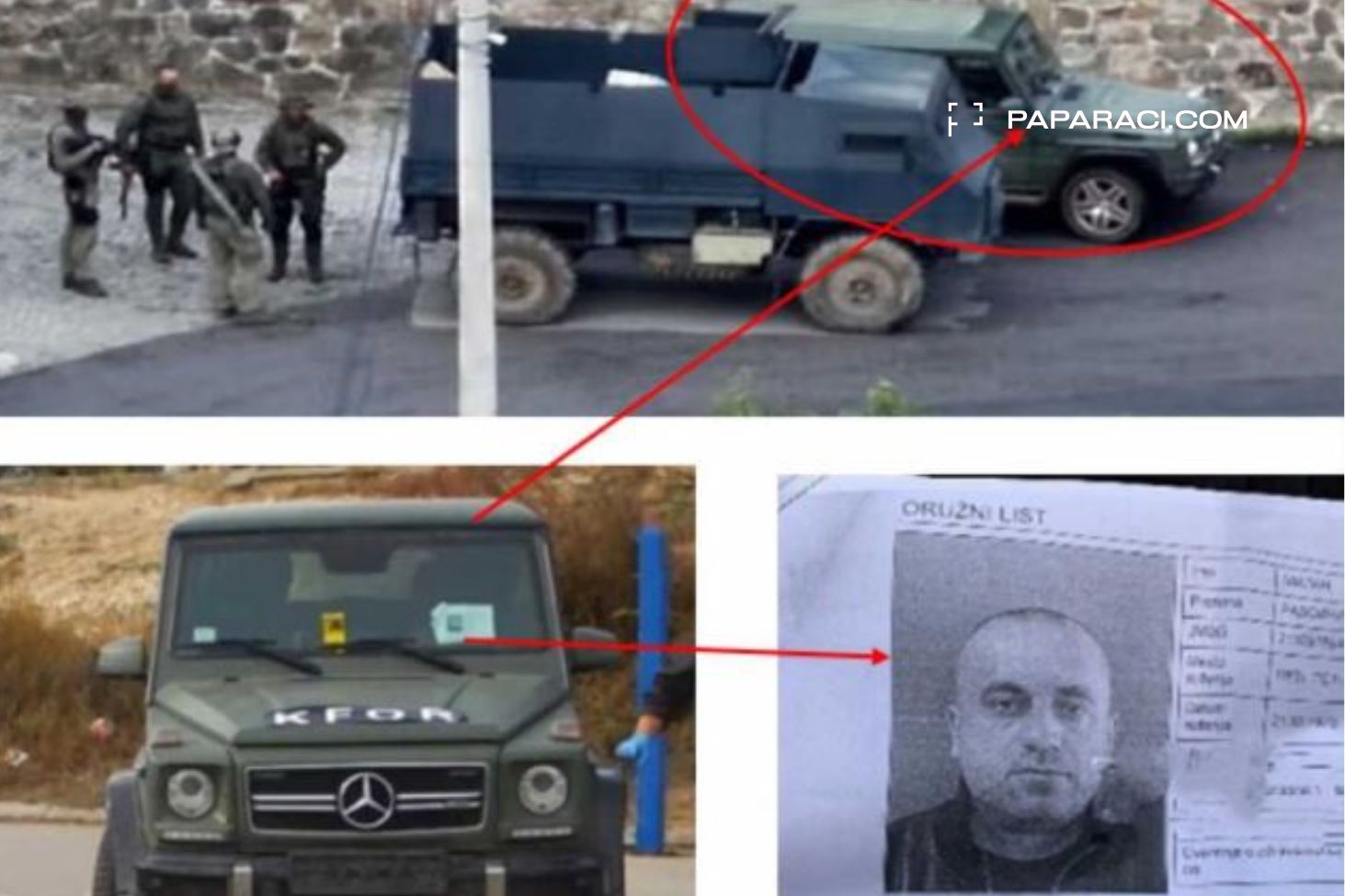
Evidence of Serbia's paramilitary aggression and involvement of Milan Radojciqi in events on September 24th
For this report, Democratic League of Kosovo deputy leader Lutfi Haziri said on Thursday that he was rejected by the European Union.
On RTV Dukagjin's show, Haziri said the part that was prepared by police legal experts has been professional, but the rest when political parts are introduced has prevented the report from being accepted.
The fact that our report is on the table itself, but it's not taken seriously when it's seen what it makes. If you get it and read the police section, the expertise is professional. When they introduced political reports...”, he said.
LDK's number two said it was Kosovo's golden opportunity if they were to allow people who have carried out the operation in Banjska, also conducted investigations and compile a report that, according to him, would be accepted by internationals.
Part of the report:
Final Report
Initial analysis of Serbia's paramilitary aggression against Kosovo
Based on the evidence collected, the following key elements can be discovered at this stage:
- Banjska's attack on 24 September 2023 was carried out by a paramilitary group that was recruited, trained and specifically assigned to that end, equipped with heavy weapons secured by the state of Serbia. The paramilitary group acted under the operational command of Serbian government structures, the Serbian Army and intelligence agencies respectively.
- The aim of the attack was to promote a broader conflict and escalation, causing significant damage to the state structures of the Republic of Kosovo, including loss of lives. This included challenging, threatening and potentially killing members of the international KFOR peacekeeping force, as well as members of the Kosovo Police. The intentional murder of Kosovo police Mr. Africa Bulnjak and attempts to kill other policemen illustrate the ruthless brutality with which the strategy was implemented. It is clear that if plans for expanding the conflict were realised, KFOR and other international security personnel would be involved.
- The location of the monastery and the way the operation was planned and executed leaves no doubt that the count of the victims during a police operation against terrorists at a Serbian Orthodox Church monastery in Kosovo was intended to contribute to the pretext for a military intervention to allegedly save Kosovo Serb citizens and pilgrims from Serbia.
- Evidence confirms that the chain of command of this operation originated in Serbia's state structures, making the attack an act of aggression against the territorial integrity of a neighbouring country. Any possible involvement by the state of Russia through its intelligence officers and other state actors within Serbia and the Serbian security structure is still subject to further investigations. The use of force from Serbia against Kosovo, incubation on its territory, and the killing of security personnel with plans to expand the area of the operation, along with the involvement of international peacekeepers in potential clashes with military equipment, constitutes a crime under international public law. Serbia's president and his security structures are responsible for this crime.
- The provisional inability to prosecute paramilitary members of the terrorist group as a result of Serbia's refusal to extradite them promotes impunity of crimes and constitutes a violation of international criminal law, which could serve as a freedom of action for undertaking new attempts at terrorist paramilitary attacks, even in the near future.
- In addition to operational and organisational support, Serbia's leadership continues to fuel conflict in Kosovo, until an armed uprising. This aggression, through propaganda and the obligation of the population in the northern part of Kosovo, was destroyed only after the failed operation. President Vuciq addressed Kosovo Serb citizens, suggesting that the time will come for them to leave Kosovo “with tractors”. These warnings are absolutely fabricated and are aimed at further escalation of the situation until armed rebellion against Kosovo's democratic institutions. To keep open the possibility of a Kosovo military invasion at all times, Serbia is keeping up to 48 bases “ahead of its army” near the Kosovo border. To strengthen preparations for war, Vuciq is organising murals and large X-rays throughout Serbia, promoting the slogan “When our army returns to Kosovo” The general propaganda in Serbia for a future war has reached unprecedented levels even compared to the persistent language of hatred promoted by the aggressive, nationalist Serb leadership through its media.