17 minutes ago
Weber: The secrecy of dialogue, the source of crises
Periskopi(3 years ago)
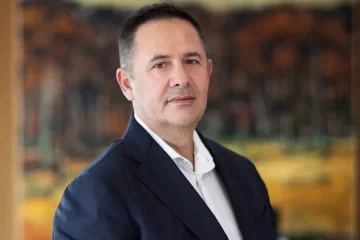
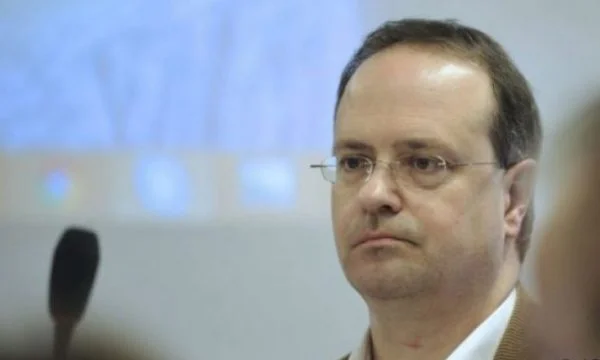
(3 years ago)The lack of details from the Western mediators' meetings with Kosovo Prime Minister Albin Kurti, and Serbian President Aleksandar Vuciq are signal that blockades still exist in the Kosovo-Serbia dialogue process. So says Bodo Weber, expert for the Balkans and senior co-worker of the Council for Democracy Policy in Berlin. On Friday, January 20, Pristina [...]
So says Bodo Weber, expert for the Balkans and senior co-worker of the Council for Democracy Policy in Berlin.
On Friday, January 20th, Pristina and Belgrade were visited by the European Union's special envoy for Kosovo-Serbia dialogue, Miroslav Lajcak, accompanied by US envoy for the Western Balkans Gabriel Escobar, France's envoy, Emmanuel Bonne, Germany's envoy, Jens Plotner, and Italian Government adviser Francesco Talo.
The topic of discussions was the EU's proposal for normalising relations between Kosovo and Serbia, for which mediators from the West stressed that they have expected more consensus from Pristina about the possibilities the proposal offers. Meanwhile in Belgrade, according to them, they have noticed a <x0 responsible approach and readiness for difficult decisions”.
Weber considers the problem in these talks to be that they are being held behind closed doors, while “even further has resistance to the effort to achieve progress regarding the EU proposal or the so-called German-French proposals”.
While this approach is unclear and non-public, it is difficult to assess whether there is any dynamics, any plan that is served with a set and important international context, or all this is just trying to offer the parties, so that it can be achieved to a fast progress”, says Weber.
He also suggests that the expression “compromis”, which is used on the part of international mediators, in the context of the possibility of reaching an agreement between Kosovo and Serbia, is the dangerous “ente”.
“This has been the main point of Vuciqi and the Serbian regime in talks about the proposal for exchange of” territories.
He does not exclude the eventual crises in northern Kosovo, unless, as he says, agreements are published and the possibility of being interpreted differently is left to the parties.
I'm afraid this is a clear signal, given that Mr. Lajcak and his colleagues did not want to provide any details of these talks. But that only negative sentence, I'm afraid, is the clear signal that even further there is blockades, whether there is any further resistance to the attempt to achieve progress regarding the EU proposal or the so-called German-French proposals”, he said of the REL.