7 minutes ago
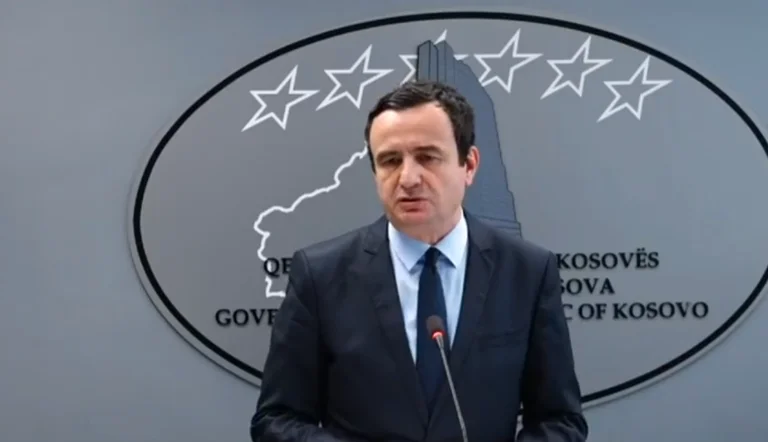
Kurti: I have requested addition of NATO troops due to increased Serbia-Russia co-operation
Periskopi(3 years ago)
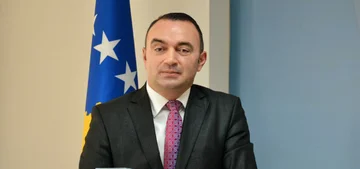
(3 years ago)Kosovo Prime Minister Albin Kurti has said he has called for increased the number of forces of the North Atlantic Treaty Organisation (NATO) in Kosovo, due to increased co-operation between Serbia and Russia. “disturbs the ties between Serbia and Russia, so we need more troops... Co-operation between them has grown [...]
We need more troops... Co-operation between them has increased after the start of the war in Ukraine, and for that reason we need additional NATO troops in Kosovo”, he said during an interview for Al Jazeera.
On January 1st, Kurti called on NATO to increase the number of peacekeeping forces in Kosovo.
But on January 5, NATO told the REL that it has not accepted any formal requests from Kosovo for adding the number of troops to its mission, KFOR, and that they currently have enough presence in Kosovo.
When asked about the exchange of territories between Kosovo and Serbia, Kurti said the political project on the subject has failed, but the idea has not died.
“I am very sure that the president of Serbia [Alexander Vuciq] is nominal for the time being, which means the political territorial exchange project has failed, but the idea is not dead. But homesickness is not a feeling of progress. The exchange of territories will not happen, the exchange of territories is the formula for war”, he said.
The exchange of territories a few years ago has spoken to former Kosovo President Hashim Thaci and Serbia's Aleksandar Vuciq, but this idea has triggered numerous debates, both in Kosovo and on the international stage.
The prime minister has also talked about dialogue with local Serbs and with several civil society organisations. He said he continues to meet them, and that “has no prime minister in Kosovo who has met more local Serbs” than he did.
Kurti, since the 2019 election campaign, has warned dialogue with Kosovo Serbs, praising that such dialogue is more important than the one Kosovo is conducting with Serbia in order to normalise relations.
In November last year, government officials told REL they are developing dialogue with local Serbs, but “out of public eyes”.
They have not provided much details about this process, saying they aim to protect Serb representatives from “pressions and threats” of illegal “structures and groups linked to”.
Kosovo and Serbia have been negotiating the normalisation of relations since 2011.
The sides have reached dozens of agreements, but the implementation of most of them on the ground has stalled.
Kosovo insists dialogue should end with mutual recognition; Serbia seeks compromise solutions, but without specifying much of what it means.