4 minutes ago
YOU: Kosovo has control of corruption, despite fight against it
Periskopi(3 years ago)
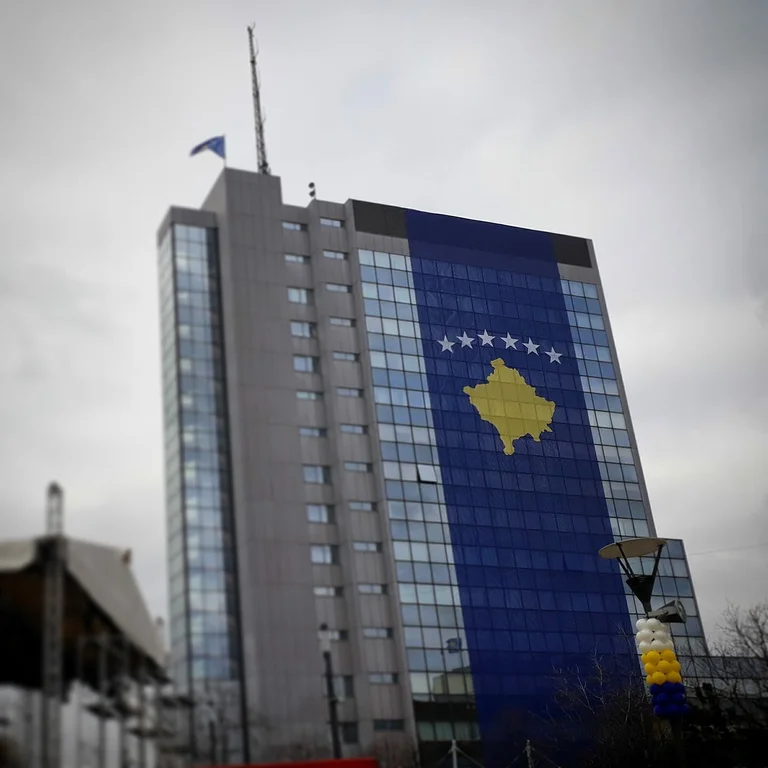
(3 years ago)With 41 points, Kosovo has made progress in fighting corruption, but continues to have no control of this phenomenon, estimates the international organisation's report, Transparency International (TI), for 2022. To assess 180 countries and territories in the world, the organisation uses a zero-point rate to 100, where zero tells of [...]
To assess 180 countries and territories of the world, the organisation uses a zero-point rate to 100, where zero tells of a very corrupt country and 100 a very clean country.
Kosovo in this year's Corruption Perceptions Index ranks at a 41-point position, or two more than last year.
Kosovo has made progress with an improved legal framework for financing political and electoral campaigns, but implementation of these reforms will be key in the coming months”, the report said.
The government must still improve transparency and refrain from any interference in the justice system”, Transparency International also emphasises.
Although corruption scandals have not come to light last year, according to the organisation, “does not mean corruption is under control”.
The low budget cuts for capital investments in recent years have reduced opportunities for corruption in the distribution of public contracts, which has been a problem in the past”, Transparency International notes.
According to the organisation, the Western Balkans region in general “is known for its low resistance to organised crime”.
The countries of this region, said the report, have been slow in addressing this “risk and “responsible institutions still do not have enough resources and independence”.
Besides Kosovo, slight progress in the fight against corruption has also been made by Croatia, Northern Macedonia and Albania.
Croatia is estimated at 50 points, three more than last year; Northern Macedonia, with 40 points, one more than last year, and Albania with 36 points, as well as one more than last year.
Of the Western Balkan countries, going back has made Montenegro 45 points, or one less than last year; Serbia, with 36 points, or two less than last year, and Bosnia and Herzegovina with 34 points, or one less than last year.
At the top of the Transparency International organisation's list are Denmark and Finland, with 90 points, with 87 points, respectively, while Syria is finally ranked 13 points and Somalia with 12 points.
Praising the situation in general, the report stresses that most of the world “continues to fail in fighting corruption: 95 percent of the countries have made little or no progress since 2017”.
“Corruption has made our world a more dangerous country”, said Delia Ferreira Rubio, chairman of the Transparency International organisation.
Until governments have collectively failed to make progress against it, they promote actual violence and conflict growth and endanger people everywhere. The only way out is for countries to do more work, removing corruption from all levels”, Rubio said.
The global average Corruption Perceptions Index remains 43 ] unchanged for the 11th consecutive year.
According to the organisation, more than two-thirds of the countries have a serious problem with corruption, having less than 50 points. This group is part of all Western Balkan countries except for Croatia, a member of the European Union, which has 50 points.