9 minutes ago
Hoti: Inflation 12%, measures nowhere, citizens bear consequences
Periskopi(3 years ago)
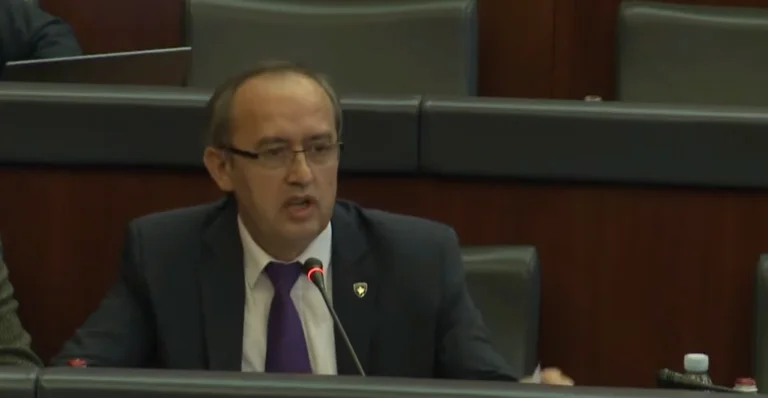
(3 years ago)Former Kosovo Prime Minister Avdullah Hoti has criticised the Kurti Government for economic measures faced inflation in the country. According to Hoti, substantial measures are nowhere to be seen. Hoti has reiterated his and LDK's stance on reducing the oil excise. “Inflation 12%, measures nowhere, citizens bear the consequences of average inflation in December 2022, but [...]
According to Hoti, substantial measures are nowhere to be seen. Hoti has reiterated his and LDK's stance on reducing the oil excise.
“Inflation 12%, measures nowhere, citizens bear consequences
Average inflation in December 2022 reached 12%, but for some basic goods and services, where most of the family budget is spent, it reached:
- 47% for transport expenses;
- 39% for fuel;
- 31% for oils and fats;
- 28% for milk; cheese and eggs;
- 21% for bread and grain;
- 20% for meat;
- 18% for sugar, etc.
What did other countries do to reduce the burden of citizens? - some increased wages for inflation rates,
- And put down the burdens of taxes.
- some helped citizens without exception to cope with the cost of living,
- in particular subsidised the price of gas and oil, whose prices increased mostly and affected the rise of all other prices.
In Kosovo, meanwhile, substantial measures are nowhere to be seen, except for the additional pension and assistance that are temporary. The tax on Added Value (TVSH) and the excise did not sit, not that it was not affordable for the budget, but because the opposition (from LDK) was proposed. As a result of inflation, the state invested much more inflows, which it did not spend and, as a result, depreciated at least 12%.
But authorities took care of some of the businesses that have contracts with the state for capital investments. The Assembly approved the discrimination law on public affairs, with which businesses can increase the price of contracts with the state by up to 20% due to increased material prices.
If tax and excise charges were lowered to oil, then the effects would all be felt without exception. There would have been no need for this discrimination law. There would have been no need to collect resources in the budget, which are deestimating” writes Hoti in response.