15 minutes ago
Havenier: We do not support agreements threatening Kosovo's sovereignty
Periskopi(3 years ago)
(3 years ago)The United States Ambassador to Kosovo, Jeff Hovenier, said his country has already made it clear that “does not support any agreement violating the Constitution of Kosovo” or that “threatens its sovereignty, independence and multiethnic character”. “We strictly object to the creation of an entity that resembles Republika Srpska in Bosnia and [...]
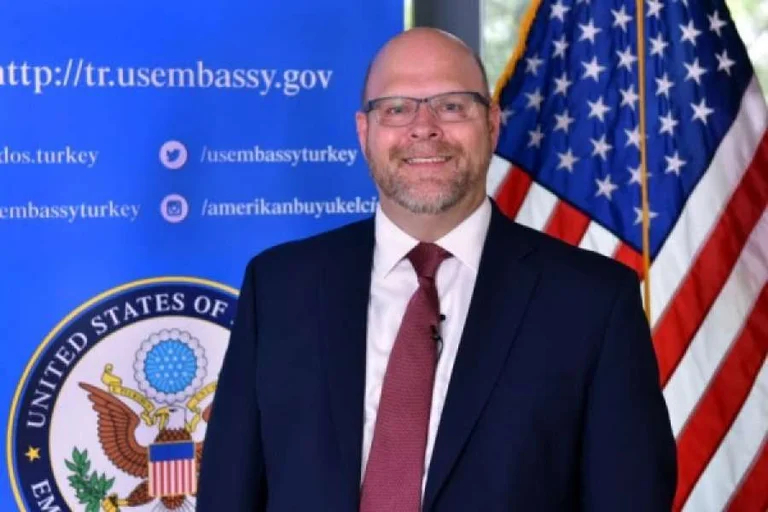
The United States Ambassador to Kosovo, Jeff Hovenier, said his country has already made it clear that “does not support any agreement violating the Constitution of Kosovo” or that “threatens its sovereignty, independence and multiethnic character”.
“We strictly object to the creation of an entity that resembles Republika Srpska in Bosnia and Herzegovina”, Hovenier said.
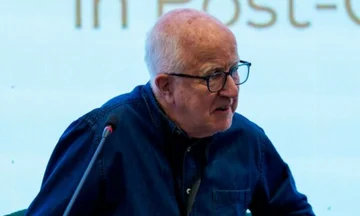
He made the comments after a discussion that organised the American Embassy in Pristina on Tuesday for the Association of Serb majority municipalities in Kosovo.
The agreement on forming this association was reached in 2013 under the dialogue for normalising Kosovo-Serbia relations, mediated by the European Union, but it has never been implemented.
In Pristina, officials say they cannot allow the formation of a single-ethnic association with executive competencies, while in Belgrade they insist on establishing it.
Havenier said the US expects “Kosovo to fulfil its” obligations.
“We ask the Government of Kosovo to offer its vision for Association, which believes it protects Kosovo's future as a sovereign, independent, multiethnic, democratic, and ensures minority rights in accordance with Brussels agreements and the Constitution of Kosovo”, Hovenier said.
“We are willing to provide political expertise and support to ensure it functions in the interest of all Kosovars”, he added.
The US ambassador stressed that the US partnership with Kosovo “is steadfast”.
Today's “Failed to reflect our deep and lasting friendship with the people of Kosovo. We wanted to understand the outlook of participants for Association, what it could be, how it can be realised for the citizens of Kosovo, but also what capacities it cannot or should not have”, he said.
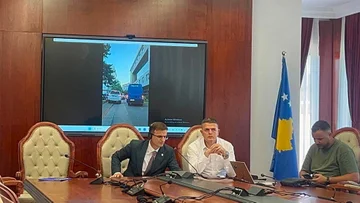
Officials of the Government of Kosovo, leaders of political parties, members of civil society and diplomats participated in the discussion organised by the American Embassy.
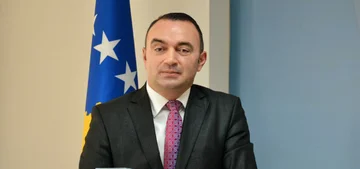
Minister for Communities and Return to the Government of Kosovo Nenad Rassic told Radio Free Europe that participants discussed the political and legal framework of association and that “the execution was interesting”.
“There have been different replicas and opinions, but, in general, I think the quality of the talks has been at a high level”, Rassic said, without giving details.
Rassic, who in some cases has reiterated that agreements reached within Kosovo-Kosovo dialogue- Serbia cannot be ignored, added that those present at this meeting were “relevant co-ordinator”.
“has potential for further talks”, he said.
“Talk about an association within frames of the Kosovo Constitution”
Another member at the meeting by civil society said the most important thing during the discussions was the fact that “at all times has been spoken only of an association within the framework of the Kosovo Constitution and the Constitutional Court's decision”.
Wanting to remain anonymous, he told REL that the meeting has gone into constructive spirit, but that “have dominated very opposed positions”.
“In the first part of the meeting, representatives of the Serb community (politics, civil society, institutional officials) have spoken primarily. The discussion has been a context in the sense that the rights stemming from Ahtisaari's [Paja] [v.j] have been discussed. based on which Kosovo's independence has been declared... what the obstacles to their exercise are and what can be done better”, the civil society member said.
“From Albanian designers (such as politics or civil society) has had more constructive questions directed at the Serb community, as why association is needed to meet these requirements... emphasising risks or concerns on the consequences of association on judicial order, but also political requirements towards allies”, he said.
According to him, “cannot be said to have more supporters of association than opponents”.
“There have been different attitudes, whether skeptical or more positive, same as those heard in our public opinion”, he said.