4 minutes ago
World Economic Forum: Environmental damage, inflation, cyber security, risks for Kosovo
Periskopi(3 years ago)
(3 years ago)Environmental damage caused by man, quick inflation, high living costs, geoeconomic confrontation, failure of cyber security measures and digital inequality are the main risks Kosovo may face over the next decade. So says the World Economic Forum Global Risks Report, which was released more [...]
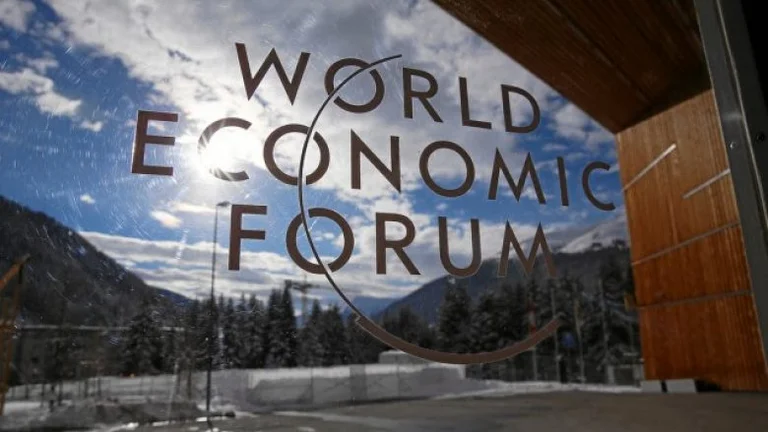
Environmental damage caused by man, quick inflation, high living costs, geoeconomic confrontation, failure of cyber security measures and digital inequality are the main risks Kosovo may face over the next decade. So says the World Economic Forum Global Risks Report, which was released on January 11th..
According to this report, the high cost of living is listed as the world's worst risk for the next two years. It underlines that the economic crisis will literally divide rich and poor countries, which can reverse human development and progress.
As for the countries of the region, the report says Albania is most threatened by infectious diseases, the failure of cyber security measures, rapid inflation, geopolitical decomposition of resources, and severe supply crisis.
Serbia, on the other hand, is threatened by geo-economic confrontation, severe strikes of goods prices, interstate conflicts, cost of living crisis and severe cargo supply crises.
Northern Macedonia, on the other hand, could face a living cost crisis, debt crisis, environmental damage caused by man, rapid and stable inflation and growing economic impasse.
Even Montenegro, the report says, can cope with the cost of living crisis, geoeconomic confrontation, economic growth stagnation, failure to adapt to climate change, environmental damage caused by man, severe supply crisis, debt crises, and employment and living crisis.
The economic consequences of COVID-19 and the war in Ukraine have resulted in high inflation and changes in monetary policies, marking low economic and investment growth of global scale.
The return to normal life after COVID-19 pandemic was quickly interrupted by the outbreak of war in Ukraine, bringing new crises, especially to food and energy”, the report writes.
The report notes that the next decade will be marked by environmental and social crises, driven by geopolitical and economic trends. Also, loss of biodiversity and ecosystem collapse are the fastest global deterioration in the next decade.
About 3.6 billion people worldwide are dangerously exposed and vulnerable to climate impacts. Developing countries, despite their limited contribution to climate change, are shouldering burdens, but no country and no economy is immune to climate crisis”, the report says. / REL