4 minutes ago
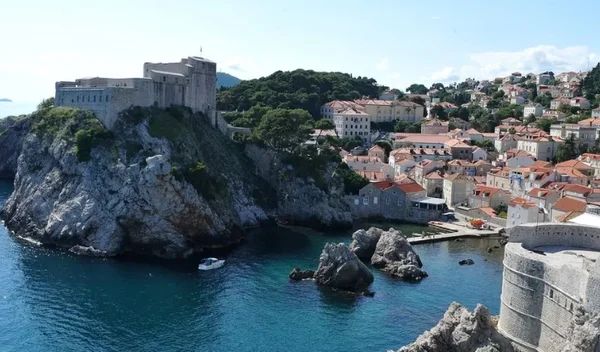
Croatia enters new era, what awaits after joining Schengen area
Periskopi(3 years ago)
(3 years ago)Croatia is entering a historic year after joining the EU-free Schengen zone. She will now give up her currency, kuna, adopting the euro, the BBC writes. The country committed itself to joining the eurozone when it became the newest EU member in 2013. Nationalist parties wanted to [...]
The country committed itself to joining the eurozone when it became the newest EU member in 2013.
The nationalist parties wanted to keep the kuna, but were ousted by the constitutional court.
European Commission President Ursula von der Leenen hailed the changes as “extraordinary achievements” for the newest EU member state.
She said January 1st, when changes officially occurred, it would be a day “for history books”.
Above all, this would be a moment “joy and pride for the Croatian people”, she said.
Croatia's Prime Minister, Andrej Plenkovic, said Sunday that the country ʹa former Yugoslav republic that fought a war for independence in the 1990s é had <x0nd) achieved its strategic, state and political goals” from two historic changes.
Croatia's entry into the Schengen area is expected to boost its tourism industry, which represents 20% of its GDP and welcomes millions of visitors annually.
The use of the euro is already widespread in the country, with key assets such as valued currency apartments and a large percentage of bank deposits also expressed in euros.
Experts say the European currency movement should help protect Croatia's economy at a time of inflation across the globe.
The euro was launched on January 1, 1999 as an electronic currency and became a legal tool for some 300 million people in 12 member states on January 1, 2002. With Croatia's growth, there are now 20 countries in the eurozone.