12 minutes ago
Who is counterfeiting 2 euros in Kosovo
Periskopi(3 years ago)
(3 years ago)With the metal coins of 2 euros citizens cannot pay the water pipeline bills. The regional waterwork company “Pristina” has banned this currency from taking over all the crates it has in Pristina. The decision has come after banks have rejected a lot of money from this enterprise, because they were fakes. “We have [...]
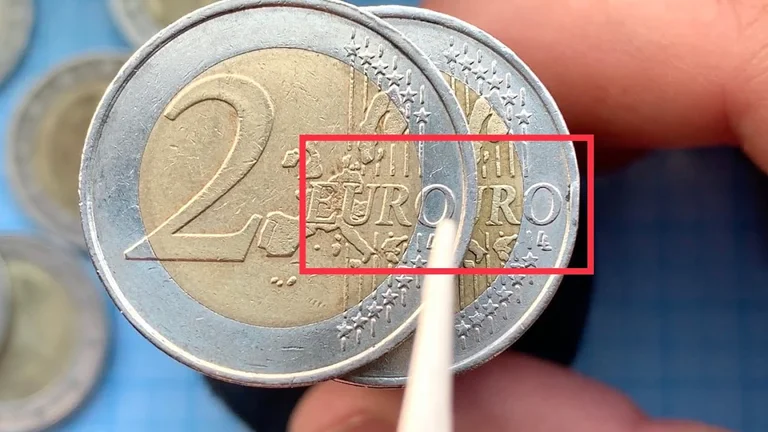
With the metal coins of 2 euros citizens cannot pay the water pipeline bills.
The regional waterwork company “Pristina” has banned this currency from taking over all the crates it has in Pristina.
The decision has come after banks have rejected a lot of money from this enterprise, because they were fakes.
We have customers who often paid 100 or 200 euros with metal coins of 2 euros. So we've stopped him and now we're waiting to see what happens... we've had a chance when the cashier went over to the bank and he's been faked and he's been forced to pay him a lot of fake coins out of his pocket, because we didn't know because we didn't have a Verifiable frame of money”, said Arjeta Doctor, the water supply spokesman.
Such a thing, according to her, will continue until they are equipped with devices for identifying counterfeit coins.
We've already stopped the sale at all points for now taking coins of 2 euros, because we've recently heard that coins of the two counterfeit euros are being circulated. This situation will remain so until we see the possibility of buying devices for identifying counterfeit coins, especially metal”.
This is not the only Pristina company facing this problem.
“Pristina Parking” is another public enterprise that has already banned the taking of metal coins of 2 euros, after having had numerous cases when the bank refused to accept the payments because they were forged.
Its chief chief, Sokol Havolli, says that if the damage continued so it would amount to up to 400,000 euros a year.
“The first is about financial damage to the company, which, if continued, could amount to up to 30-40 thousand euros a year. Therefore, my task is to protect the company's finances. Second, NPL Prince Parking), after taking the daily circulation from the selling points, makes their surrender to the banks in which we have accounts. Since our officials make the delivery of the funds to banks, then the bank is faced with these counterfeit coins. As a result, confirming procedures, the bank has notified the police. But, in these cases, police interviewed our officials”, Havolli said.
According to Havol, while waiting for the donation to be equipped with four devices, they need six more to cover up fully with devices that detect counterfeit coins.
“Rubiku Urban” is one of Pristina's other companies, which all the time collect cash ready.
They have refused to comment on this subject.
But, according to statistics from the Kosovo Bank Association, only during the third quarter of 2022, thousands of counterfeit euros have been delivered to the banking system.
The executive director of this association, Petrit Balija, shows that during this period alone, some 60 thousand euros, bank notes and metal coins have been identified and removed from the market, which a greater number are in Pristina.
“The latest statistics are in September 2022, and it is seen that the 500-euro bill is one of the bills that was forged mostly or that circulates at the highest value of 17 thousand and 500 euros in the third quarter in 2022. It is then forwarded to the 100 euro bill, which we have had 16 thousand and 600 euros identified as forged and delivered to the banking system in Kosovo. Then there are 200 euros and 50 euros, and the others are less. In bank notes or bank notes are 54 thousand and 30 euros”, Balija said.
During July, August, September 2022, 2,100 coins worth 2 euros have been identified.
With the largest population, there are more bank branches, there is greater circulation, even the percentage of cases is greater in Pristina. It is not only in the high value of money, it is also in metal coins, where the two euros are more frequent counterfeit. According to statistics we have had 2000 coins worth 2 euros or 4400 euros, which have been delivered to the banking system and identified as forged”, Balija added.
Because counterfeit money is a component that destabilises the country's economy, Balija suggests that all companies use as much of the digital card payment system as possible.