28 minutes ago
Misuse of minors in social networks is on the rise
Periskopi(4 years ago)
(4 years ago)Over 95 percent of the country's population are Internet users, and as a result, child abuse in social networks is on the rise. According to sociologists and experts, this phenomenon has serious consequences for children's future and that families and responsible institutions must do much more for [...]
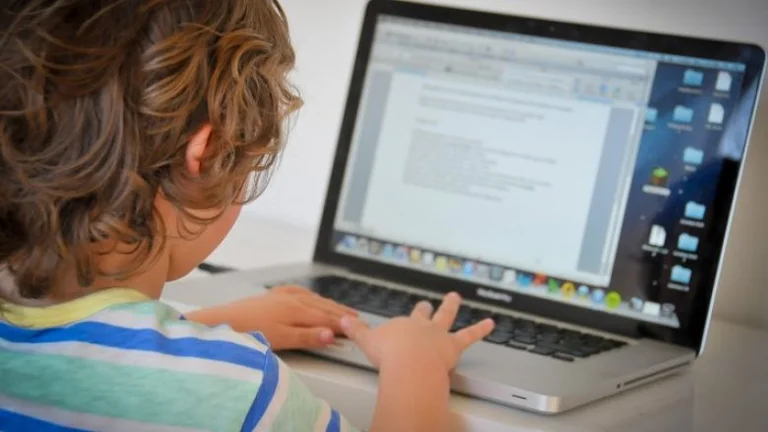
Misuse of minors in social networks is on the rise and that reporting cases remains a challenge, as in Kosovo over 95 percent of the population is internet users and a large part of them are minors. That this situation is disturbing and is out of control and says in an answer to Radio Kosovo expert and former People's Avokat Hilmi Jashar.
“Disturbing is the non-determ approach to any Web site that is considered or forbidden in other countries for other reasons. The other criteria that should have existed at least is to identify those who enter these sites, to be traced to have a eventually trace of the data being monitored. What's worse is also exposure to public and private media”, Jashari stressed for RTK.
He also said that the consequences from exposing minors to social networks are too large that according to some studies, the DNA of these people changes to adulthood as a result of their misuse into social networks.
So deep is the impact that it's proven in science that this adult person undergos DNA change. So profound is the influence that we are not aware of and I, that I was in the position of the ombudsman, have made a publication of this nature to conscious institutions responsible to understand how great the impact is. Unfortunately, though, there was no positive response from health, social, and psychological care institutions and to inform the population of the impact such behaviors can have on children, and generally”, Jashari added.
That the consequences are great during child abuse on social networks, sociologist Shkodran Ramadani, who is also director of the Centre for Advanced Studies and who have organised various studies on the issue, says Radio Kosovo. Likewise, minors who are abused in social networks will in the future be thrilled, Ramadani said.
The low number of reporting is not simply not the existence of this phenomenon, but there is a kind of hesitation and fear to report the case because in certain cases the reporting of the case means even greater distribution of materials. But the other fear is the confusion”, Ramadani stressed.
Meanwhile, Kosovo police in an email response told Kosovo Radio that cyberspace continues to be an appropriate environment for perpetrators for performing various criminal acts, using computer programmes and that citizens do not have enough knowledge of the risks. Police have indicated they don't possess separate data on online fraud cases, because cases are identified as they are defined according to the RKS penal code.