a few seconds ago
Found Who will be the descendant of Queen Elizabeth II
Periskopi(4 years ago)
(4 years ago)As the queen died, the throne immediately and absent ceremony to the heir Charles, the former Prince of Wales. But there are a number of practical and traditional steps that he must go through to crown the King. What's his name? One of his first actions is to decide whether [...]
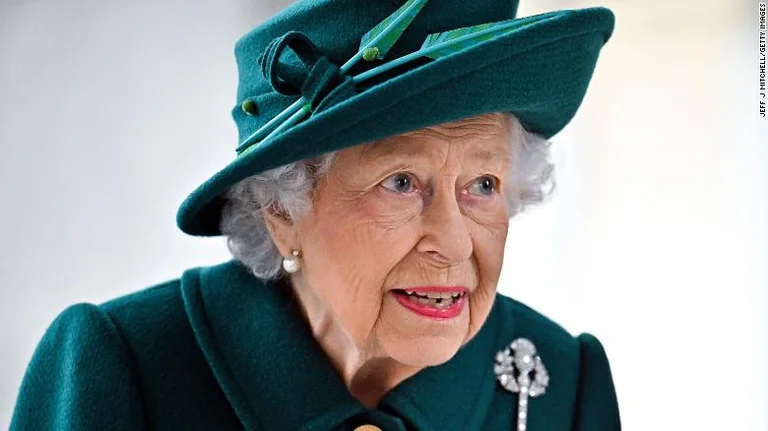
As the queen died, the throne immediately and absent ceremony to the heir Charles, the former Prince of Wales.
But there are a number of practical and traditional steps that he must go through to crown the King.
What's his name?
One of his first actions is to decide whether he will rule as King Charles III or receive another name.
For example, his grandfather George VI's first name was Albert, but he reigned using one of his middle names. Charles could choose from any of his four names, Charles Philip Arthur George.
He is not the only one facing a different title, writes the BBC.
Though he is heir to the throne, Prince William will not automatically become Prince of Wales. However, he immediately inherited his father's next title, Duke of Cornwall. His wife Catherine will be known as Cornwall Duchess.
There will also be a new title for Charles' wife, whose full title will be Queen Consort wife is the term used for the monarch's wife.
Official Ceremonies
In the first 24 hours after his mother's death, Charles will be officially declared King. This happens at St. James Palace in London, in front of a ceremonial body known as the Council of Education.
This is made up of members of the Privy Council a group of old, past and present deputies, and colleagues, as well as some senior civil servants, senior Commonweek commissioners and Lord Mayor of London.
More than 700 people have the right to participate, but in view of the brief announcement, the actual number will likely be much smaller. Some 200 attended the final Adderimi Council in 1952.
The king does not traditionally participate.
At the meeting, Queen Elizabeth's death will be proclaimed by Lord President of the Privy Council (currently Penny Mor Ashdown MP), and a promotion will be read aloud.
The formation of the proclamation may change, but traditionally it has been a series of prayers and promises, praising the former monarch and promising support for the new one.
This announcement is then signed by a number of high figures, including the prime minister, Archbishop of Canterbury and Lord Chancellor.
As with all these ceremonies, attention will be given to what may have been changed, added, or updated as a sign of a new era.
The King's First Declaration
The Council of Adderimi meets again, usually one day later, and this time the King will join the Private Council.
There is no “swearing” at the beginning of the reign of a British monarch, the style of several other heads of state, as the US president. But there is a statement made by the new King and ʹ in accordance with a tradition dating back to the early 18th century he will make an oath to preserve the Church of Scotland.
After a trumpet break, a public announcement will be made announcing Charles as the new King. This will be done by a balcony over the Friary Court in St James' Palace, by an official known as the King of the Garter Weapons.
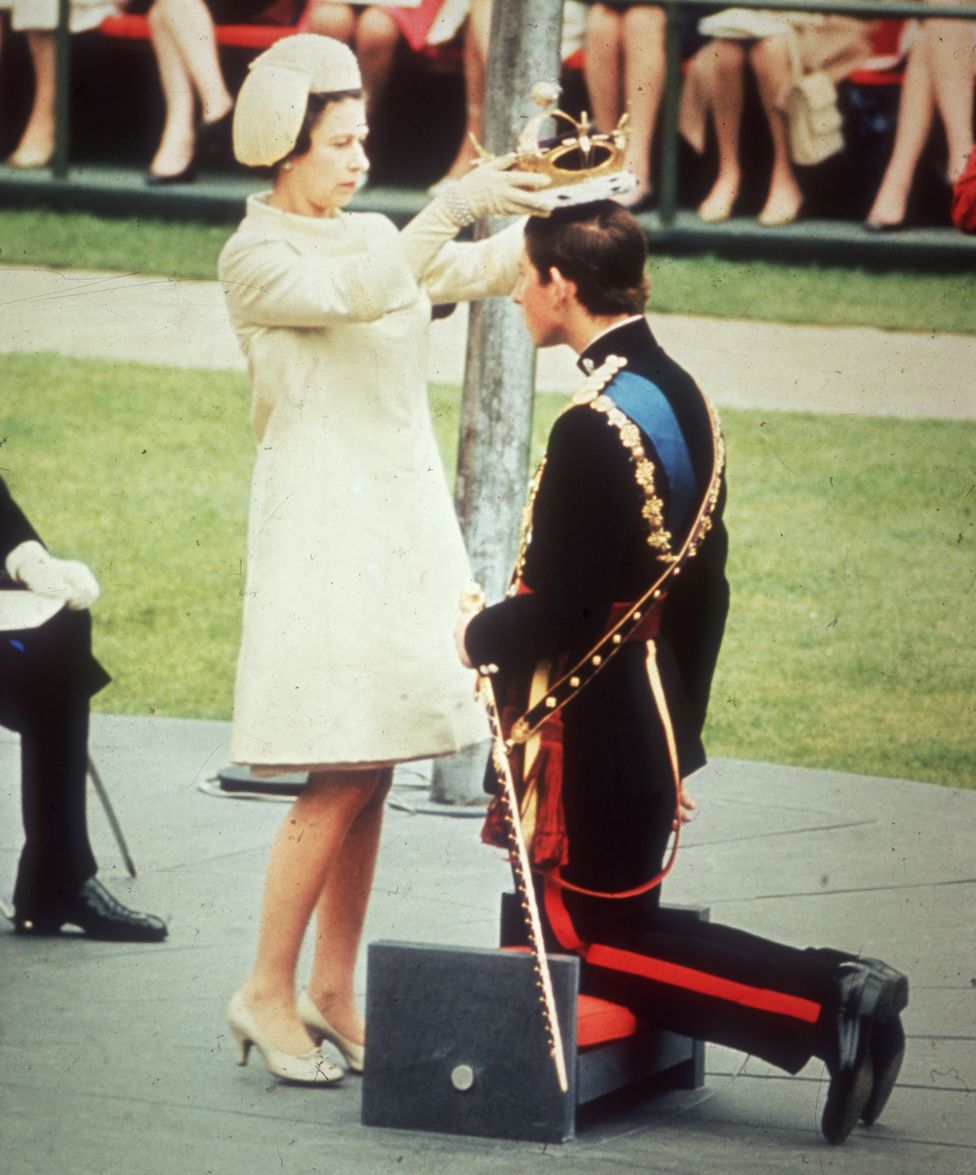
He will call: “The Lord preserves the king”, and for the first time since 1952, when the national anthem is played the words will be “Lord protect King”
Greetings with weapons will be fired in Hyde Park, Tower of London and by ships, and the announcement proclaimed by Charles as King will be read in Edinburgh, Cardiff and Belfast.
Curorization
The symbolic high point of accession will be the crown when Charles is officially crowned. Because of the necessary preparation, the wreath was unlikely to take place very soon after Charles Queen Elizabeth's entry followed the throne in February 1952, but was not crowned until June 1953.
For the past 900 years, the crown has been held at Westminster Abeby William Master was the first monarch to be crowned there, and Charles will be the 40th.
It's an Anglican religious service performed by the Archbishop of Canterbury. At the climax of the ceremony, he will place the crown of St. Edward on Charles ' head a strong golden crown, dated 1661.
This is the center of the crown jewelry in the Tower of London, and it is worn by the monarch only at the time of the crown (not least because it weighs 2,23 kg).
Unlike royal weddings, the crown is a state case the government pays for it and eventually sets up a guest list.
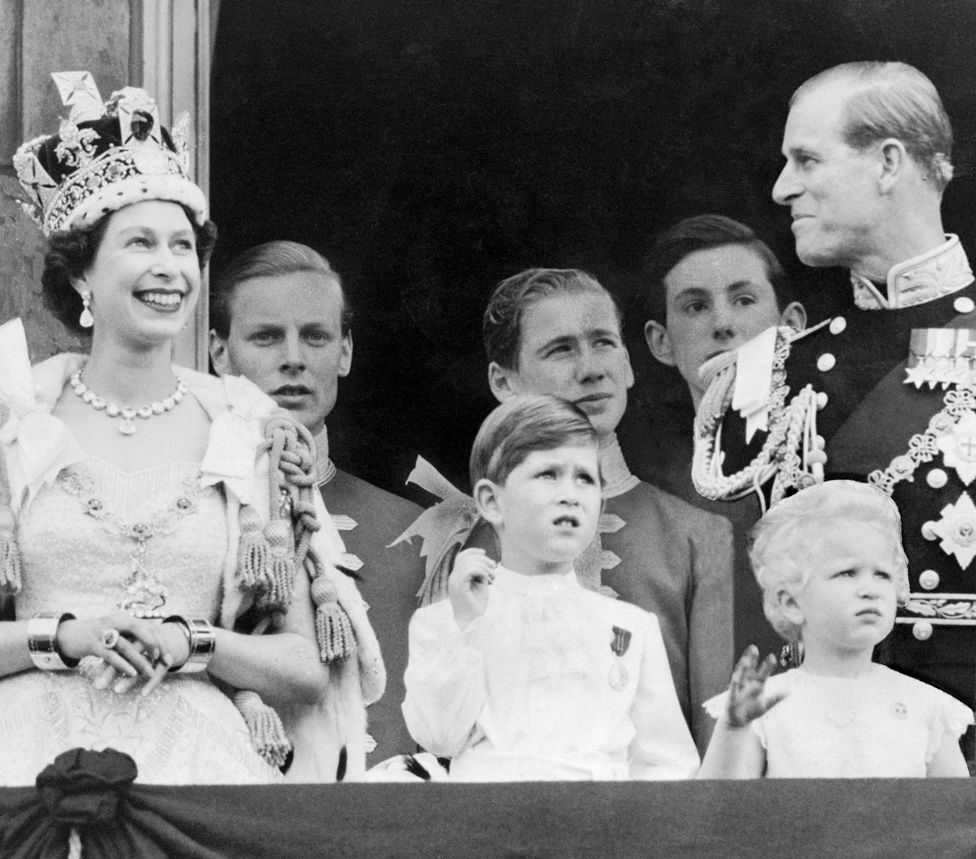
There will be music, readings and the ritual of anointing the new monarch, using orange oils, roses, cinnamon, moss, and amber.
The new king will take the vow of being crowned before the world of observation. During this elaborate ceremony he will take the globe and scepter as symbols of his new role and Archbishop of Canterbury will place the strong golden crown on his head.
Head of Commonwealth
Charles has become the head of Commonwealth, an association of 56 independent countries and 2.4 billion people. For 14 of these countries, as well as in the United Kingdom, the King is head of state.
These countries, known as the kingdoms of Commonwealth, are: Australia, Antigua and Barbuda, Bahamas, Belize, Canada, Grenada, Jamaica, Papua New Guinea, St. Christopher and Nevis, St. Lucia, St. Vincent and Grenadine, New Zealand, Solomon Islands, Tuvalu.