28 minutes ago
Decisive exhumation takes life from rivers in Kosovo
Periskopi(4 years ago)
(4 years ago)The destruction of river beds, according to the report, has largely started since 1999. Our <x0m>, after 1999 and here, without excluding the previous past, has been subjected to a constant pressure on the explosion and exploitation of physical and legal persons [economic officers]”, the report notes. The most destroyed white tree [...]
Our <x0m>, after 1999 and here, without excluding the previous past, has been subjected to a constant pressure on the explosion and exploitation of physical and legal persons [economic officers]”, the report notes.
The most destroyed white tree
According to him, the most destroyed by the exhumation of gravel turns out to be the longest river in Kosovo, the 112km White Drini.
Radio Free Europe, on September 16th, has visited this river in the most vulnerable part of the village of Krusha, Prizren.
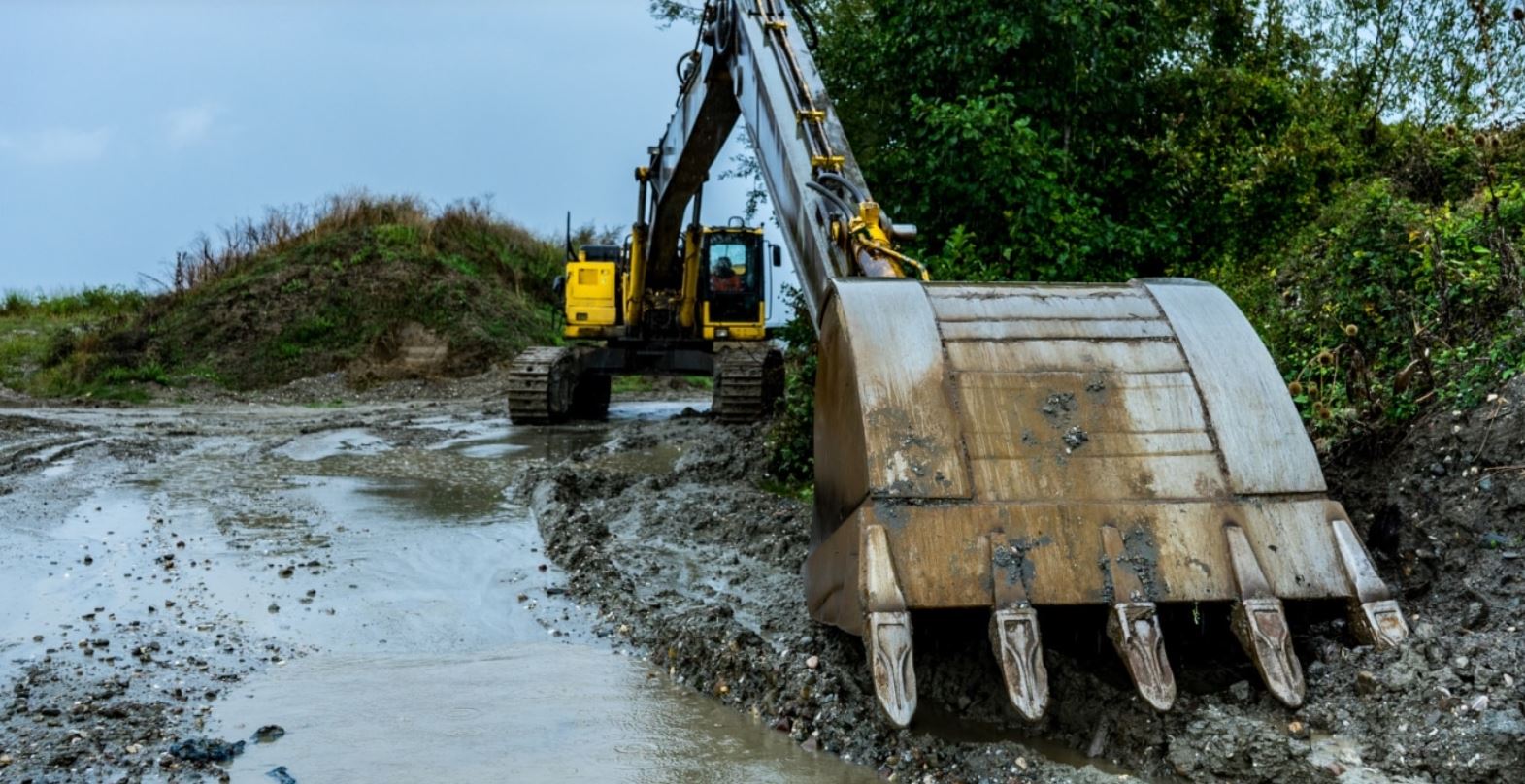
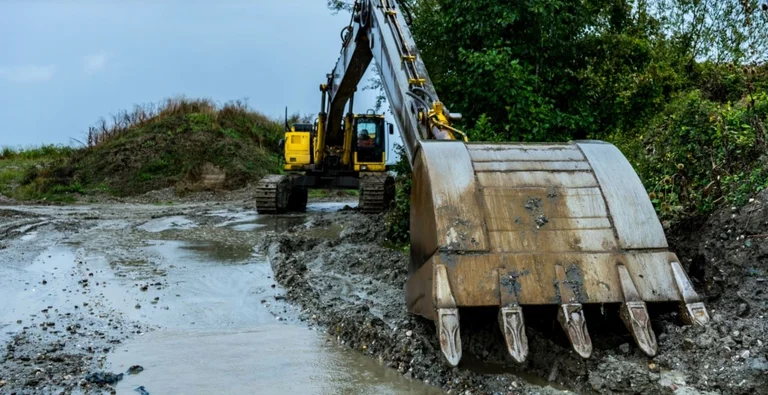
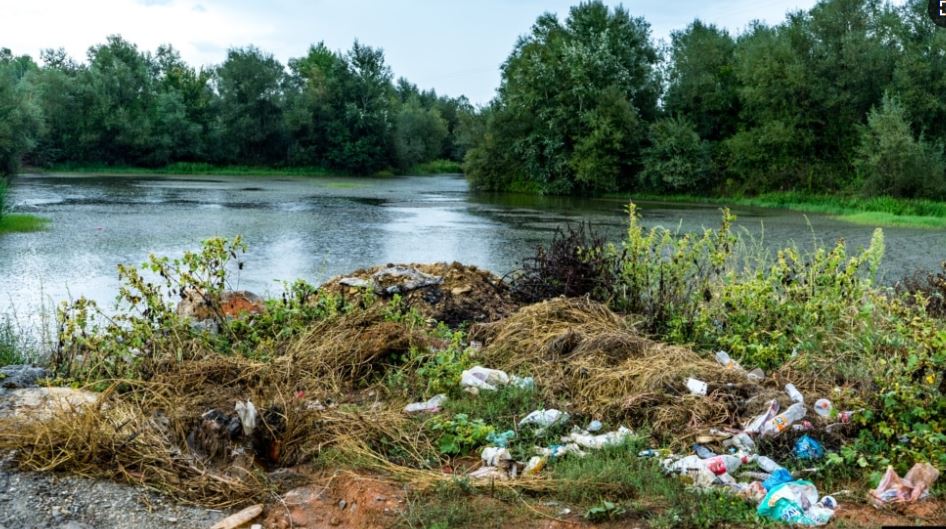
It sees signs of heavy machinery, piles of gravel, huge pits caused by gravel extraction, and dozens of other machines used to break stones for gravel.
The extraction of gravel from rivers has been banned since 2016 through an Administrative Guide. Despite this, however, trucks and rowers can be seen near the bed of the Drini White River.
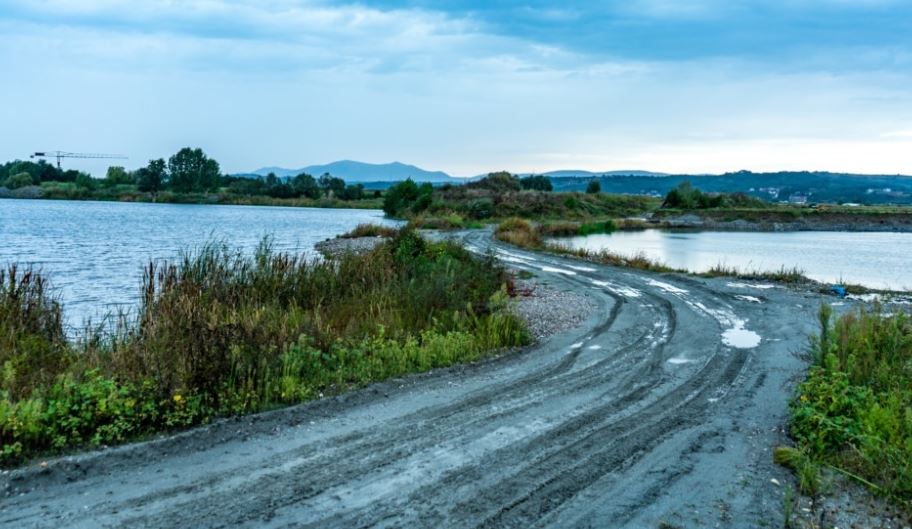
The Radio Free Europe team has tried to speak to residents of villages living near the bed of this river, but they have said that “do not want to have work with companies dealing with extracting gravel”.
Many have refused to have their words cited, but one who has asked to conceal his identity says that heavy machinery are seen every day near the riverbed.
According to him, destruction of the river began shortly after the end of the war in 1999.
He says the police, from time to time, seize the companies' machinery, but “destruction”, according to him, is done on weekends and during night hours.
The police and inspectors were earlier, but now they don't come, very rarely”, this citizen says.
In less than ten kilometers away, REL has seen more than 10 companies dealing with the extraction and processing of gravel in this section on 16 September, but has not been able to contact their leaders.
Even satellite images like this, extracted from platform “Google Earth”
From the Ministry of Environment, Spatial Planning and Infrastructure of Kosovo (MMPHI) tells Radio Free Europe that they are constantly trying to prevent the degradation of river beds.
To that end, the MMPHI says it is developing co-ordinating shares with other institutions, including the Kosovo Police Unit for Environmental Crimes.
This year, several heavy machinery, such as excavers, trucks, and others with which illegal activities have been carried out. The event is continuing and will continue until the complete ban on this ugly illegal phenomenon”, the MPHI statement given Radio Free Europe said.
By Kosovo Police Say About REL that the Environmental Crimes Investigation Unit from January to late August has initiated 54 cases of illegal acts of pollution, degradation or environmental destruction, including cases where individuals or companies have been caught pulling gravel out of river beds.
During 2021, this unit initiated 15 cases, while in 2020 a total of 32 cases of legal offenses involving pollution, degradation, or environmental destruction.
Kosovo's Water Law stipulates that extracting gravel from licensed operators is prohibited more than 150m from the river's natural bed.
But most of the companies that deal with the exhumation of gravel in Prizren's village of Krusha have dug holes just a few meters from the White Drini natural bed.
Environmental Activist Erzagon Shala é kadiu, says river degradation has occurred for years because the institutional response, according to her, has been pale.
She says implementation of the Administrative Guide for preventing the explosion of rivers for extracting gravel has not been monitored. So, she adds, operators continue to destroy rivers.
“does not support appropriate inspection and inspection. This is one of the main reasons that river conditions, river beds, river ecosystems and biosystems around rivers have been degraded to an uncontrolled extent”, says Shala dealt with.
If I'm not mistaken, there's one or two inspectors at the central water level. It's impossible for such a small number of inspectors to pass on. These inspectors are also for inspections of hydro power plants, water users...”, says Shala Cadiu.
The only way to control the further degradation of riverbeds, according to Shala Kadiut, is to digitize inspections.
“Should even a citizen, very simply, without having to follow the regular procedure, make a report through the photos, sent to the institutions, which then must be arranged for the case in question”, says Shala unjustly Cadiu.
Radio Free Europe has asked MMPHI also projects to fix river beds. On the list this institution has submitted, they figure out 15 capital projects that are under way.
But there is nowhere to mention the most degraded river in Kosovo, the White Drini.
The biggest project on this list of values in euros is that of fixing the Sitnica River bed and building the cholera for sewage along the river's bed in the Lipjan municipality.
In addition to the White Drinit, degradation by the activities of exhumation and uncontrolled pollution has suffered Peja's Lumbardi, the River White in Decan, Ibri, Sitnica, Erenic, Krivareka, Desivodica, Shipasnica, and several smaller rivers.
According to the AMPC, the degraded area of some of Kosovo's rivers amounts to nearly two thousand hectares.