2 hours ago
NATO chief: Remain calm, avoid tensions HINA KFOR willing to intervene in preserving peace
Periskopi(4 years ago)
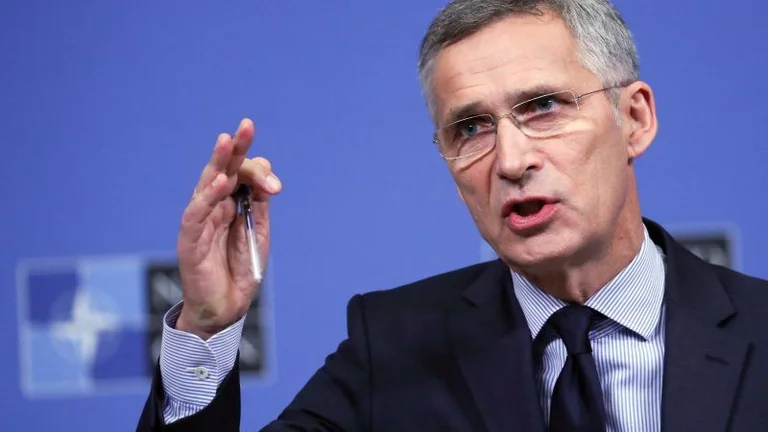
(4 years ago)Secretary - General NATO, Jens Stoltenberg, has commented on a series of issues, starting with tensions in northern Kosovo following the government's decision to establish reciprocity for Serbian IDs and license, membership of Sweden and Finland in NATO, construction of the NATO base in Durres, war in Ukraine and Russian influence in the Balkans. [...]
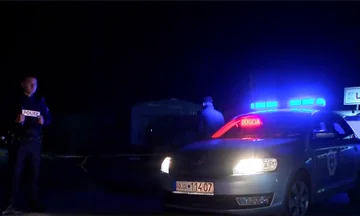
Stopping at tensions in northern Kosovo, Stoltenberg said KFOR's mission is ready to intervene if stability is threatened.
Furthermore, asked for NATO base in Durres, Stoltenberg said security and stability in the Western Balkans is important for NATO and peace and stability in Europe.
Stoltenberg, among other things, has been referring to Montenegro's membership, the accession of two Nordic countries, open door policy, but, even though he should insist with support for Kiev. “It is impossible to predict how long the war will last in Ukraine and what the long - term consequences will be.
Are you concerned about long-term stability in Kosovo, following recent developments in the country's north?
I recently spoke with political leadership in Pristina and Belgrade about tensions in northern Kosovo. All sides must remain calm, avoid unilateral actions and engage constructively in dialogue with the European Union's mediation. In line with his UN mandate, KFOR's mission is closely monitoring the situation and ready to intervene if stability is threatened. Our mission is committed to ensuring a safe and secure environment and freedom of movement for all people in Kosovo. NATO continues to fully support the EU-mediated dialogue, and we call on all sides to continue negotiations. It is essential for regional peace and security.
Much is said about Russian influence in the Balkans, especially in Serbia and Republika Srpska. You have repeatedly cited tensions in Bosnia and Herzegovina and Milorad Dodik's stirring rhetoric. How would you describe the current situation in Bosnia?
We call on Russia to play a constructive role in the Western Balkans, but we have regularly seen Russia do exactly the opposite. NATO fully respects the countries' sovereign right to choose their political and security agreements. This is the basic principle of European security. A principle Russia also pledged to respect as part of the Helsinki Agreement.
Bosnia and Herzegovina has come a long way since the conflicts of the 1990s, but unfortunately, tensions remain high, with divisive rhetoric, stalled reforms and foreign actors working to undermine its progress. NATO will continue to promote stability, security and co-operation in the region through our partnership with Bosnia and Herzegovina, our headquarters efforts in Sarajevo, our support for the operation translated by the European Union EUFOR ALTHEA in Bosnia and Herzegovina, as part of Berlin plus agreements.
NATO maintains a high-level political dialogue with Bosnia and Herzegovina. In May, I met with BiH Presidency Chairman Sefik Dzaferovic in Brussels. Bosnia and Herzegovina's Defence Minister joined our discussions at the Madrid Summit, and recently NATO Military Committee Chairman Admiral Rob Bauer visited Bosnia and Herzegovina. Furthermore, as NATO leaders agreed in Madrid, we are ready to strengthen political and practical support for partners who are at risk of Russian aggression, including Bosnia and Herzegovina.
(Takes a cut from RTK, from the Montenegrin newspaper ? The title is set by rtclive.com. The title in the original is: Support NATO to keep you safe