3 hours ago
U.S. confirms removal of naval blockade to Iran
Periskopi(5 hours ago)
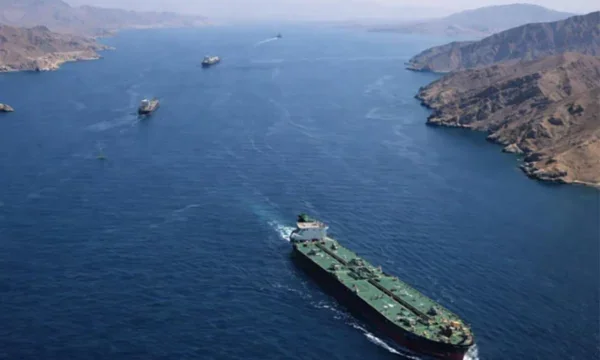
(5 hours ago)American Central Command (CENTCOM) confirmed that naval blockades against Iranian ships and ports have been removed.
“was interrupted every US effort to implement the naval blockade”, CENTCOM said in an X post. Our large sea agencies will remain in the general area to ensure that all aspects of the agreement are respected, implemented and fully empowered”.
The United States established the maritime blockade in mid-April in order to prevent Iranian oil exports, which are the main source of the country's economy.
The removal of the naval blockade from Washington and the reopening of the Hormuz Strait from Tehran, a key artery for global oil and gas supplies, are part of a framework agreement signed on 17 June.
Divisions, US Vice President JD Vance, said the 60-day period for the United States and Iran to reach a final agreement was launched on June 18th, as the US military confirmed that the naval blockade of Iran has been removed.
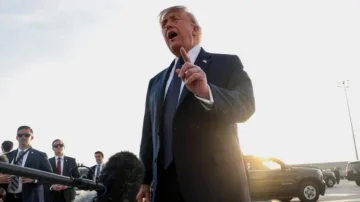
“The 60-day period officially starts today”, Vance told reporters at the White House, a day after US President Donald Trump, and Iranian Massoud POSkian signed a memorandum of understanding aimed at ending the nearly quarterly conflict.
The initial agreement gives Washington and Tehran two months to reach a full deal, including Iran's nuclear programme and US sanctions on the Islamic Republic.
Asked what would prevent Iran from future possession of a nuclear weapon, Vance said Tehran would need “very much before”, after the United States destroyed <x2milliarda” nuclear infrastructure.
He said the U.S. has “angfated” Iran will economically and will not let it get out of this “until they radically change their behavior”.
“How would that look? It would mean a real regime of inspections. It would imply a real implementation regime”, Vance said, adding that changing behavior would also include destroying Iran's enriched uranium reserves.
The US vice president also said the framework agreement already provides real fruit to the American people”, adding that some 12.5 million barrels of oil have been passed through the Strait of Hormuz after signing the memorandum of understanding.
Speaking of Hormuz Strait, Vance said Iran has not attacked any ships that are passing this key route for global oil and gas shipments. Iran had closed the strait after the US and Israel launched air strikes that sparked the war on 28 February.
Regarding Iran's possibility of setting tariffs at Hormuz, Vance said international waters should be free of tariffs and that Washington does not want the strait to be used again against the global economy. He said the final agreement would set conditions for the strait.
He claimed the US “has all the” cards in negotiations and that Iran “should give us things that are important” in order to get benefits from the peace agreement.
Vance claimed that Iran's nuclear programme and military are “destroyed”, and that Iran is unable to “threaten” its neighbours.
He also said that part of the initial agreement is “malnourished”, which seems to be reference to a $300 billion reconstruction fund that Iran can access as part of the deal.
Vance added that “no single cent” will be sent from the United States to Iran. Tehran will take advantage of the agreement only “if it fully respects and changes its behavior”, he said./ Radio Free Europe