26 minutes ago
Horizontal Co-operation: After the German departure, how did the French deal with treacherous women
Periskopi(4 years ago)
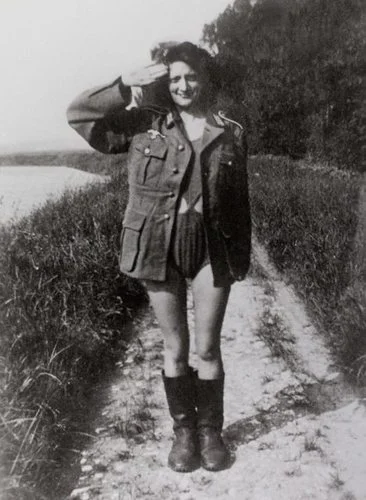
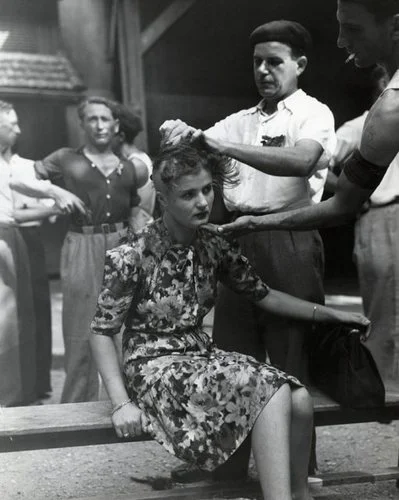
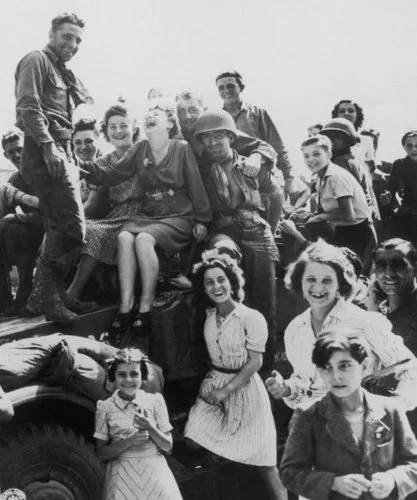
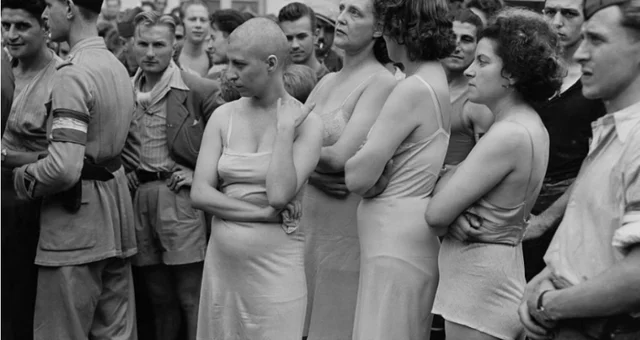
(4 years ago)When France was released in 1944, foreign photographers and press were there to record the event. Among the photos taken were thousands of images of French women shaving their heads. Without context, these seemed strange, however, those pictures were a form of punishment for women accused of cooperating with invaders [...]
There were many ways to cooperate with the enemy, such as their food supply, their struggle with them, or, under the right circumstances, to be a double agent. Women in the above images mentioned, however, were collaborators of another kind, since they had relations with German soldiers throughout the French occupation.
German occupation of France
France was occupied by German forces in May 1940 and was defeated within a month, forcing a ceasefire between delegates from both countries. This marked France's official surrender and divided the nation into two areas: the German-controlled north and French-controlled south, known as Vichy France.
Marshall Henry-Philipp Petain was the authoritarian figure of Vichy France, where he acted in accordance with Germany, with tens of thousands of Jewish citizens expelled from the region during this time. Some sources have claimed that he hoped to act as mediator between France and the powers of Bosty, to keep German troops out of Vichy and to help French Resistance.
Only in November 1942 did German troops take over Vichy as revenge for the involvement of French free forces in North Africa. According to Germany, acts committed by French forces in the region had violated the ceasefire agreement that was signed two years ago, abcnews.al reports.
Horizontal Co-operation
During the German occupation of France, there were many women who had relations with enemy soldiers. Many of them were new mothers whose French men were in the war captives camps (POW).
The only way to support themselves and their children was to have contact with the Germans.
Many women, especially in Paris, were forced to go to clubs by having relations with German soldiers in exchange for money. They were so familiar that German and French officials worked together to regulate these institutions and build new ones, forcing more women on this line of work.
On occasion, some even were kidnapped from rural areas and brought to larger cities. While many of these French and German relationships were forced, there were some who were based on a romantic relationship. Many photos were taken by German prisoners in which they clearly appeared to their French girlfriends or wives during World War II.
Whether relations were fascist or compulsory, they were considered horizontal co-operation and something women were persecuted for after the war ended.
Deliverance and Punishment
France was freed after Allied forces landed in Normandy, after which they moved to Caen and, ultimately, Paris. Despite orders to destroy the capital, the Germans surrendered.
Between that and the end of the war, Allied troops tried to oust the last German forces from France. Some of the women who had contact with German soldiers were fortunate, traveling to Germany with their husbands or loved ones while France was being released. Those who could not leave, however, were targeted for their collaboration with German forces, reports abcnews.al.
As punishment for their cooperation, the French shaved the heads of these women. That was to make sure they were easily identified as involved with the Germans. Known as <x0ms female tonding”, about 20,000 were charged with treason.
Some had a lot worse luck than shaving their heads. They were stripped, mocked publicly, stoned, kicked, beaten, spit at, and sometimes even killed. Those shaving women's heads were part of the Resistance members and, ironically, fellow workers. They have participated in the persecution of these women as a way to remove anger from themselves and their activities during the German occupation.
Of the relations between French women and German soldiers, 200,000 children have reportedly been born. Many of these children grew up not knowing who their fathers and what they did often kept them private for fear of ridicule.
If they were known to be children of a German soldier, they were also abused by members of their family. Many did not know of their background until their mothers died. These findings prompted an increasing number of children of war who also wanted to find their father's birth or earn German citizenship.
Many of these children have been granted dual French and German citizenship. Germany did this to compensate for France's conquest during World War II. /