7 hours ago
EU diplomat: Kosovo still behind Bosnia in terms of European integration
Periskopi(4 years ago)
(4 years ago)At the time of Russia's aggression in Ukraine has also increased the European Union and NATO's interest in the security of the Western Balkans, respectively, in preventing the impact of war on Ukraine in this region. Bosnia and Herzegovina has been identified as the most sensitive “pika”, where it can have negative influence from Russia, especially when taken [...]
Bosnia and Herzegovina has been identified as the most sensitive “pika”, where it can have negative influence from Russia, especially when the domestic political crisis in this country, which lasts years.
The European Union, in many internal documents, has praised the situation in Bosnia and Herzegovina as the greatest political <x0-crime after the end of the” war of the 1990s there.
For the EU, the problem presents the behaviour of Milorad Dodik, leader of the Bosnian Serb entity, known as Republika Srpska. Dodik speaks openly of the dissolution of this state and has already launched the process of carrying competencies from the state level to that of the Serbian entity.
But serious problems are also the reports between the political leaders of Bosniaks and Croats, who make up the entity known as the Federation of Bosnia and Herzegovina.
Croatians have complained that in many cases, Bosniaks, who are more numerous, are overvoted, and that “are denied the right to elect their representatives”.
Under these circumstances, Bosnian state institutions are almost paralyzed for years.
The EU has constantly called for overstepping divisions and resolving problems so that Bosnia and Herzegovina can secure candidate status for EU membership.
Our calls have run into deaf ears. Unfortunately, we have failed to persuade political leaders to reach solutions to electoral reform and constitutional reform”, an EU diplomat tells Radio Free Europe.
It also cites the latest case of failure to approve the election financing budget, to be held in the fall of this year.
“Unless it was the international high representative's decision in Bosnia, Christian Schmidt, to set the budget for elections, would hardly have been provided by financial means. In this way, there has been an effort to prevent, through barriers to financing, the holding of elections”, this diplomat says.
Although EU officials claim they have supported holding elections on the deadline, regardless of the failure of the election reform negotiations, they agree that this is not good for the Bosnian state, because, as they say, it will continue to be an obstacle to achieving European standards.
In the EU, however, they say that “will not only leave Bosnia and Herzegovina” and that they are committed to the highest level, to help reach any solution, which would move this state forward.
The president of the European Council, Charles Michel, is personally engaged in this regard. During a visit to Sarajevo two weeks ago, he talked with political leaders there about overcoming the political crisis and reforms that would help normal functioning of the state.
Michel has called leaders of 15 political parties from Bosnia and Herzegovina to Brussels for a meeting on June 12th. With this meeting reportedly wants to convey the message that the EU is engaged at the highest level to help Bosnia and Herzegovina.
EU sources in Brussels stress that “the EU's commitment may help, but reforms and success can only provide Bosnia and Herzegovina's” political leaders.
So far, the EU has been committed to assisting Bosnia with electoral reforms, along with the United States of America and Great Britain.
On behalf of the EU, Balkan Director for Foreign Action Angelina Einchorst has mediated negotiations on electoral reforms, but has in the end expressed disappointment with the lack of results.
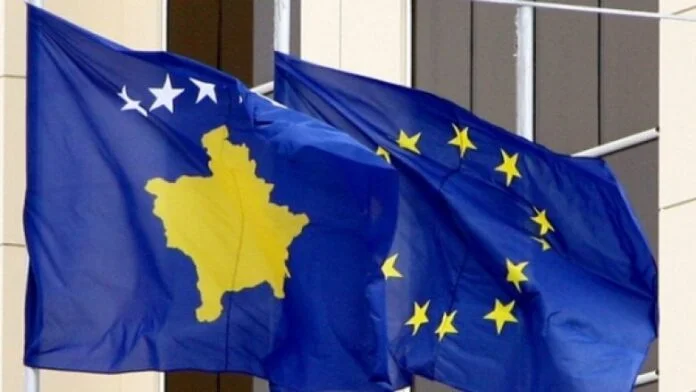
No one in the Western Balkans has much time to waste. And, at least there is Bosnia and Herzegovina”, says an EU diplomat, adding that only Kosovo from the Western Balkan countries is behind Bosnia and Herzegovina in the European integration process.
One obstacle to Kosovo is its non-recognition by five EU member states, while Bosnia has the obstacle only to the domestic political situation.
In all cases, EU sources say, “will not be allowed efforts to jeopardise unity, territorial integrity and sovereignty of Bosnia and Herzegovina”. Each solution to the crisis, according to EU sources, should take those parameters into account.
The European Union remembers that Bosnia and Herzegovina has serious problems even with rule of law and the fight against organised crime and corruption. According to sources in the bloc, interethnic problems have become an obstacle to resolving other problems. / REL