22 minutes ago
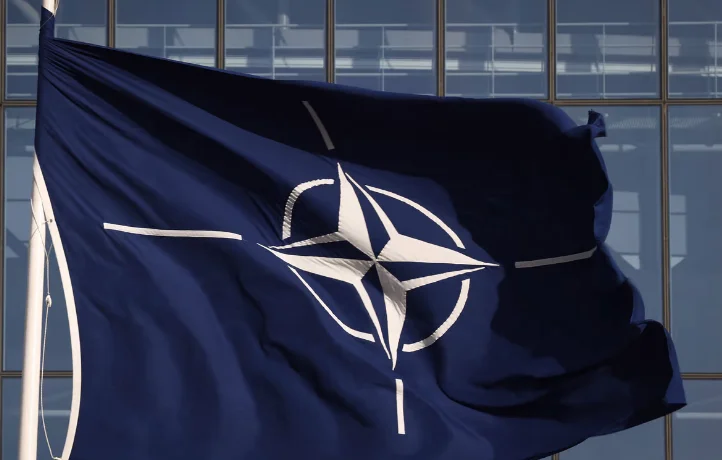
NATO preparing new plan
Periskopi(4 years ago)
(4 years ago)NATO aims today to tell its military commanders to draft plans for new ways to prevent Russia after the invasion of Ukraine from Moscow, including additional troops and missile defence in Eastern Europe, officials and diplomats said. Defence ministers will seek military advice at NATO headquarters slightly [...]
Defence ministers will seek military advice at NATO headquarters just over a week before the Allied leaders, including US President Joe Biden, gather in Brussels on 24 March.
The ministers will also hold talks with Ukrainian counterpart Olexey Reznikov, who is expected to seek more weapons from NATO individual countries as Russian attacks in Ukrainian cities continue and the Russian Army tries to impose control over Kiev.
“We must restore our military capabilities for this new reality,”, the secretary-general said on Tuesday NATO, Jens Stoltenberg. “Ministers will begin an important debate on concrete measures to strengthen our security in the long-term plan in all areas,” he told reporters.
While at least 10 of NATO's main allies, including the United States, Britain and France, have deployed more troops, ships and fighter aircraft on their east side and have put them on alert, the Alliance still has to consider how to handle the new security situation in Europe in the medium term.
Russian President Vladimir Putin put nuclear forces on high alert on 27 February. Russian missiles hit a Ukrainian base near the border with NATO member Poland on March 13th, bringing the invasion to NATO's threshold.
The missiles were from Russia, the United States said, stressing Moscow's ability to hit NATO's eastern allies. The United States has also warned of uncertain consequences for Moscow if Russia launches a chemical attack on Ukraine.
NATO, founded in 1949 to stem the Soviet Union's military threat, is not contracted to protect Ukraine, but must protect its 30 allies.
However, diplomats say NATO wants to avoid direct articulation of its plans or what would encourage their promise of collective protection in Article 5 by saying that “strategic inequity” is also an instrument of protection against Russian aggression.